Educational Toys: Montessori for Toddler Music, Movement
In Bengaluru, where life moves at a lightning pace, urban Indian parents are constantly seeking enriching activities for their little ones that go beyond screens and fleeting trends. The rise of phenomena like 'toddler raves' highlights a craving for movement and music, but also raises questions about appropriate stimulation. This is where Montessori educational toys step in, offering a profound yet simple approach to nurture a toddler's natural inclination for music, movement, and social interaction in a developmentally sound way.
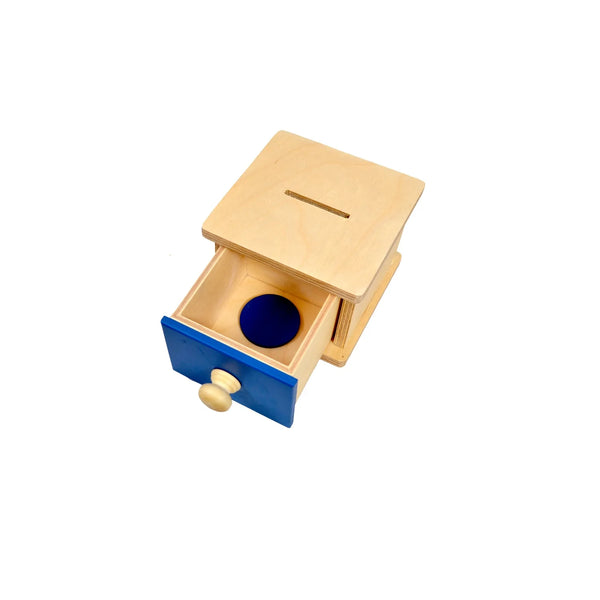
Montessori educational toys are purposefully designed, open-ended materials that facilitate a child's natural learning through self-directed exploration and discovery. This matters because active engagement with the environment builds concentration, coordination, and independence. Indian parents can effectively integrate these tools to create a rich 'prepared environment' at home, fostering holistic growth.
The Beat of Bengaluru: Montessori Music Toys for Toddlers
From the rhythmic beats of a traditional tabla to the lively tunes of a Bollywood song, music is deeply ingrained in Indian culture. For toddlers, music isn't just entertainment; it's a powerful tool for cognitive and emotional development. While 'toddler techno concerts' grab headlines, child development experts agree that gentle, purposeful musical experiences are far more beneficial. Research shows that early exposure to music enhances auditory discrimination, language skills, and even mathematical abilities.
Montessori music toys, unlike flashy electronic gadgets, are designed for sensory exploration. Simple wooden shakers, melodic bells, or a xylophone with a limited scale invite a child to discover sound, rhythm, and pitch at their own pace. Imagine a 2-year-old, Aanya, in her Bengaluru apartment, carefully striking a wooden tone block, her face alight with concentration as she hears the clear note resonate. This self-directed exploration builds a foundational understanding of music and encourages creative expression.
You can introduce simple percussion instruments or even household items like pots and pans for a DIY rhythm section. The key is to allow exploration without instruction, letting your child discover the sounds. Consider exploring Montessori musical instruments that are durable and designed for sensory learning.
Movement & Mindfulness: Montessori Physical Development in Small Spaces
Urban Indian parents often face the challenge of limited outdoor space. The discussion around 'rethinking toddler fitness' highlights the need for creative solutions. Montessori philosophy champions movement as vital for cognitive development, emphasizing that the hand is the instrument of the mind. Instead of high-energy, potentially overstimulating 'toddler rave alternatives,' Montessori offers structured ways for children to engage their gross motor skills and proprioception.
Toys like a low balance beam, a climbing arch, or a sturdy push cart are perfect for Montessori movement activities. These items encourage toddlers to climb, balance, push, and pull, refining their coordination and body awareness. For instance, a 18-month-old, Rohan, learning to walk along a narrow line on the floor, is not just moving; he's building concentration and problem-solving skills. Studies indicate that free, self-directed movement improves spatial awareness and physical confidence.
Even in a compact apartment, you can create a 'movement corner.' A simple wedge pillow for climbing, a low stool for stepping up and down, or even designated cushions for jumping can provide vital physical challenges. Maria Montessori herself observed that children have an innate drive to move, and providing appropriate outlets prevents restless energy and fosters a sense of accomplishment.
Building Little Communities: Montessori for Toddler Social Development
In the wake of discussions around trust and child safety, such as the Bengaluru daycare case, parents are more conscious than ever about their child's social environment. Montessori doesn't just focus on individual learning; it also cultivates 'grace and courtesy' – fundamental social skills. Rather than forcing sharing, it emphasizes respect for work and personal space, understanding that toddlers first need to understand 'mine' before they can truly grasp 'ours.'
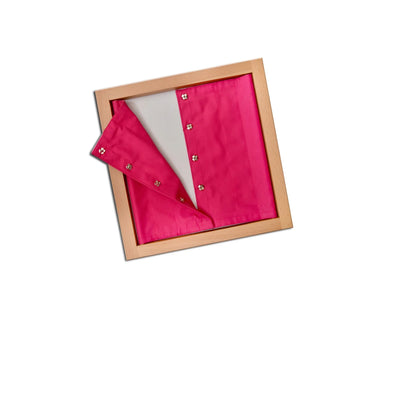
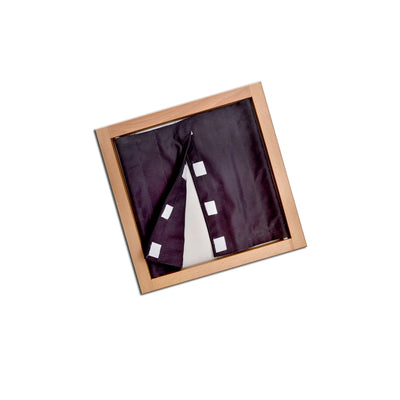
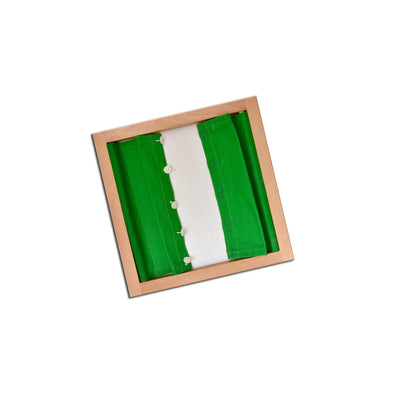
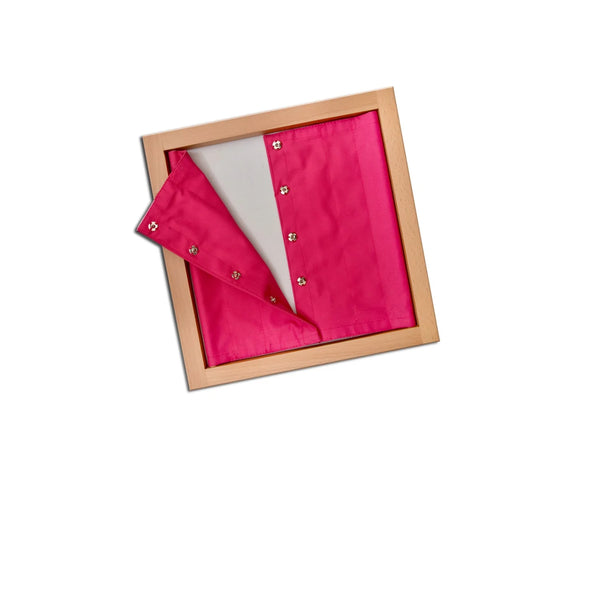
Montessori educational toys for toddler social development often include practical life materials like dressing frames, pouring activities, or sweeping sets. These activities, when done alongside others, naturally lead to parallel play, observation, and eventually, cooperative interaction. Picture a small playgroup in a Mumbai flat, where children take turns using a pouring jug, observing each other intently. This fosters patience, respect, and a sense of community. Grandparents in a joint family often excel at modeling these interactions, teaching kindness and gentle manners through their daily routines.
Encourage 'invitations to play' rather than forced interactions. For instance, set up two identical practical life activities so children can work side-by-side, or encourage them to help prepare a snack together. This gentle approach helps toddlers develop empathy and cooperation organically, laying a strong foundation for future social relationships within the vibrant tapestry of Indian society.
Beyond the Buzz: Why Montessori Matters for Urban Indian Parents
For parents juggling demanding careers and the responsibilities of family in cities like Bengaluru, finding meaningful ways to engage toddlers is paramount. Montessori educational toys provide a thoughtful counterpoint to the overstimulating world, offering a pathway to deep learning, self-regulation, and holistic development.
By investing in purposeful educational toys and creating a 'prepared environment,' you're not just buying playthings; you're investing in your child's innate potential. You're giving them the tools to develop their own rhythm, find their own balance, and learn to interact gracefully with the world around them, preparing them for a future where adaptability and intrinsic motivation are key.
- Montessori educational toys promote self-directed learning and holistic development in toddlers.
- Purposeful movement activities with Montessori materials enhance gross motor skills and coordination.
- Montessori music toys, like simple rhythm instruments, encourage auditory discrimination and self-expression.
- Social play in Montessori focuses on 'grace and courtesy,' fostering respect and independent interaction.
- These toys provide safe, engaging alternatives to high-stimulation modern toddler activities.
- Research indicates hands-on, multi-sensory play is vital for early brain development.
What kind of educational toys are best for toddlers?
The best educational toys for toddlers are open-ended, made from natural materials, and encourage self-directed exploration. Look for items that support sensory development, fine and gross motor skills, and problem-solving, rather than toys with excessive lights or sounds.
How do Montessori toys help with music development?
Montessori music toys, such as simple rhythm instruments and tone bells, help toddlers develop auditory discrimination, rhythm, and an appreciation for sound. They encourage active listening and self-expression without overwhelming stimulation, fostering a natural love for music.
Are Montessori movement activities suitable for small urban homes?
Yes, many Montessori movement activities are adaptable for small urban homes. Items like walking boards, small climbing structures, and balance beams can be incorporated into designated play areas, promoting gross motor skills and physical development even with limited space.
How do Montessori toys encourage social development in toddlers?
Montessori toys foster social development by encouraging parallel play, observation, and eventually cooperative activities centered around 'grace and courtesy.' Practical life materials, for instance, teach independence and respect for shared spaces, laying the foundation for meaningful social interactions.
What are alternatives to 'toddler raves' for urban Indian parents?
Montessori-inspired activities provide excellent alternatives to 'toddler raves' by offering structured, purposeful engagement with music and movement. Creating a 'prepared environment' at home with rhythm instruments and balance activities allows for joyful exploration without overstimulation, aligning with a toddler's developmental needs.