Educational Toys: Montessori Magic in Minutes for Busy Parents
Integrating high-quality educational toys is crucial for child development, and for busy Indian parents, it means finding efficient ways to nurture learning. Montessori principles offer a powerful framework for maximizing engagement even in minutes, by creating prepared environments and offering open-ended play that fosters independence.
As urban Indian parents, many of us are constantly juggling demanding careers, household responsibilities, and the joys (and challenges!) of raising children. The thought of adding another structured learning method might seem overwhelming. But what if we told you that Montessori magic can fit right into your busy schedule?
Montessori for busy parents is about integrating core principles of self-directed, hands-on learning into daily life efficiently. It matters because it empowers children to develop independence and critical thinking. Indian parents can achieve this by curating a thoughtful selection of educational toys and creating accessible learning spaces at home.
Child development experts agree that even short, focused periods of self-directed play with appropriate materials significantly contribute to a child's cognitive and emotional growth. This post offers practical, time-saving tips to weave Montessori learning into your daily rhythm, even when you're racing against the clock.
Curating Smart Educational Toys: Quality Over Quantity
When it comes to selecting educational toys, quality always triumphs over quantity. Research shows that fewer, high-quality, open-ended toys lead to deeper, more sustained play than an abundance of options. For busy Indian homes, where space might be a premium, this approach is not just a philosophy but a practical necessity.
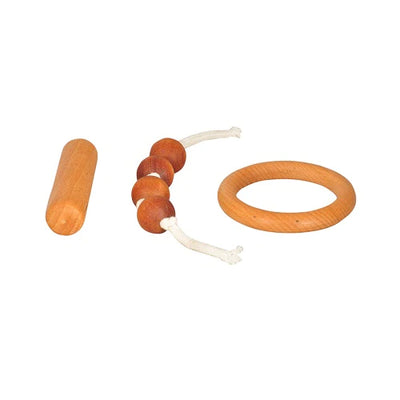
Focus on versatile Montessori materials that can be used in multiple ways, encouraging creativity and problem-solving. A simple Montessori sorting set, for instance, can be used for colour recognition, counting, and fine motor skill development across different age groups. These thoughtful choices ensure every minute of play is impactful.
Consider toys that align with practical life skills, an essential component of the Montessori method. These could be small brooms, pouring sets, or dressing frames, helping children develop independence by engaging in real-world tasks. Such items resonate well within the Indian family context, where children often observe and participate in daily household chores.
Setting Up Your Montessori-Inspired Home: The Prepared Environment
Maria Montessori emphasized the importance of a "prepared environment" – a space designed to foster a child's independence and exploration. For busy parents, this means making learning accessible and self-serve. Child development experts agree that a well-organized environment reduces decision fatigue and encourages independent choice in children.
Dedicate a small, accessible area for your child's educational toys, perhaps a low shelf in the living room or a corner of their bedroom. Keep materials neatly organized in trays or baskets, allowing your child to easily choose an activity and return it. This simple structure helps minimise clutter and maximises the potential for spontaneous, focused play.
In many Indian homes, with joint families or frequent visitors, creating a dedicated "child zone" might involve careful planning. Grandparents often enjoy being part of this setup, helping arrange books and activity kits on low shelves, making the space welcoming and functional for the little ones.
Quick Learning Activities for Toddlers & Preschoolers
You don't need hours for impactful learning; sometimes, just 10-15 minutes of focused activity can make a world of difference. These quick learning activities for toddlers are perfect for those short windows between errands, before dinner, or during a quiet afternoon at home.
For 18-24 months olds, a simple sorting activity using pulses (like dal or rajma) and small bowls can be incredibly engaging, developing fine motor skills and concentration. Older toddlers can practice with a simple wooden puzzle or stack blocks to create structures, fostering spatial reasoning.
Montessori materials like the Pink Tower for visual discrimination or Sandpaper Letters for pre-reading can be introduced for just a few minutes. The key is to present the activity clearly, allow the child to explore, and then gently guide them to put the materials away, reinforcing independence and order.
Making Time for Montessori: Practical Tips for Busy Indian Parents
Modern Indian parenting often means navigating the demands of work, family, and social commitments. Integrating Montessori for busy parents isn't about adding more to your plate, but about smart, time-saving educational toys and routines that seamlessly blend into daily life.
One effective strategy is "observation over intervention." Instead of constantly directing, observe your child's engagement with their learning toys. This allows for self-correction and deeper learning, and gives you a few precious minutes to tend to other tasks. Remember, children often learn best through uninterrupted exploration.
Another tip is to involve children in age-appropriate household chores, turning them into learning opportunities. Washing vegetables, setting the table, or even sweeping a small area with a child-sized broom all build practical life skills, responsibility, and fine motor coordination, directly aligning with Montessori principles. This approach helps parents multitask efficiently while nurturing their child's development.
Key Takeaways for Montessori in Minutes
- Montessori fosters independence and self-directed learning, vital for Indian children.
- Prioritize versatile, open-ended educational toys for maximum impact in minimal time.
- Create a "prepared environment" at home with accessible learning materials.
- Short, focused activities (10-15 minutes) significantly enhance concentration and skills.
- Integrate practical life skills into daily chores for holistic child development.
- Thoughtful toy selection saves time, resources, and boosts engagement.
What are the best educational toys for a 1-year-old for busy Indian parents?
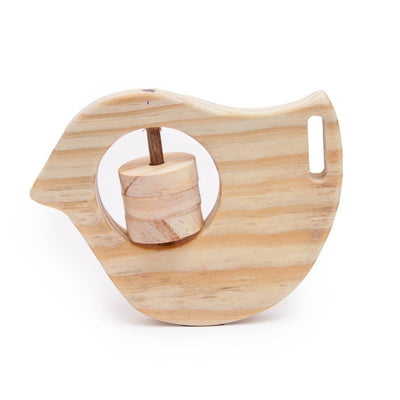
For a 1-year-old, focus on simple, open-ended educational toys like stackers, shape sorters, and texture baskets. These items encourage sensory exploration and fine motor skill development without needing extensive parental involvement for setup. They are excellent choices for busy Indian parents looking for foundational learning tools.
How can I introduce Montessori to my child without much time?
Introduce Montessori by starting small, perhaps with one carefully chosen educational toy and a designated "work" mat for focused activity. Encourage independent exploration for 10-15 minutes daily, allowing your child to lead the play. Consistency in these short bursts is more impactful than infrequent, long sessions.
Are expensive Montessori materials necessary for effective learning?
No, expensive Montessori materials are not always necessary for effective learning. The core philosophy emphasizes prepared environments and child-led exploration, which can be achieved with DIY materials, everyday household items, and thoughtfully selected affordable educational toys. The quality of engagement matters more than the cost of the material.
How do Montessori toys benefit a child's development in a joint family?
Montessori toys foster independence, concentration, and respect, qualities that are highly beneficial in a joint family setting. They encourage children to engage meaningfully with their environment and can provide calm, focused activity amidst the bustling energy of a larger family. This also allows different family members to observe and support the child's learning.
What are some quick learning activities for toddlers at home?
Quick learning activities for toddlers include sorting pulses or small toys into bowls, simple puzzles, stacking blocks, or water play with sponges. These activities develop practical life skills, fine motor coordination, and problem-solving, and can be easily set up and packed away in under 15 minutes.