Educational Travel for Toddlers: Montessori Adventures
The recent inspiring news of Indian-origin toddler Aarya aiming to be the youngest to visit all 63 US National Parks showcases the immense potential of educational travel for toddlers. This definitive statement confirms that family journeys, whether across continents or just to a nearby national park in India, are profound opportunities for growth. Research shows that exposing young children to diverse environments fosters curiosity and holistic development, transforming travel into a Montessori learning adventure rather than just a holiday.
Worried about keeping your little one engaged and learning during family travels, from a quick weekend getaway to a visit to Nani's house in another city? You're not alone. Modern Indian parents are constantly seeking ways to make every experience enriching, moving beyond just leisure to truly invest in their child’s holistic development.
What is Montessori Travel for Toddlers?
Montessori travel for toddlers is the intentional integration of learning opportunities into family journeys, aligning with Maria Montessori's principles of observation, independence, and sensory exploration. This matters because it transforms passive trips into active, child-led discoveries, fostering adaptability and a deep connection to the world around them. Indian parents can achieve this by planning purposeful activities and allowing their children to engage authentically with new environments.
Why Educational Travel for Toddlers is Crucial for Indian Families
Child development experts agree that children aged 18-36 months benefit immensely from sensory-rich experiences that challenge their perceptions and motor skills. Family travel, especially within India, provides an unparalleled classroom. It offers direct exposure to diverse languages, cuisines, traditions, and natural wonders, from the bustling markets of Bengaluru to the serene beaches of Goa.
These real-world encounters lay a strong foundation for future learning. Studies indicate that early exposure to diverse environments and cultures significantly boosts cognitive flexibility and problem-solving skills in young children. Rather than seeing travel as a break from learning, view it as an extension of the Montessori classroom, where every new sight, sound, and smell is a lesson waiting to be absorbed.
Practical Montessori Travel Activities for Kids on the Go
Transforming travel into a learning journey doesn't require elaborate plans. It's about mindful engagement and providing the right tools. Here are some Montessori-aligned approaches for successful travel with kids learning.
Engaging the Senses: Local Exploration
Every destination, even a visit to your ancestral village or a local park in Bengaluru, offers rich sensory input. Encourage your toddler to observe, touch (safely), and listen. A trip to a local vegetable market, for instance, allows them to identify colours, textures, and even practice early counting skills with fruits and vegetables.
Consider creating small, nature-based sensory bins after a walk in a garden or beach, using collected leaves, stones, or shells. Involve your child in simple practical life skills like packing their small backpack with a water bottle and a snack, or helping to choose their own meal from a menu. These seemingly small actions build independence and a sense of responsibility.
Structured Play & Learning with Travel Kits
While exploring is key, having structured, portable activities can be a lifesaver during travel downtime, especially for long train journeys or waiting at airports. Montessori travel activities for kids focus on concentration and fine motor skill development. Think small, self-contained items that can be easily cleaned and packed.
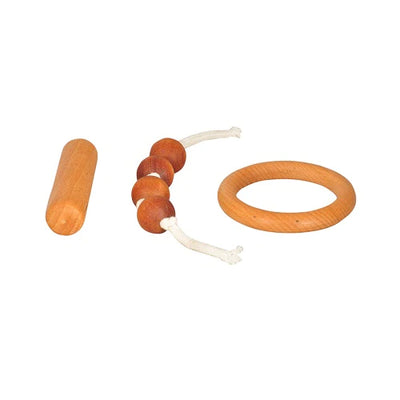
Consider investing in Montessori-inspired activity kits designed for portability. These often include sorting games, simple puzzles, lacing beads, or small building blocks that encourage problem-solving and focus. SkilloToys offers a range of Montessori learning materials that are perfect for keeping little hands and minds engaged without excessive screen time.
Embracing Local Culture and Traditions
An adventure with toddlers India means immersing them in its vibrant culture. Visiting local temples, historical sites, or even participating in a small community festival offers invaluable lessons in culture and respect. Talk about the colours, the sounds, the people. Encourage interactions, however brief, with locals (with parental supervision, of course).
Taste local foods, listen to traditional music, and observe local crafts. These experiences broaden their understanding of the world and their place within it, fostering a sense of belonging and cultural pride. This is far more impactful than any textbook lesson at this age.
Preparing for a Smooth Montessori Adventure with Toddlers India
Preparation is key to reducing stress and maximizing the learning potential of your trip. Involving your toddler in the planning process, even in small ways, can ignite their excitement and make them feel like an active participant, not just a passenger.
Before you leave, talk about where you're going, what you'll see, and what to expect. Pack a child-sized backpack with their chosen few toys, a water bottle, and healthy snacks. Maintaining a semblance of their home routine – especially for meals and sleep – can provide much-needed stability in new environments. While it's tempting to relax all rules, consistency in key areas can prevent the meltdowns that India Today noted parents sometimes struggle with in public.
Beyond the Destination: Nurturing Curiosity and Independence
Maria Montessori's philosophy emphasizes following the child, and this holds true during travel. Allow your toddler to lead some explorations, observe what catches their attention, and encourage them to ask questions. If they're fascinated by a street vendor's cart, take a moment to explore it together.
Offer opportunities for independence, such as letting them choose which path to take in a park or helping to carry a light bag. These choices build self-confidence and foster an intrinsic love for discovery. The journey itself, with its challenges and new experiences, becomes the ultimate lesson in adaptability and resilience.
Ultimately, transforming family travel into a Montessori learning adventure is about shifting your perspective. It’s about seeing every new place, every interaction, and every moment as an opportunity for your toddler to learn, grow, and connect with the incredible world around them. It's an investment in their holistic development, creating cherished memories and inquisitive minds.
- Educational travel for toddlers significantly boosts cognitive flexibility and problem-solving skills.
- Montessori travel focuses on sensory engagement, practical life skills, and cultural immersion.
- Portable, self-contained activity kits are ideal for keeping toddlers engaged during travel.
- Exposing children aged 18-36 months to diverse environments fosters curiosity and adaptability.
- Involving toddlers in trip planning and maintaining flexible routines promotes independence and comfort.
- Every destination within India offers rich learning opportunities through local culture, nature, and community interactions.
How can I make a family trip educational for my toddler?
You can make family trips educational by focusing on sensory experiences, involving your child in practical tasks, and engaging with local culture. Encourage observation, ask open-ended questions, and provide child-friendly learning materials suitable for travel.
What kind of Montessori activities are best for travel with kids?
For travel, Montessori activities should be compact, quiet, and engaging. Examples include sorting activities with small objects, lacing beads, pattern blocks, or simple puzzles. These promote fine motor skills and concentration without requiring much space.
Is it worth travelling with a toddler in India for educational benefits?
Yes, absolutely. Traveling within India offers immense educational benefits for toddlers, exposing them to diverse cultures, languages, cuisines, and natural landscapes. These experiences foster adaptability, curiosity, and a deeper understanding of their rich heritage.
How do I maintain my toddler's routine while travelling?
While it's challenging, maintaining a flexible routine is crucial. Try to stick to familiar meal and sleep times as much as possible, even if slightly adjusted. Bring familiar comfort items like a special blanket or book to create a sense of security.
What are the benefits of exposing toddlers to new environments?
Exposing toddlers to new environments broadens their worldview, enhances sensory development, and boosts cognitive flexibility. It encourages independence, adaptability, and problem-solving skills, preparing them for future learning experiences and building confidence.