Hindi Varnamala with Pictures: A Montessori Guide for Kids
Teaching hindi varnamala with pictures using Montessori principles offers a highly effective and engaging approach for Indian children, directly connecting them to their linguistic heritage. Child development experts agree that visual aids combined with hands-on activities significantly boost early language acquisition, making learning both fun and deeply rooted. This guide will walk you through creating a rich, culturally relevant environment for your child's early Hindi journey.
For many urban Indian parents, finding the balance between modern aspirations and cultural connection is key. As recent discussions highlight differences in parenting styles and the importance of well-rounded routines, integrating our mother tongue gracefully into a child's day becomes a priority. This approach makes learning feel like discovery, not a task.
What is Montessori Hindi Varnamala Learning?
Montessori Hindi Varnamala learning is a child-centred method that uses multisensory materials and self-directed exploration to introduce the Hindi alphabet. This matters because it fosters intrinsic motivation and deeper understanding, rather than rote memorization, which is often seen in traditional Indian schooling. Indian parents can implement this by providing engaging, structured activities at home that respect the child's natural pace.
This method focuses on tactile, visual, and auditory experiences, allowing children to build a strong foundation for reading and writing. Maria Montessori believed in following the child, providing them with the tools and environment to learn independently. This approach perfectly complements the modern Indian parenting philosophy of nurturing curious, capable learners.
Why Early Hindi Learning Matters for Indian Kids
Introducing children to their mother tongue, especially the hindi alphabet for children, at an early age provides numerous cognitive and cultural benefits. Research shows that children introduced to a second language before the age of seven often achieve higher proficiency and demonstrate enhanced problem-solving skills. For Indian families, it’s also about preserving a vital part of their identity and heritage.
Connecting with Hindi helps children communicate effortlessly with grandparents and relatives, deepening family bonds that are central to Indian culture. It fosters a sense of belonging and cultural pride, countering the increasing dominance of English in many urban homes. Early exposure ensures that our rich stories, songs, and traditions remain vibrant within the younger generation.
Montessori Principles for Effective Hindi Varnamala Learning
Applying Montessori principles to montessori language activities makes learning Hindi Varnamala an intuitive and joyful process. Start with concrete materials before moving to abstract concepts. For example, introduce sandpaper letters where children can trace the varnamala shapes, feeling their form, before simply seeing them on paper.
Child development experts agree that hands-on engagement is paramount for young learners. This method encourages self-correction, allowing children to discover errors independently rather than relying on constant adult intervention. This builds confidence and a love for learning, echoing the sentiments of 'good parenting' that values independence and exploration.
Fun Activities to Teach Hindi Varnamala with Pictures
Making hindi varnamala with pictures come alive involves creativity and play. Use flashcards featuring clear, vibrant images alongside each Hindi letter, ensuring the pictures are culturally relevant – like 'Aam' for 'अ' or 'I am' for 'इ'. Incorporate these into matching games, scavenger hunts around the house, or even storytelling sessions.
Another effective strategy is to create a 'Varnamala wall' where letters and their corresponding pictures are displayed at your child's eye level. This constant visual exposure, combined with activity kits designed for language learning, makes recognition almost effortless. You can also sing simple Hindi alphabet songs, associating sounds with actions and visuals, making the learning multi-sensory and memorable.
Choosing the Right Hindi Learning Toys for Kids
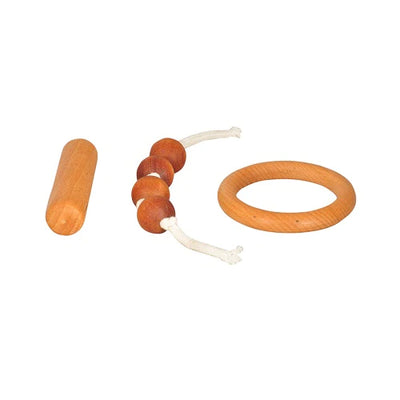
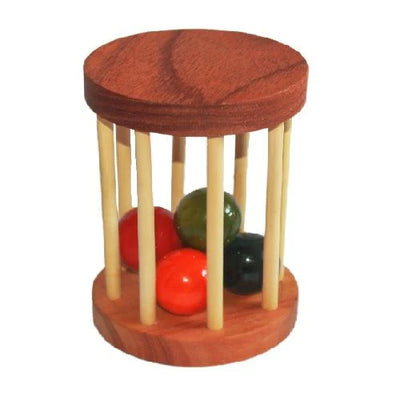
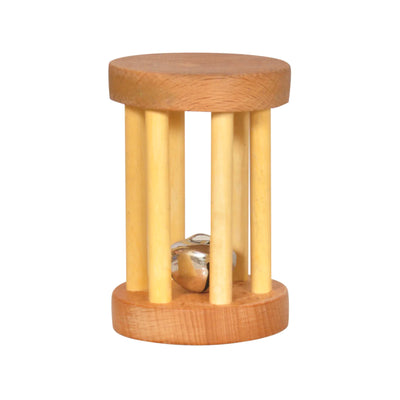
Selecting appropriate hindi learning toys is crucial for a successful Montessori journey. Look for wooden alphabet puzzles, Varnamala tracing boards, or matching cards that are durable and engaging. Toys that allow children to manipulate and interact with the letters physically enhance their understanding and retention.
SkilloToys.com offers a range of Montessori method learning materials that are perfect for early hindi learning. These aren't just toys; they are carefully designed tools that support a child's natural developmental stages. When choosing, prioritise quality, child-safe materials that encourage independent play and exploration, rather than passive consumption.
Making Hindi Learning a Part of Daily Indian Life
Integrate learn hindi for kids naturally into your daily routine. Label objects around your home in Hindi, using Varnamala charts. During meal times, name ingredients or dishes in Hindi. When visiting grandparents, encourage conversations solely in Hindi, making them active participants in the learning process.
Studies indicate that consistent, natural exposure in meaningful contexts significantly outperforms isolated lessons. For example, instead of a formal lesson, read a Hindi storybook together before bedtime, pointing out the letters and pictures. This consistent, low-pressure approach ensures that learning Hindi Varnamala becomes an organic and cherished part of your child's everyday life, reinforcing their cultural roots without feeling forced.
- Teaching Hindi Varnamala with pictures using Montessori methods is highly effective for early language acquisition in Indian children.
- Montessori learning fosters intrinsic motivation and deeper understanding through hands-on, multisensory experiences.
- Early exposure to Hindi enhances cognitive skills, strengthens cultural identity, and improves family communication for Indian kids.
- Using visual aids, such as picture flashcards and Varnamala charts, significantly aids letter recognition and retention.
- High-quality, child-safe Hindi learning toys and activity kits are essential for an engaging and independent learning process.
- Integrating Hindi naturally into daily routines and family interactions ensures consistent exposure and makes learning an organic experience.
At what age should I introduce Hindi Varnamala to my child?
You can introduce Hindi Varnamala as early as 18-24 months through exposure to sounds and simple pictures. Formal learning with Montessori materials typically begins around 3-4 years, aligning with their sensitive period for language.
Are visual aids like pictures truly effective for learning Hindi Varnamala?
Yes, visual aids are incredibly effective, especially for early language learners. Research shows that children learn best through multisensory experiences, and pairing letters with relatable pictures significantly aids recognition and retention.
How can I make Hindi Varnamala learning fun and not a chore for my child?
Make it a game, incorporate storytelling, and use hands-on Montessori materials like sandpaper letters or Varnamala puzzles. Connecting learning to daily life, songs, and family conversations in Hindi prevents it from feeling like academic pressure.
What are some common challenges Indian parents face when teaching Hindi Varnamala?
Common challenges include lack of engaging resources, time constraints for busy parents, and the temptation to resort to rote learning. Overcoming these involves choosing interactive methods and integrating learning naturally into routines, much like the balanced 'after-school routine' celebrated in recent parenting discussions.
Where can I find quality Montessori materials for teaching Hindi Varnamala?
SkilloToys.com offers a curated selection of Montessori-aligned language materials, including Hindi Varnamala resources and activity kits, specifically designed for Indian children. These resources support a hands-on, self-directed learning approach.