Montessori Discipline in Public: Beyond 'Indian Parenting'
The recent chatter about a child's behaviour on an IndiGo flight, sparking a wider 'Indian parenting style' debate, has many urban Indian parents feeling the heat. This incident highlights a critical pain point: how to manage public misbehavior while fostering respect and self-control in a way that truly benefits our children. Montessori discipline in public focuses on empowering children, not just controlling them, by understanding their developmental needs and guiding them towards independence and social responsibility. Child development experts agree that fostering intrinsic motivation for good behavior is more impactful than external pressure.
Witnessing a child throw a tantrum in a crowded Bengaluru mall or hearing complaints about a sibling's rough play during a family wedding can be mortifying. There's a constant tightrope walk between instilling traditional Indian values of respect for elders and property, and allowing children the freedom to explore. This guide offers a Montessori approach that integrates seamlessly into the modern Indian household, providing practical ways to navigate these challenges with grace and understanding.
What is Montessori Discipline in Public?
Montessori discipline in public is a proactive, child-centred approach that prepares children to navigate social environments with respect and self-control, rather than merely reacting to misbehavior. This matters because it builds a child's internal compass for appropriate actions, fostering genuine respect for others and their surroundings. Indian parents can implement this by focusing on preparation, explicit 'grace and courtesy' lessons, and creating supportive environments.
Understanding Child Misbehavior in Public: A Montessori Lens
When a child acts out in public, it's often not defiance but a communication of unmet needs or an exploration of boundaries. Maria Montessori observed that children have an innate drive for order, independence, and purposeful activity. When these needs aren't met—say, a 2-year-old Aarya is bored in a long queue at the doctor's clinic in Jayanagar, or a 4-year-old Rohan feels overwhelmed by the sensory input of a bustling market—misbehavior can emerge. Instead of immediately labelling it 'naughty', we can ask: what is the child trying to tell us? Research indicates that children often test boundaries to understand their world, a vital part of cognitive development.
For urban Indian parents, this is compounded by societal expectations. The collective eye of joint families, grandparents, and even strangers often means instant judgment when a child missteps. As The Times of India highlighted in a piece comparing Indian and US parenting, there's a distinct cultural emphasis on public presentation. This external pressure can lead to reactive parenting, focusing on immediate compliance rather than long-term character development.
Fostering Respect for Property & Public Etiquette for Children
Teaching respect for property kids starts not with stern warnings, but with modelling and providing opportunities for careful handling. In a Montessori environment, children learn to care for materials because they are beautiful, well-maintained, and used with purpose. This translates directly to public etiquette for children. Before heading to a relative's house or a community function, discuss how to gently handle things, return them, and respect others' space.
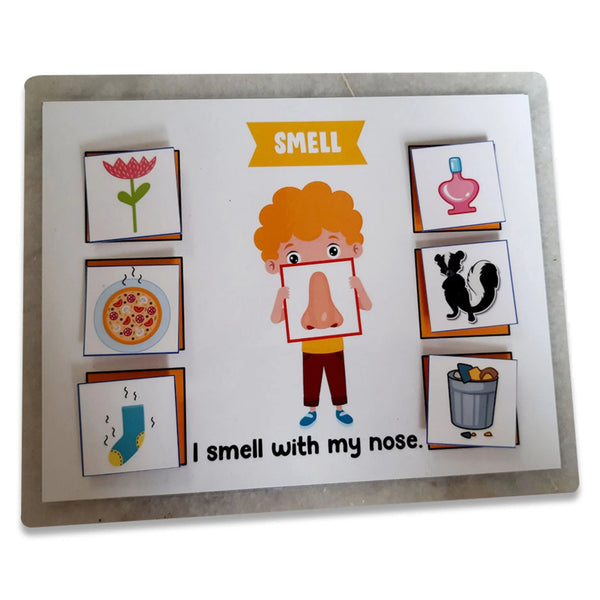
For instance, before a visit to a neighbour's home, you could say, 'Today we're going to Aunty's house. Remember, her books are special to her, so we look at them gently and put them back where we found them.' This explicit instruction, combined with modeling, is far more effective than a generic 'don't touch.' Engaging your child with a specific activity kit from SkilloToys.com can also keep their hands and minds purposefully occupied during wait times, preventing aimless wandering or touching.
The 'Indian Parenting Style' Debate & Montessori: A Balanced Approach
The ongoing 'Indian parenting style' debate often contrasts traditional, authority-driven discipline with more child-led, Western approaches. While traditional Indian parenting deeply values respect for elders and collective harmony, sometimes this manifests as suppressing a child's individual voice or autonomy. Montessori offers a powerful bridge. It champions respect for the child as an individual capable of self-direction, while simultaneously emphasizing 'grace and courtesy' – a deep, intrinsic respect for others, community, and the environment.
For example, instead of forcing a child to share a toy with a cousin they barely know, Montessori suggests observing when a child is ready to share, or providing duplicates. This nurtures genuine empathy rather than resentment. Studies show that forced sharing can actually delay the development of true generosity. This approach resonates with the nuanced reality of urban Indian families navigating both traditional values and global perspectives.
Montessori Self-Control Activities at Home: Preparing for Public Success
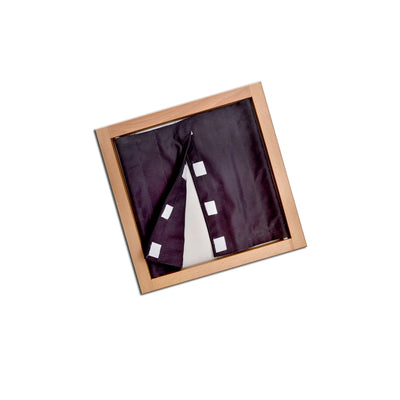
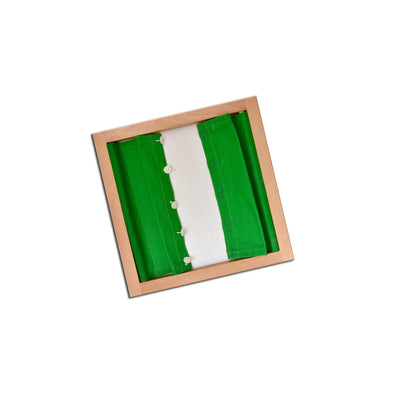
The foundation for respectful public behavior is built at home through consistent, purposeful activities. Maria Montessori believed that self-discipline is an internal quality developed through engaging work. Practical Life activities, such as pouring water, sweeping, or buttoning clothes, are excellent Montessori self-control activities. These simple tasks build concentration, coordination, and a sense of accomplishment, teaching children to complete cycles of activity and take care of their environment.
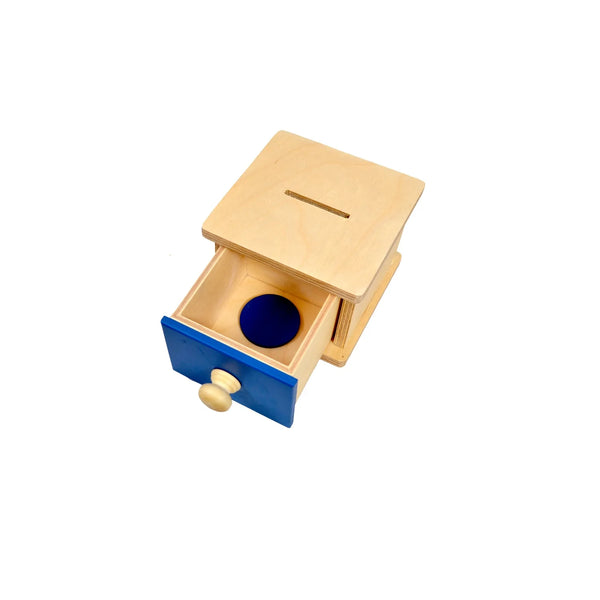
Imagine a 3-year-old completing a water pouring exercise without spills – this focused attention directly translates to the ability to sit calmly in an auto-rickshaw or wait patiently at the billing counter. Providing access to high-quality Montessori learning materials at home gives children the 'work' they crave, satisfying their developmental needs and reducing the likelihood of misbehavior stemming from boredom or a lack of purpose. When children are accustomed to a 'prepared environment' at home, they learn to seek and create order wherever they go.
Remember, true self-control isn't about immediate obedience, but about developing an internal sense of responsibility. As parents in a fast-paced city like Bengaluru, giving our children the tools to regulate themselves is the greatest gift we can offer, both for their well-being and our collective peace of mind.
- Montessori discipline focuses on proactive preparation and guiding children to develop internal self-control for public settings.
- Understanding the developmental reasons behind child misbehavior is crucial for effective, respectful intervention.
- Explicitly teaching 'grace and courtesy' helps children learn public etiquette and societal expectations.
- Providing purposeful, engaging activities, even when out, supports a child's need for order and focus.
- The Montessori approach offers a balanced perspective on the 'Indian parenting style' debate, valuing both individuality and community respect.
- Consistent practice of Practical Life activities at home significantly enhances a child's ability to self-regulate in public.
How does Montessori address public misbehavior?
Montessori addresses public misbehavior by focusing on preparation, explicit lessons in 'grace and courtesy,' and creating a supportive environment. It empowers children to make respectful choices by fostering internal self-control rather than relying solely on external rules or punishment.
What is the 'Indian parenting style' debate about?
The 'Indian parenting style' debate often centers on balancing traditional expectations of strict discipline and collective respect with modern ideas of individual expression and child-led learning. It highlights the tension between public perception and a child's developmental needs.
Can Montessori help my child respect property?
Yes, Montessori is highly effective in teaching respect for property. Children learn through hands-on engagement with materials designed for care, explicit lessons on handling objects gently, and observing adults who model respectful interactions with their environment.
What are some Montessori activities for self-control?
Montessori self-control activities include Practical Life exercises like pouring, transferring, and dressing, which build concentration and coordination. Sensorial activities also help children develop focus and an understanding of order, crucial for regulating their impulses.
How can I prepare my toddler for public outings?
Prepare your toddler for public outings by discussing expectations beforehand, role-playing scenarios, and offering limited choices to give them a sense of control. Bring along a small, engaging activity from home to help them stay focused and calm.