Montessori Play Space at Home India: Your Daily Guide
A Montessori play space at home in India is a thoughtfully arranged area designed to foster a child's independence, exploration, and natural learning through accessible, age-appropriate materials. Child development experts agree that a prepared environment significantly supports cognitive and motor skill development, making it easier for urban Indian parents to nurture their child's innate curiosity amidst busy schedules.
You know the drill: the constant juggle between work deadlines, family commitments, and that tiny voice asking, “What can I play?” In the vibrant, often bustling, Indian home, creating a dedicated space for calm, focused play might seem like another item on an already endless to-do list. But it’s simpler than you think, and the benefits for your child’s development are immense.
What is a Montessori Prepared Environment?
A Montessori prepared environment is a specially designed space that allows a child to explore, learn, and develop independently at their own pace. This matters because it cultivates self-reliance and concentration. Indian parents can adapt this concept to their homes by creating designated areas with accessible, purposeful learning materials.
Why a Montessori Play Space Matters for Urban Indian Kids
In our fast-paced cities, where indoor time might increase, especially during monsoon season as highlighted by recent news, a stimulating home environment is more crucial than ever. Research by the American Academy of Pediatrics highlights the critical role of self-directed play in developing executive function skills like problem-solving and self-control. For a 3-year-old in Bengaluru, this means building a tower of blocks independently, learning from its collapse, and trying again – skills that are foundational for future academic and life success.
While our loving grandparents might believe more toys equal more love, a Montessori approach suggests “less is more.” This isn't about deprivation; it's about respecting a child’s developing attention span and capacity for deep, focused work. A curated space, free from overwhelming clutter, actually invites deeper engagement and sparks true imagination, a non-obvious insight often missed.
Designing Your Montessori Play Space at Home India: Practical Steps
Creating an enriching environment doesn't require a large dedicated room. Even a corner in your living room or a section of the bedroom can be transformed. The key is intentionality and observing your child’s needs, much like a pediatrician observing developmental milestones.
Declutter and Simplify for Focus
Begin by decluttering. Remove anything broken, unused, or overly stimulating. Studies indicate that children in prepared environments demonstrate greater focus and a longer attention span compared to those in cluttered settings, a finding echoed in observations of preschool children across India. Think about what truly serves your child’s development, not just what fills space.
Accessibility is Key: Child-Height Shelves
The core of the “prepared environment” is allowing the child to choose their activities freely. This means materials should be on low, open shelves, easily reachable by your child. Imagine a 4-year-old girl in Mumbai proudly choosing her own activity, rather than asking for help to reach a toy. This fosters independence and self-confidence.
Curating Materials: Purposeful Play for Growing Minds
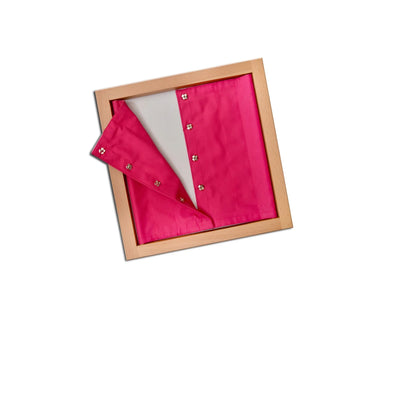
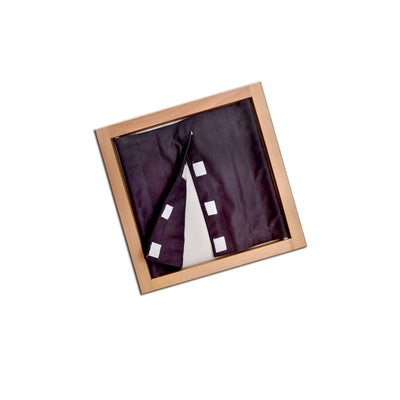
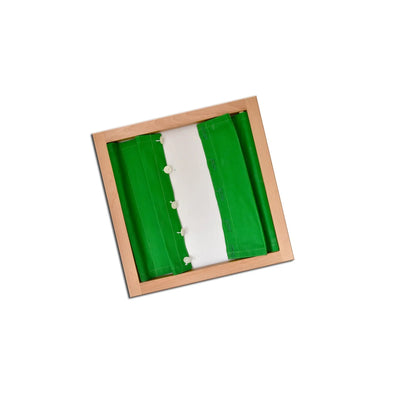
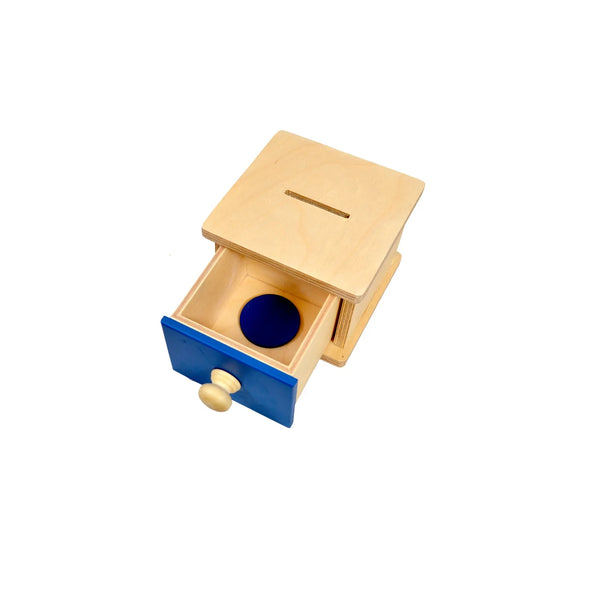
When selecting materials, prioritize quality over quantity. Look for items that encourage hands-on exploration, fine motor skills, and problem-solving. A well-chosen activity kit or a set of Montessori learning materials can be incredibly beneficial. For instance, “wooden puzzles for kids” are fantastic for developing spatial reasoning and persistence. If you’re looking for “toys for 4 year old boys”, consider practical life activities like pouring or scooping, which develop concentration and coordination.
A doll house for kids, for example, can be a wonderful addition, placed at a height where children can comfortably engage in imaginative play, developing social understanding and language skills through storytelling. The goal is to offer materials that are challenging enough to engage but not so difficult they cause frustration.
Order and Rotation: Keeping Things Fresh (Kids Room Organization India)
Maintaining order is vital. Each item should have a designated spot, making it easy for children to put things away independently. This is crucial for “kids room organization India” where space can be limited. Regularly rotating materials prevents boredom and keeps the environment fresh and engaging. If your child has stopped engaging with a particular set of blocks, swap it out with something new from storage, like a simple sorting game or an art tray. This helps them maintain interest and discover new challenges.
Natural Elements and Aesthetics
Incorporate natural elements like small plants, a basket of pebbles, or shells. Soft lighting and calming colours contribute to a peaceful atmosphere. This creates a serene space, a welcome contrast to the sensory overload of modern urban living. During colder months, when boosting immunity is a common parental concern, ensuring a clean, well-ventilated, and organized indoor play space becomes even more important for healthy development.
Integrating Montessori Principles into Daily Indian Family Life
Beyond the physical space, “Montessori at home tips” extend to fostering a child's independence in daily life. Encourage your child to participate in simple chores, like putting their own shoes away or helping to set the table. Even a 2-year-old can carry their small steel plate to the sink. This isn't just about help; it's about building a sense of responsibility and capability.
Grandparents and other family members play a significant role in Indian homes. Explain the “why” behind the Montessori approach – how it empowers children and helps them grow. Often, they will be delighted to see their grandchildren take initiative, perhaps even sharing stories from their own childhoods about self-reliance.
Creating a Montessori play space is a journey, not a destination. It's about observing your child, adapting the environment to their changing needs, and most importantly, trusting in their innate capacity to learn and grow. Start small, stay consistent, and watch your child flourish in their own prepared haven.