Preparing Child for Daycare: Montessori Trust & Talk
The recent 'Bengaluru daycare case' has understandably sent a ripple of anxiety through every urban Indian parent, raising critical questions about who we can truly trust with our children. While vetting facilities is crucial, actively preparing child for daycare from a child-centric Montessori perspective can significantly empower them. This approach focuses on building a child's trust and communication skills, giving them agency to navigate their new environment and express their experiences confidently.
For working Indian parents in cities like Bengaluru, juggling careers with family life, the decision to send a child to daycare is often a necessity. But beyond the practicalities, there's a deep desire for our children to feel safe, loved, and heard. This guide offers a Montessori-inspired path to achieving just that, transforming a potentially anxious transition into an opportunity for growth and empowerment.
What is Montessori Daycare Preparation?
Montessori daycare preparation focuses on empowering children with practical life skills and self-expression before starting daycare. This matters because a confident, independent child is better equipped to adapt to new environments and communicate their needs effectively, which is fundamental for their safety and well-being. Indian parents can integrate simple, age-appropriate Montessori activities at home to build this crucial foundation.
Building Trust Before They Go: A Montessori Foundation
Trust isn't just about the facility; it begins at home. Maria Montessori's philosophy emphasizes a "prepared environment" – a home where children can independently engage with their surroundings. When a child, like 2.5-year-old Aarya in a Bengaluru apartment, learns to pour her own water or put away her clothes, she gains a profound sense of competence. Research shows that fostering such independence builds self-esteem, which is critical for feeling secure in a new setting.
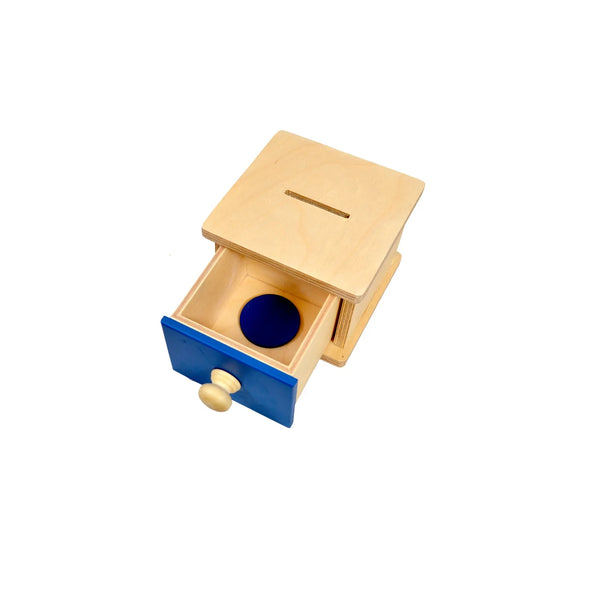
Practical life skills, such as dressing oneself, washing hands, or helping with simple chores, are the bedrock of Montessori readiness. These aren't just tasks; they're exercises in self-reliance that tell a child, "I can do this." This internal trust translates into confidence when facing new routines and people at daycare. Explore our range of Montessori method learning materials that support these essential skills.
Practicing Separation with Purpose
Before the big day, practice gentle separations. This isn't about sneaking away, but about building predictable routines. Start with short periods where a trusted family member, perhaps a grandparent, takes over care while you step out for an errand. Always say a warm goodbye and a definite "I'll be back," then follow through. Child development experts agree that consistent, honest goodbyes help children internalize that separation is temporary and you will return, laying the groundwork for trusting daycare working parents.
Fostering Child Communication Daycare-Ready Skills
One of the most powerful tools you can give your child for daycare safety is the ability to communicate their feelings and experiences. As highlighted by the Deccan Herald's discussions on developmental milestones, clear speech and expression are vital. Montessori encourages giving children a rich vocabulary, not just for objects but for emotions.
Instead of "Are you sad?" try "I see you're feeling frustrated because your blocks fell." Giving children words for their feelings empowers them to articulate what's happening. Teach them simple phrases like "I need help" or "I don't like that." Role-playing scenarios, like "What would you do if you needed a teacher?" helps them mentally prepare and practice these interactions.
The Power of Observation & Active Listening
When your child returns from daycare, resist the urge for a rapid-fire interrogation. Instead, create a calm, open space for sharing. "What was the most fun thing you did today?" or "Was there anything that made you feel a little sad or confused?" can be more effective than a generic "How was your day?" Observe their non-verbal cues – a hesitant gaze, a sudden clinginess – these are often the first signs of unexpressed feelings. Active listening means truly hearing and validating their responses, even if they seem minor.
Daycare Safety for Children: Empowering Through Agency
Beyond the facility's security, true daycare safety for children comes from their own empowerment. This involves teaching them body autonomy from a young age: "This is your body, and you get to decide who touches it." Equip them with phrases like "Stop! I don't like that" and assure them that if someone makes them uncomfortable, they must tell an adult they trust immediately, whether it's you, their Dadi, or their teacher. This non-obvious insight is crucial: a child who understands their own boundaries is better positioned to protect them.
Familiarise your child with the daycare's routine and introduce them to the names of their teachers. "Remember Miss Priya? She'll help you with your snack." This reduces anxiety and builds a sense of predictability. For instance, during the monsoons in cities like Bengaluru, teaching children to communicate if they feel cold or their clothes are wet is a simple yet vital safety skill, directly linking to the 'Monsoon Is Changing The Way Indian Parents Care For Their Babies' context.
Daily Check-ins: More Than Just "How Was Your Day?"
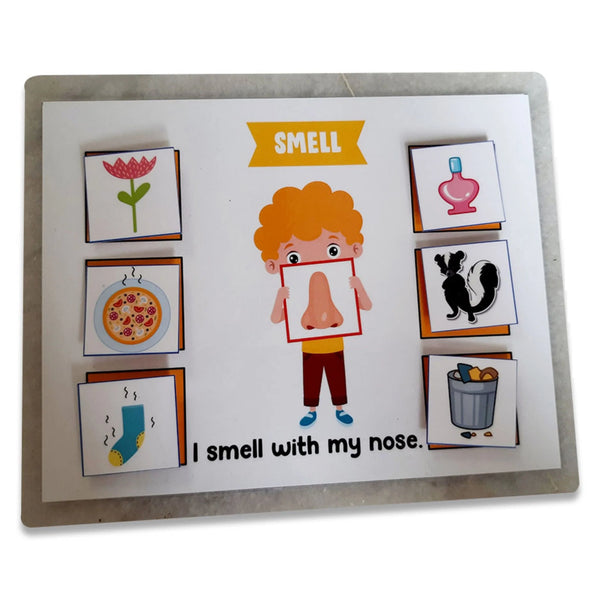
Make your post-daycare conversations an exploration. Instead of a quick "How was your day?" try specific, open-ended questions. "Tell me about a new friend you played with," or "What game did you enjoy the most today?" For younger children, using activity kits or drawing can be a fantastic way to prompt conversations about their day. They might draw a picture of their friend, or the slide, which opens up avenues for discussion. Always end by reinforcing that you're always there to listen, no matter what they want to share.
Empowering your child for daycare through Montessori principles is a profound investment in their well-being. By fostering independence, building strong communication skills, and teaching them about personal boundaries, you equip them with the confidence and tools to navigate new environments safely and expressively. This approach not only prepares them for daycare but also lays a lifelong foundation for self-advocacy and trusting their own voice, a truly invaluable gift for any child in urban India.