Raising Adventurous Toddlers: A Montessori Guide for Indian Parents
Inspired by the incredible journey of Indian-origin toddler Aarya, poised to become the youngest person to visit all US National Parks, many modern Indian parents are seeking ways to cultivate a spirit of adventure in their own children. Raising adventurous toddlers involves providing opportunities for safe exploration, fostering independence, and encouraging a deep curiosity about the world around them. Research shows that early exposure to diverse environments and experiences builds resilience, problem-solving skills, and a lifelong love for learning, crucial for children growing up in today's dynamic India.
Nurturing curiosity and adventure in toddlers means actively creating an environment where a child feels safe to explore, question, and discover independently. This matters because it lays the groundwork for critical thinking, adaptability, and emotional intelligence. Indian parents can achieve this by integrating Montessori principles into daily routines, focusing on child-led exploration both at home and in their local communities.
Fostering Exploration in Children: The Montessori Way at Home
Child development experts agree that children who are encouraged to explore their environment freely develop stronger cognitive abilities and a greater sense of self-efficacy. In an Indian home, this often means creating a 'prepared environment' that is safe, stimulating, and accessible for your little one. This allows them the freedom to move, choose activities, and learn independently, whether in a sprawling Bengaluru bungalow or a cozy apartment.
Maria Montessori's philosophy emphasises practical life activities, which are perfect for fostering exploration. Involve your toddler in simple, age-appropriate household chores like watering plants, helping to sort lentils, or tidying their own toys. These activities not only build fine motor skills and concentration but also instil a sense of contribution and responsibility within the family unit, a value deeply cherished in Indian culture. Consider introducing child-sized tools, dressing frames, or engaging activity kits that encourage fine motor development and self-care.
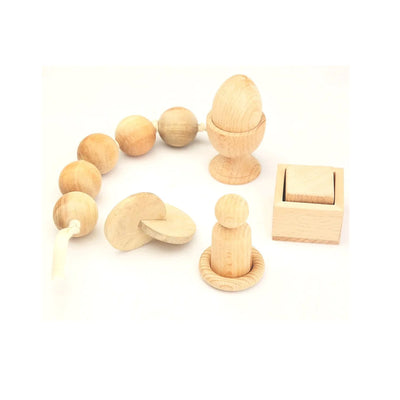
Creating this prepared environment means child-proofing safely, placing materials at their level, and offering choices that are both engaging and manageable. For instance, a low shelf with a few selected Montessori learning materials like a knobbed cylinder puzzle or stacking blocks invites exploration more effectively than an overflowing toy chest. This mindful approach respects their need for order and concentration, even amidst the bustling energy of a joint family.
Montessori Outdoor Activities India: Embracing Nature and Local Adventures
Studies indicate that regular engagement in outdoor play significantly enhances gross motor skills, reduces screen time, and boosts creativity. For Indian toddlers, this means leveraging the rich tapestry of our local environment. It's not just about exotic travel; it's about the wonder found in a neighbourhood park, a vibrant local market, or even a balcony garden.
Take your toddler to the local park and encourage them to feel the grass, observe the birds, or collect fallen leaves. A simple walk around the block can be an adventure, pointing out different colours of flowers, listening to street sounds, or greeting neighbours. These experiences, steeped in the sights and sounds of India, provide invaluable sensory input and cultural learning.
Consider simple nature walks in places like Bengaluru's Cubbon Park or a local temple garden, where they can connect with nature's elements. Even during festivals like Diwali, let them safely observe the colours, lights, and sounds, turning cultural experiences into hands-on learning opportunities. These everyday excursions are profound avenues for Montessori outdoor activities in India, sparking profound curiosity.
Travel with Toddlers Montessori Style: From Bengaluru to Beyond
While Aarya's record-breaking journey is inspiring, travel with toddlers Montessori style doesn't always mean globe-trotting. It's about preparing the child for the experience and making the journey itself part of the adventure, whether it's a short road trip to visit grandparents or a train ride across states. The focus shifts from merely reaching a destination to embracing the process of discovery.
Involve your child in the packing process – letting them choose a few beloved items for their travel bag. During the journey, provide simple, engaging activities like small puzzles or picture books. Talk about what you see outside the window, explaining new sights and sounds. This preparation and engagement help ease anxieties and transform travel into an enriching learning experience.
Maria Montessori herself observed that a child’s natural inclination is to learn through doing. Even visiting extended family in another city offers a chance to adapt to new environments, interact with different relatives, and experience new routines, all of which build adaptability and social skills essential for adventurous spirits.
Nurturing Curiosity in Kids: The Art of Observation and Freedom
Nurturing curiosity in kids is a delicate balance of providing freedom within limits and observing without interfering. Instead of constantly directing, step back and allow your toddler to grapple with a challenge, like figuring out how to open a container or stack blocks. Your presence as a supportive observer is often more powerful than immediate intervention.
This approach helps children develop problem-solving skills and self-reliance, traits that are vital for future exploration. Offer open-ended materials that can be used in multiple ways, rather than single-purpose toys. A set of wooden blocks, for instance, can be a tower, a car, or an imaginary house, fostering creativity and imagination.
Even when your child experiences frustration or a public tantrum, as is natural for toddlers, a Montessori-inspired approach encourages understanding the underlying need rather than just suppressing the behaviour. Respond with empathy and redirection, helping them navigate their emotions while still respecting their autonomy to explore and express. This builds resilience and self-regulation, qualities of truly adventurous spirits.
- Raising adventurous toddlers through Montessori principles cultivates resilience and problem-solving skills.
- A prepared home environment fosters independence and exploration by making activities accessible to children.
- Montessori outdoor activities in India utilise local parks, markets, and cultural events for sensory learning.
- Travel with toddlers, Montessori style, focuses on preparing the child and valuing the journey as a learning experience.
- Nurturing curiosity requires providing freedom within limits and observing children's independent discoveries.
- Integrating practical life skills into daily routines builds a sense of contribution and self-efficacy in young children.
Embracing these Montessori principles empowers your toddler to become a confident, curious, and truly adventurous individual. As urban Indian parents, you have the unique opportunity to blend time-honoured traditions with modern pedagogical approaches, creating a rich foundation for your child's journey of discovery. Start small, observe your child, and watch as their innate curiosity blossoms into a lifelong love for exploration.
How can I encourage my toddler to be adventurous without compromising safety?
Encourage safe exploration by preparing your environment, supervising closely without hovering, and teaching boundaries. Child-proofing your home and establishing safe outdoor spaces allows for freedom within limits.
What if I live in an apartment and have limited outdoor space for my toddler?
Even small spaces can foster adventure. Utilise balconies for sensory gardens, visit local parks, community gardens, or even a walk to the nearby market. Focus on sensory experiences and observation in any available space.
How does Montessori encourage exploration differently from traditional methods?
Montessori prioritises child-led exploration, hands-on learning, and a prepared environment over rote instruction. It respects the child's innate curiosity and allows them the freedom to discover at their own pace, fostering deeper understanding and independence.
Can grandparents or joint family members support a Montessori approach to adventure?
Absolutely. Involve family members by explaining the benefits of child-led play and respecting concentration. Grandparents can share traditional stories, nature walks, or involve children in household chores, all of which align with Montessori principles of practical life and cultural exploration.
How can I balance nurturing adventure with academic expectations in India?
Nurturing adventure and curiosity actually enhances academic readiness by building problem-solving skills, concentration, and a love for learning. Montessori advocates for holistic development where play and exploration are foundational to future academic success, not separate from it.