Screen Time for Kids India: Montessori Toddler Tips
A recent study from Kerala revealed that 89% of children under two years old are exposed to screens, highlighting a significant and growing concern about screen time for kids India. For urban Indian parents juggling careers and family, managing this digital deluge in toddlers can feel overwhelming. But what if we told you there's a gentle, effective way rooted in observation and respect for your child's natural development? Montessori offers exactly that: a framework to foster genuine engagement and learning, making screens less appealing.
Toddler screen exposure refers to children aged 1-3 years interacting with digital devices like phones, tablets, or TVs. This matters because the rapid, passive stimulation can impede brain development, language acquisition, and attention spans. Indian parents can actively replace passive screen time with hands-on, purposeful play.
The Silent Impact: How Screens Shape Young Minds
Research consistently shows the significant impact of screens on child development, particularly in the crucial early years. The American Academy of Pediatrics recommends zero screen time for children under 18-24 months, excluding video chats, because this period is vital for brain architecture formation. Excessive exposure can lead to delayed language development, reduced attention spans, and challenges with social-emotional regulation.
Think of little Aarya, a 2-year-old in Bengaluru, who can navigate YouTube better than she can stack a simple block tower. While it might seem convenient to pacify a fussy child with a phone during a long car ride or a family dinner, this quick fix comes at a cost. The passive nature of screens deprives children of the active, multi-sensory experiences essential for developing fine motor skills, problem-solving abilities, and even managing frustration – crucial life lessons that happen during hands-on play.
Montessori's Counter-Intuitive Approach: Beyond "No Screens"
The Montessori philosophy offers a powerful antidote to pervasive screen culture by not focusing solely on what to avoid, but on what to embrace. It's less about a strict "no screens" rule and more about cultivating a rich, engaging "prepared environment" that naturally makes screens less desirable. Maria Montessori observed that children have an innate drive for purposeful activity and learning; our role as parents is to provide the means for that drive to flourish.
Here's a non-obvious insight: when a screen-accustomed toddler seems bored without a device, it's not a failure; it's an invitation for their imagination to spark. Montessori encourages this "productive boredom," where the child, devoid of constant external digital stimulation, begins to engage with their immediate environment and inner world. This is where true creativity and self-direction begin to develop, transforming screen dependency into a preference for hands-on exploration.
Crafting a Screen-Free Haven: Practical Montessori Tips for Indian Homes
Creating a Montessori-inspired home doesn't require a large house or expensive gadgets. It's about thoughtful design and making purposeful activities accessible.
The Prepared Environment, Indian Style
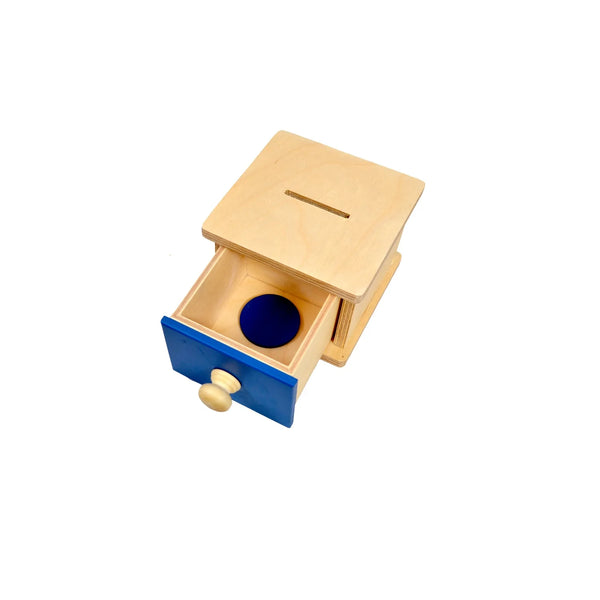
Your home, whether a spacious independent house or a cosy urban apartment, can become a learning playground. Designate a small, accessible shelf for educational toys like wooden puzzles, stacking blocks, or sorting trays. Rotate these materials regularly to maintain interest. Practical life activities, central to Montessori, are easily integrated into Indian routines: letting your child help wash vegetables for dinner, sort lentils, or sweep their play area with a child-sized broom. These activities, seemingly simple, build concentration, coordination, and independence.
Engaging Grandparents and Joint Families
In many Indian families, grandparents play a pivotal role. They can be wonderful allies in reducing toddler screen exposure. Instead of offering a phone to keep the child quiet, suggest they tell traditional stories (like Jataka tales or Panchatantra), sing rhymes, or engage in simple games like clapping or naming body parts. Provide them with engaging activity kits or sensory play ideas that align with Montessori principles. This fosters intergenerational bonding through meaningful interaction, not passive viewing.
Transitioning Away from Screens: The Gentle Weaning
Sudden screen removal can be jarring. Start with small, consistent changes. Instead of snatching the device, give a 5-minute warning ("Two more rhymes, then the phone sleeps"). Replace screen time with a planned activity: "After this episode, we'll build a tall tower with blocks." The key is to offer an equally, if not more, engaging alternative. Consistency and clear, calm communication help children understand and adapt to the new routine, reducing the "it's not cute when your child screams in public" scenarios by teaching them self-regulation in a prepared environment.
Educational Toys vs. Screens: Why Hands-On Wins Every Time
The debate between educational toys vs screens isn't just about what's more fun; it's about what promotes true development. Screens offer passive, two-dimensional interaction, often overstimulating with rapid cuts and bright colours. In contrast, Montessori-aligned materials engage all senses. A child building with a Pink Tower feels the weight of each block, sees the progression of sizes, and learns spatial reasoning through direct manipulation. This active engagement builds neural pathways that passive screen viewing simply cannot.
When a child is engrossed in an activity, whether it's pouring water between pitchers or threading large beads, they are developing focus, problem-solving skills, and fine motor control. These are the foundational skills for future academic success and overall cognitive resilience. These experiences are concrete and tangible, allowing the child to understand cause and effect in the real world, unlike the abstract, often ungrounded interactions on a digital device.
- Toddlers thrive on hands-on exploration, not passive screen consumption.
- Montessori emphasizes a 'prepared environment' over strict screen bans.
- Excessive screen time hinders brain development, attention, and language skills.
- Boredom, when supported, is a crucial catalyst for a child's imagination.
- Engaging grandparents in screen-free play strengthens family bonds and development.
- Montessori-aligned educational toys are powerful alternatives to digital devices.
What is considered excessive screen time for a toddler?
Child development experts, including the American Academy of Pediatrics, recommend zero screen time for children under 18-24 months, beyond video chats with family. For children 2-5 years, they suggest limiting screen use to 1 hour per day of high-quality programming, co-viewed with a parent.
How does Montessori help with screen time challenges?
Montessori addresses screen time by focusing on creating a rich, stimulating 'prepared environment' filled with purposeful, hands-on activities. This approach taps into a child's innate drive for exploration and learning, naturally reducing their reliance on passive screen entertainment by offering more engaging real-world alternatives.
Are all educational apps and games beneficial for toddlers?
No, not all educational apps are beneficial for toddlers. While some may claim educational value, research indicates that young children learn best through direct interaction with people and objects. Passive consumption, even of 'educational' content, often lacks the interactive depth needed for true developmental growth.
What can I do if my child throws a tantrum when screens are removed?
When screens are removed, tantrums can happen as toddlers navigate big emotions. Stay calm, acknowledge their feelings without giving in, and redirect their attention to an engaging, pre-prepared activity. Consistency and empathy are key to helping them adapt to new routines and find joy in screen-free play.
How can I involve grandparents in reducing screen time?
Involve grandparents by explaining the developmental benefits of hands-on play and suggesting specific activities they can do with your child. Offer them child-friendly activity kits or simple educational toys to use during their time together, encouraging traditional stories, songs, and outdoor play.