Screen Time for Toddlers India: Break the Bribe Trap
Breaking the 'screen bribe trap' for toddlers in India requires a mindful approach, focusing on rich, real-world alternatives and consistent boundaries. As the India Today article, 'The screen bribe trap: What parents are stealing from their toddlers,' highlights, urban Indian parents often resort to screens out of necessity, leading to unintended consequences for a child's developing mind. Implementing Montessori-aligned strategies can effectively reduce reliance on digital pacifiers and foster healthier habits.
Mindful screen time for toddlers in India means intentional, limited use of digital media for specific, educational purposes, always with active adult engagement, avoiding passive consumption or using screens as pacifiers. This matters because it safeguards healthy child development by prioritizing real-world interactions over digital ones. Indian parents can achieve this by prioritising interactive play over passive viewing, shifting from screen-as-default to screen-as-tool.
The "Screen Bribe Trap" in Urban India
The allure of a quiet moment or a completed chore often leads parents to offer screens as a reward, inadvertently setting a "screen bribe trap." This phenomenon is particularly acute for urban Indian parents juggling demanding careers, joint family dynamics, and limited living spaces. The instant gratification a screen provides seems like an easy fix for toddler tantrums or boredom, yet child development experts warn this creates a cycle of dependency.
Research shows that consistently using screens as a bribe can undermine a child's intrinsic motivation. Instead of developing a natural curiosity for learning or completing tasks, they learn to expect a digital reward. This pattern can lead to increased friction when screens are unavailable and reduce engagement with the world around them, making it harder to introduce activity kits or other hands-on learning.
Impact of Screen Time on Child Development
The impact of screen time on child development, especially for toddlers, is a significant concern globally, and in India. The American Academy of Pediatrics (AAP) recommends no screen time for children under 18-24 months, beyond video calls with family. For children aged 2-5, they advise limiting screen use to 1 hour per day of high-quality programming, co-viewed with a parent.
Excessive screen exposure in early childhood can hinder critical developmental milestones. Studies indicate potential delays in language acquisition, reduced attention spans, challenges in social-emotional skills, and disrupted sleep patterns. When a child's brain is wired for rapid-fire digital stimulation, it can struggle to find engaging activities in the slower, more nuanced real world.
Montessori Screen Time Rules: Prioritising Real-World Engagement
Maria Montessori's philosophy offers a powerful framework for addressing screen time by emphasising purposeful, hands-on learning within a "prepared environment." Rather than simply restricting screens, Montessori encourages filling a child's world with compelling alternatives that naturally draw their attention and foster concentration. This approach empowers children to choose meaningful activities over passive viewing.
Consider 2-year-old Rohan in a bustling Bengaluru apartment. Instead of handing him a tablet during dinner prep, his mother could offer him a basket of clothes pegs to clip onto a bowl or let him sort lentils with her. These simple "practical life" activities develop fine motor skills, concentration, and a sense of contribution – all key Montessori tenets that make screen time less appealing.
Creating a Prepared Environment: Alternatives to Screen Time for Kids
The core of reducing screen time lies in providing irresistible alternatives. A prepared environment at home means having easily accessible, age-appropriate materials that invite exploration and learning. This isn't about expensive toys; it's about thoughtful arrangement and presenting activities in an appealing way.
- Practical Life Activities: Involve your toddler in simple household tasks like wiping spills, dusting, or helping set the table. These activities build independence and coordination.
- Sensory Play: Offer bowls of dry rice, pasta, or chickpeas with scoops and cups. Water play with sponges and small containers is also incredibly engaging and calming for young children.
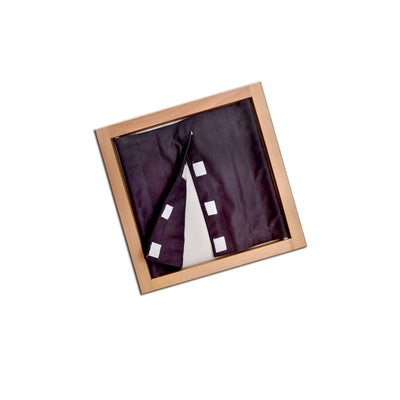
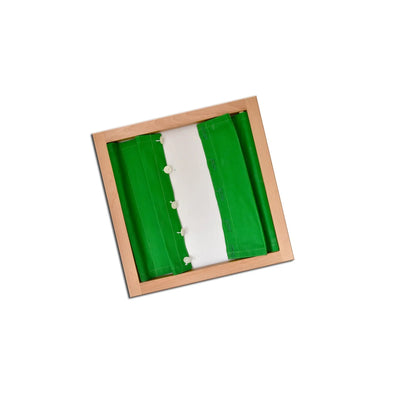
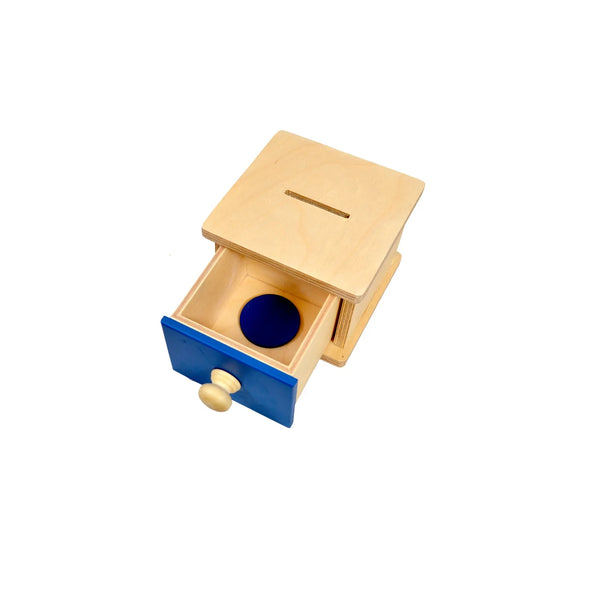
- Open-Ended Play Materials: Simple wooden blocks, puzzles, or art supplies allow for endless creativity and problem-solving. These materials don't "do" anything for the child; the child does everything with them, sparking imagination. Explore our full range of Montessori Method Learning Materials for inspiration.
- Outdoor Exploration: Even a short walk in the neighbourhood park, observing trees, leaves, and insects, offers rich sensory input that screens cannot replicate. This addresses the urban parent's challenge of limited outdoor space by making the most of what's available.
How to Reduce Screen Time for Kids: Practical Steps for Indian Families
Reducing screen time is a gradual process that involves the whole family, including grandparents, who often play a significant role in Indian households. Start with small, manageable changes that build consistent habits.
Set Clear Boundaries and "Screen-Free" Zones
Define specific times or areas as screen-free. Perhaps meals are always screen-free, or certain rooms like bedrooms are designated as digital-device-free zones. Communicate these rules clearly and consistently to everyone in the household. This clarity helps prevent confusion and arguments, especially when dealing with multiple caregivers.
Engage Actively When Screens Are On (If At All)
If you choose to allow very limited screen time for educational content, make it an active, shared experience. Sit with your child, talk about what they're seeing, and ask questions. This transforms passive viewing into an interactive learning opportunity. Remember, co-viewing and discussion are key to enhancing any potential educational value.
Introduce Educational Toys vs. Screen Time
This is where educational toys truly shine. They offer a tangible, interactive experience that develops skills screens cannot. A child stacking a pink tower or manipulating sandpaper letters is building real-world cognitive and fine motor abilities. The satisfying clunk of one wooden block landing on another or the focused silence during a puzzle completion offers deeper engagement than swiping on a tablet. The recent ‘toddler rave’ in India, while a unique experiment, highlights how urban parents are actively seeking novel, engaging, and stimulating experiences beyond typical screen consumption.
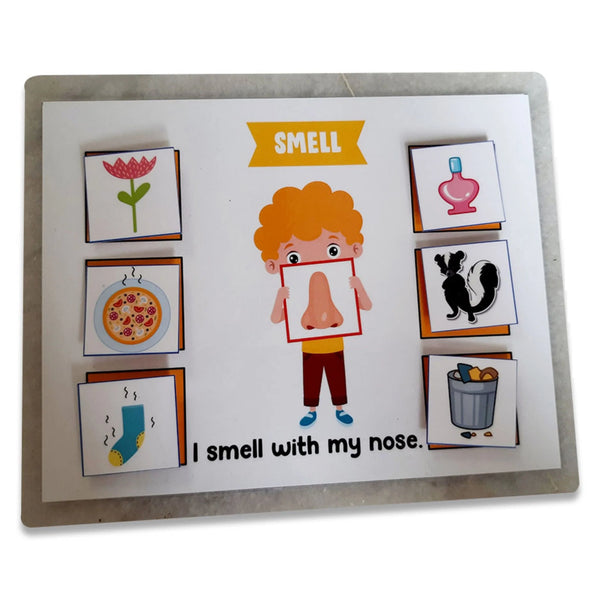
When 3-year-old Anya's family in Pune transitioned from tablet-based games to Montessori activity kits, her parents noticed a remarkable shift. Initially, she resisted, but with consistent encouragement and the availability of appealing materials, she soon found joy in building, sorting, and creating. Her vocabulary expanded, and her ability to concentrate improved dramatically.
The Takeaway: Empowering Children, Empowering Parents
Breaking the screen bribe trap isn't about deprivation; it's about enrichment. By embracing Montessori principles and offering stimulating, real-world alternatives, Indian parents can foster independent, engaged, and well-rounded children. It requires patience and consistency, but the long-term benefits for your child's development are invaluable.
Start today by observing your child's screen time triggers. Is it boredom? Hunger? Transition? Once you identify the trigger, you can proactively offer an engaging alternative from your prepared environment. This simple shift empowers both you and your child to choose connection and real learning over passive consumption, transforming your daily guide to modern Indian parenting.