Screen Time for Toddlers: Montessori Guide for Indians
To limit screen time for toddlers under two, Indian parents can effectively adopt a Montessori screen-free approach by creating a prepared home environment rich with hands-on, engaging activities. This method prioritizes natural exploration and sensory learning, offering a powerful alternative to digital exposure that supports holistic development. Recent Google News reports, like the alarming '89% children under age of two in Kerala exposed to screens', underscore the urgent need for such practical solutions, making SkilloToys.com your trusted resource.
A Montessori screen-free approach means intentionally avoiding digital media for young children, especially under two years old, to foster natural development through direct experience. This matters because extensive research shows early screen exposure can hinder language, attention, and social skills. Indian parents can implement this by offering age-appropriate, real-world materials and opportunities for self-directed play.
For modern Indian parents, navigating the digital age with a toddler can feel like a constant balancing act. From managing work-from-home demands to juggling joint family expectations and ensuring your child's healthy development, the temptation to use screens as a quick engagement tool is real. However, child development experts universally agree that the first two years are crucial for brain development, making a screen-free environment paramount.
Why Zero Screen Time Matters for Toddlers
Research shows that early and excessive screen time for toddlers, particularly those under 24 months, can have a profound impact on their cognitive and socio-emotional development. Studies indicate that it can impede the development of crucial skills like attention span, language acquisition, and problem-solving abilities. Unlike passive screen viewing, hands-on play with tangible objects stimulates multiple senses, building stronger neural connections vital for learning.
In the vibrant, often bustling Indian home, where toddlers are frequently surrounded by extended family and varied stimuli, it might seem easier to hand them a phone. However, this convenience comes at a cost. The American Academy of Pediatrics (AAP) and the World Health Organization (WHO) both strongly recommend zero screen time for children under 18-24 months, citing concerns over developmental delays, sleep problems, and even potential impacts on physical activity levels. Prioritizing real-world interaction ensures your little one builds foundational skills necessary for future learning, including readiness for formal schooling which starts early in India.
Montessori's Answer to Digital Detox for Kids
Maria Montessori's philosophy, developed over a century ago, provides a timeless and powerful framework for a digital detox for kids. It champions the "prepared environment," a space designed to invite exploration, independence, and concentration. For toddlers, this means a child-friendly home that offers freedom of movement and access to age-appropriate, real materials that engage their senses and intellect.
Instead of flashing lights and passive consumption, Montessori emphasizes purposeful activity. Think of your child stacking wooden blocks, sorting household items, or engaging in practical life activities like sweeping with a child-sized broom. These activities, often seen in Montessori schools in Bengaluru, are not just play; they are profound learning experiences that build fine motor skills, coordination, concentration, and a sense of accomplishment. This contrasts sharply with the often-observed 'cute' moments of children screaming in public due to overstimulation or lack of engaging alternatives, as highlighted by recent media discussions on Indian parenting styles.
Practical Screen-Free Activities for Toddlers
Creating a stimulating, screen-free environment doesn't require elaborate setups or expensive gadgets. It’s about thoughtful engagement with everyday objects and simple, effective Montessori activities for 2 year olds and younger. Here are some ideas for busy Indian parents:
- Sensory Bins with Indian Flair: Fill a small tub with rice, lentils, or even dry chana. Add spoons, small bowls, and safe kitchen tools for scooping and pouring. Supervised play with these materials offers immense sensory input and develops fine motor control.
- Practical Life Skills: Involve your toddler in simple household tasks. They can help wipe spills, put clothes in a laundry basket, or water plants. These activities foster independence and a sense of contribution, especially valuable in a joint family setting where children often observe elders working.
- Reading and Storytelling: Spend dedicated time reading physical books. Narrate stories about festivals, family events, or daily life. This builds language skills, imagination, and a strong parent-child bond. Grandparents are often wonderful storytellers and can be invaluable partners in this.
- Outdoor Exploration: Even a short walk in the park or balcony can be a treasure trove of sensory experiences. Point out leaves, flowers, birds, and sounds. This connects children to their natural environment and encourages gross motor development.
- Music and Movement: Play traditional Indian music or nursery rhymes and encourage dancing, clapping, and singing. This is a joyful way to develop rhythm, coordination, and auditory skills.
Consider incorporating high-quality activityKits from SkilloToys.com. These curated sets are designed to offer open-ended, hands-on learning, making them perfect for toddlers and aligning perfectly with a screen-free philosophy. They provide engaging alternatives to digital stimulation and support crucial developmental milestones.
Educational Toys for Screen-Free Play
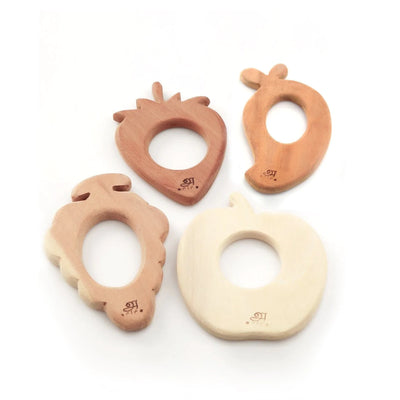
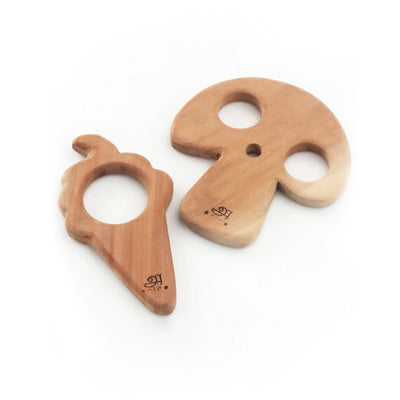
Choosing the right educational toys for screen-free play is fundamental to the Montessori approach. Focus on materials that are made from natural elements like wood or cloth, are open-ended, and allow the child to discover concepts independently. These aren't just toys; they are tools for development.
For toddlers under two, consider items like:
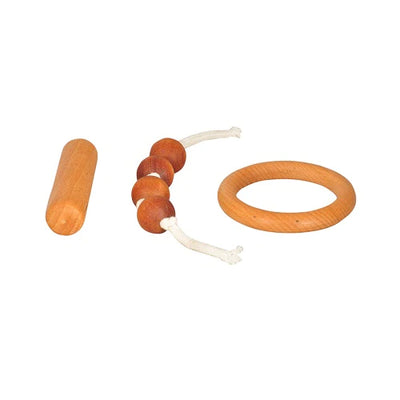
- Stacking and Nesting Toys: Wooden rings, cups, or boxes teach concepts of size, order, and spatial relationships.
- Puzzles: Simple knob puzzles with large pieces help develop fine motor skills and problem-solving.
- Shape Sorters: Introduce basic geometric shapes and logic.
- Cause-and-Effect Toys: Push-and-pull toys, or those with simple mechanisms, teach how actions lead to reactions.
- Blocks and Construction Sets: Encourage creativity, spatial reasoning, and early engineering skills.
These types of materials engage the child’s innate curiosity and provide concrete experiences that cannot be replicated by a screen. Explore the extensive range of Montessori Method Learning Materials at SkilloToys.com, all designed to foster independent learning and sensory exploration for your child’s critical developmental years.
Making the Transition to a Screen-Free Home
Transitioning away from screens, especially if they’ve become a habit, requires consistency and patience from parents. It's about slowly introducing new, engaging alternatives and setting clear boundaries. Remember, it’s about providing rich experiences, not just removing screens. Indian parents often find support from family, so communicate your intentions to grandparents and other caregivers, explaining the developmental benefits.
Instead of viewing a child's occasional frustration or 'vandalism' (like drawing on walls, as seen in viral incidents on flights) as naughtiness, Montessori encourages us to see it as an unmet need for engagement or expression. Offer appropriate outlets like art supplies or sensory activities. By creating an environment where a child feels respected and challenged, you empower them to choose meaningful activities over passive screen consumption.
- The first two years are a critical period for brain development, making a screen-free environment essential for toddlers.
- Montessori’s prepared environment offers a structured, hands-on approach to replace digital exposure with purposeful activities.
- Research indicates excessive screen time for toddlers can negatively impact attention, language, and social skills.
- Practical life activities, sensory bins, and outdoor exploration are effective screen-free alternatives for Indian homes.
- Choosing open-ended, natural educational toys fosters independence, concentration, and fine motor skills.
- Consistent boundaries and clear communication with family members are key to successfully reducing screen time.
What is the recommended screen time for toddlers under 2?
Child development experts and health organizations like the WHO strongly recommend zero screen time for toddlers under 18-24 months. This guideline aims to protect critical early brain development and encourage real-world interaction.
How does Montessori help reduce screen time for toddlers?
Montessori principles advocate for a "prepared environment" rich with age-appropriate, hands-on materials that naturally engage a toddler's senses and intellect. This approach offers compelling, self-directed alternatives to screens, fostering concentration and independence.
What are some easy screen-free activities for Indian toddlers?
Easy screen-free activities include playing with sensory bins (using rice or lentils), engaging in simple practical life tasks like sweeping, reading physical books, outdoor exploration, and dancing to music. These activities can be adapted to any Indian home setting.
Can screen time for toddlers really impact development?
Yes, studies consistently show that excessive screen time for toddlers can negatively impact crucial developmental areas such as language acquisition, attention span, problem-solving abilities, and socio-emotional skills. It replaces valuable hands-on learning experiences.
How can I involve grandparents in a screen-free approach for my toddler?
Communicate the developmental benefits of screen-free play to grandparents, emphasizing traditional play and storytelling. Encourage them to engage in practical life activities, outdoor time, and reading with your child, leveraging their wisdom and bond.