Toddler Fitness: A Montessori Guide for Indian Parents
Modern Indian parents are proactively seeking innovative ways to support their children's growth, and rethinking toddler fitness is a crucial part of this journey. Research consistently shows that fostering natural, self-directed physical activity in early childhood is fundamental for holistic development. Instead of structured workouts, a Montessori approach integrates movement seamlessly into daily life, empowering Gen Alpha children to build strong bodies and minds from an early age.
What is Montessori Physical Development?
Montessori physical development focuses on cultivating a child's natural drive to move and explore, seeing movement as integral to cognitive and emotional growth. This matters because it builds foundational gross and fine motor skills, coordination, and independence. Indian parents can create prepared environments that encourage free exploration and purposeful activity, turning everyday spaces into dynamic learning zones.
Gen Alpha Parenting Fitness in India: A New Perspective
The conversation around how Gen Alpha parents are rethinking fitness for their kids is gaining traction, as highlighted recently in The Indian Express. In India, with its blend of traditional values and rapidly modernising urban lifestyles, this shift is particularly significant. Many urban Indian parents, often juggling demanding careers and the responsibilities of parenthood, are looking beyond conventional ideas of exercise, understanding that a child’s physical well-being goes deeper than just organised sports.
The pressure to excel academically, sometimes observed even in toddlers, can inadvertently sideline the importance of free play and movement. However, the current generation of parents, often influenced by global parenting trends and their own experiences, recognises the need for a balanced approach. This new perspective acknowledges that children are not just miniature adults who need to be 'trained,' but rather individuals who learn and develop through intrinsic motivation and exploration.
While some discussions about Indian parenting styles, like those concerning public behaviour or screen time, sometimes focus on external control, the Montessori approach champions internal discipline through freedom of movement. It provides a gentle yet powerful alternative to simply telling a child to 'sit still,' by instead offering constructive outlets for their natural energy.
Montessori Physical Development: Building Foundations, Not Just Muscles
Maria Montessori, a pioneer in child education, firmly believed that movement is not just an adjunct to learning but an intrinsic part of it. She observed that children learn best through active engagement with their environment, developing both their bodies and minds simultaneously. For toddlers, especially those between 18-24 months and 2-4 years, this means providing ample opportunities for gross motor skill development – crawling, walking, running, climbing, balancing – and fine motor skill refinement, which prepares them for activities like writing and self-care.
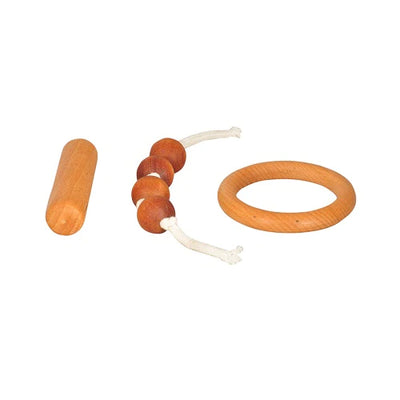
Studies indicate that children who engage in regular, self-directed physical activity demonstrate improved concentration, problem-solving skills, and emotional regulation. In a Montessori setting, materials like the activityKits, which might involve threading beads or transferring objects, are not just for mental exercise; they are meticulously designed to refine fine motor control, hand-eye coordination, and dexterity. Similarly, pushing a small trolley or carrying light objects fosters balance and strengthens core muscles, all within a purposeful context.
Child development experts agree that allowing children to master movements at their own pace builds confidence and a positive relationship with their bodies. This foundation ensures that physical activity becomes an enjoyable and natural part of their lives, rather than a chore imposed from outside.
Practical Kids Active Play Ideas for Indian Homes
Incorporating active play doesn't require elaborate setups or expensive memberships; it’s about creating an inviting environment within your home and community. Here are some Montessori-inspired ideas for kids active play, perfect for urban Indian families:
- Indoor Obstacle Courses: Use cushions, blankets, low stools, and cardboard boxes to create a safe course. Encourage crawling under, stepping over, climbing on, and balancing. This is especially useful for apartment living.
- Kitchen Helpers: Involve your toddler in age-appropriate kitchen tasks. Stirring batter (with supervision), washing plastic fruits, or helping to carry light, unbreakable items to the dining table are fantastic for developing coordination and strength.
- Balcony Gardens: If you have a balcony, let your child help water plants with a small watering can or pot some seeds. This engages them with nature and requires gentle, controlled movements.
- Traditional Games: Introduce simple games like ‘Langdi’ (hopscotch) on a balcony or ‘Chidiya Udd’ (bird fly) to encourage movement and quick reactions, often enjoyed with grandparents.
- Free Movement & Dance: Play some upbeat music – Bollywood, classical, or folk – and let your child move freely. This is a wonderful way to express themselves and burn energy.
- Park & Nature Walks: Take advantage of local parks. Encourage climbing on safe structures, running on grass, or collecting leaves and stones. These experiences connect them with nature and foster sensory exploration.
Rethinking Kids Fitness: Beyond Structured Workouts
The contemporary approach to “rethinking kids fitness” for toddlers moves away from the notion of rigorous, adult-led exercises. Instead, it advocates for unstructured, self-directed play that taps into a child’s innate curiosity and desire to move. For a toddler, chasing a ball in the living room, helping to arrange their Montessori materials on a shelf, or navigating a small set of stairs independently offers far more developmental benefit than a formal ‘toddler gym’ session.
Research shows that children allowed ample free play time develop better problem-solving skills, creativity, and resilience. This stands in contrast to approaches that might push children into competitive sports too early, which can sometimes lead to burnout or a negative association with physical activity. For Indian parents navigating the balance between traditional expectations and modern insights, prioritising play over performance is a liberating shift.
By fostering an environment where movement is natural and joyful, we empower our children to listen to their bodies, develop their physical capabilities, and build a lifelong love for being active. This Montessori philosophy is about nurturing the whole child, ensuring their physical growth supports their cognitive and emotional well-being, rather than being a separate, task-oriented pursuit.
- Montessori principles advocate for integrating movement directly into a child's daily learning and play.
- Self-directed physical activity is crucial for holistic development in Gen Alpha toddlers.
- Early childhood movement significantly improves concentration and problem-solving skills.
- Creating a ‘prepared environment’ at home fosters natural gross and fine motor skill development.
- Unstructured play, like exploring obstacle courses, is more beneficial than formal exercise for toddlers.
- Maria Montessori viewed movement as an intrinsic component of cognitive and emotional growth.
What is the ideal age to start focusing on toddler fitness?
Toddler fitness naturally begins from birth as children explore their environment. Formal 'workouts' are not necessary; instead, provide opportunities for free, self-directed movement from infancy, progressively increasing challenges as they grow.
How can I encourage active play in a small Indian apartment?
Create indoor obstacle courses using cushions, low stools, and blankets. Designate a safe 'movement zone,' incorporate dance to music, or involve your child in light household chores like sweeping or watering plants, transforming daily tasks into active play.
Are screens impacting my child's physical development?
Excessive screen time significantly reduces opportunities for crucial physical exploration and movement, which are vital for gross and fine motor skill development. Child development experts agree that limiting screen exposure supports better physical and cognitive growth in young children.
What is the difference between structured exercise and Montessori physical development?
Structured exercise typically involves adult-led activities with specific goals. Montessori physical development focuses on self-directed, purposeful movement within a prepared environment, allowing children to develop coordination, balance, and motor skills at their own pace and interest.
How do Montessori toys support physical fitness in toddlers?
Montessori materials are designed to engage children in purposeful activity that naturally builds motor skills. For example, stacking blocks enhances fine motor control, while pushing a practical life cart develops gross motor skills and balance, promoting holistic physical engagement.
Embracing a Montessori approach to toddler fitness allows Indian parents to nurture their Gen Alpha children's physical capabilities in a way that is respectful, natural, and profoundly effective. By valuing self-directed movement and creating rich environments for exploration, you're not just building strong bodies; you're cultivating independent, confident, and joyful learners for life. Explore the range of Montessori materials at SkilloToys.com to further support your child's holistic development journey.