Toddler Fitness India: A Montessori Play Guide
In India, modern parents are increasingly rethinking how their little ones stay active, with a growing interest in structured yet natural approaches to movement. Toddler fitness in India, when approached through a Montessori lens, focuses on fostering natural movement and purposeful activity, essential for holistic development from a young age. Research shows that early physical engagement significantly enhances cognitive and social skills in children, making fitness more than just physical exercise.
As Gen Alpha parents navigate busy urban lives and evolving parenting philosophies, the question isn't just 'how to keep kids active,' but 'how to nurture a lifelong love for movement.' This guide explores how the Montessori philosophy aligns perfectly with creating joyful, effective fitness habits for our energetic Indian toddlers.
What is Montessori Toddler Fitness?
Montessori Toddler Fitness is the intentional cultivation of a child's natural drive to move and explore, supporting their physical development through self-directed, purposeful activities within a prepared environment. This matters because it builds strength, coordination, and confidence, laying a robust foundation for future learning. Indian parents can implement this by observing their child's interests and offering safe, engaging opportunities for movement at home.
Why a Montessori Approach to Kids Exercise for Toddlers Works
The Montessori method views movement as integral to a child's learning process, not merely a separate activity. Maria Montessori observed that children learn by doing, and their bodies are their primary tools for exploration and understanding the world. This philosophy resonates deeply with the need for kids exercise for toddlers that feels natural and joyful.
Child development experts agree that unstructured play and purposeful movement are far more beneficial for toddlers than rigid exercise routines. In an Indian household, where joint families often provide varied environments and the concept of 'chores as learning' is ingrained, Montessori's emphasis on practical life activities naturally fits. This approach respects the child's developmental stage, allowing them to build strength, balance, and coordination at their own pace.
Beyond Just Running: Gross Motor Skills Activities India Loves
Gross motor skills are the foundation of physical development, involving the larger muscles of the body. In the Indian context, these can be wonderfully integrated into daily life. Think of toddlers helping carry light groceries from the local market, climbing safe, low steps at home, or helping water plants in the balcony garden.
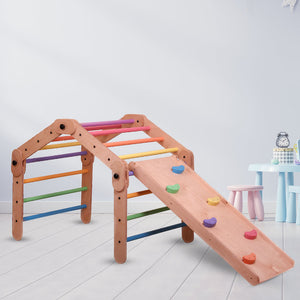
Activities that encourage climbing, balancing, pushing, pulling, and throwing are excellent. Providing simple, sturdy materials like blocks for stacking and knocking down, or a push trolley, can transform everyday play into significant developmental opportunities. SkilloToys offers a range of activity kits designed to stimulate these essential skills, making learning through movement fun and accessible for Indian homes.
Creating an Active Play for Indian Kids Environment
A 'prepared environment' is a cornerstone of Montessori, extending to physical development. This means creating a safe, stimulating space where toddlers have the freedom to move, explore, and interact with their surroundings independently. For active play for Indian kids, this could mean clearing a dedicated area in the living room or a courtyard, ensuring it's free from hazards.
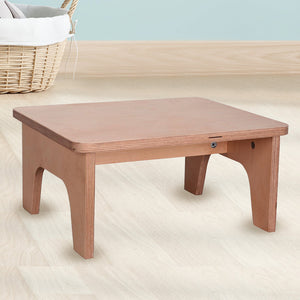
Studies indicate that children thrive when their environment allows for self-directed activity. For toddlers aged 18-24 months, this involves accessible, child-sized furniture, open shelves with engaging materials, and plenty of space for crawling, walking, and running. Consider child-friendly steps to reach shelves or a low table for drawing, promoting both independence and movement.
Everyday Movement: Integrating Fitness into Daily Indian Routines
Unlike Western trends focusing on specialized 'training' for toddlers, the Montessori way integrates physical activity seamlessly into daily life. For Indian parents, this means leveraging the rich tapestry of daily routines and cultural activities. Walking to the nearby temple, helping grandparents arrange flowers for puja, or even participating in the simpler aspects of festival preparations, all provide valuable movement opportunities.
Encourage your toddler to help with simple chores like putting away toys, sweeping a small area with a child-sized broom, or carrying their own small water bottle. These practical life activities build not just physical strength and coordination but also a sense of responsibility and belonging within the family. It's about movement with purpose, reflecting the Montessori principle of 'help me do it myself.'
SkilloToys' Role in Montessori Physical Development
SkilloToys is dedicated to providing materials that support a child's natural development, including their physical growth. Our Montessori learning materials are designed to engage toddlers in activities that naturally build gross motor skills, fine motor skills, and hand-eye coordination. For instance, our range includes push-and-pull toys that encourage walking and balance, building blocks that develop spatial awareness and strength, and practical life tools that refine movement control.
By investing in high-quality, age-appropriate Montessori method learning materials and toys, Indian parents can effectively create an enriching environment that fosters physical development. These tools are not just toys; they are instruments for purposeful activity that empower toddlers to explore their physical capabilities and develop confidence in their movements, all within the safety and familiarity of their home.
- Toddler fitness in India thrives with a Montessori approach focusing on natural, purposeful movement.
- Early physical engagement is crucial for enhancing cognitive and social development in young children.
- Montessori environments encourage self-directed gross motor activities, like climbing and balancing, crucial for coordination.
- Integrating movement into daily Indian routines and chores builds strength and a sense of responsibility.
- Formal 'training' programs are generally not necessary; unstructured, active play is more beneficial for toddlers.
- SkilloToys provides Montessori materials that support holistic physical development for active Indian kids.
What is the ideal daily physical activity for toddlers in India?
Child development experts recommend toddlers get at least 180 minutes of physical activity spread throughout the day, including vigorous play. This should be a mix of unstructured free play and guided gross motor activities, easily integrated into daily Indian routines.
How does Montessori support gross motor skills in toddlers?
Montessori environments are designed to encourage natural movement, offering freedom and appropriately challenging activities. Practical life exercises like pouring, sweeping, and carrying, alongside materials that promote climbing and balancing, directly support gross motor skill development.
Are 'training' programs necessary for toddler fitness?
Studies indicate that formal 'training' programs are generally not necessary or recommended for toddlers. Instead, focus on creating an environment rich in opportunities for natural, self-directed active play, which is more beneficial for their holistic physical and cognitive development.
How can urban Indian parents encourage active play in limited spaces?
Urban Indian parents can encourage active play by utilizing vertical space, creating designated movement zones, and integrating movement into daily chores. Simple activities like climbing low stools, dancing to music, and helping carry groceries can be effective.
What age is best to start focusing on physical development in toddlers?
Focusing on physical development begins from birth, with gross motor skills naturally evolving through infancy. For toddlers (1-3 years), it's crucial to provide constant opportunities for movement, exploration, and developing coordination through play and practical life activities.