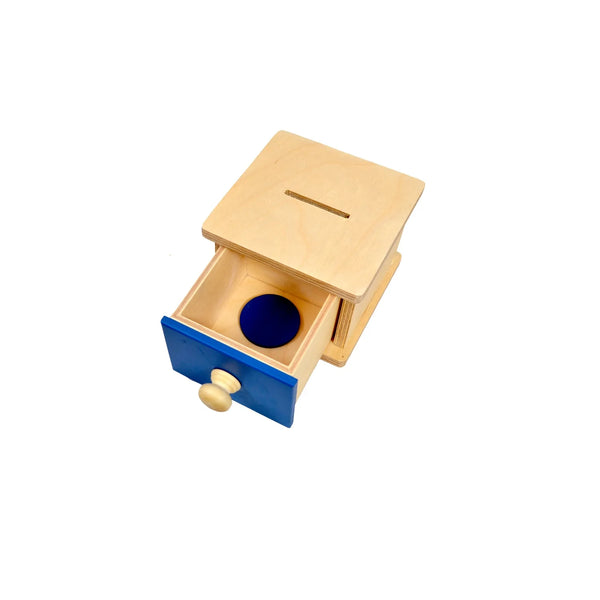
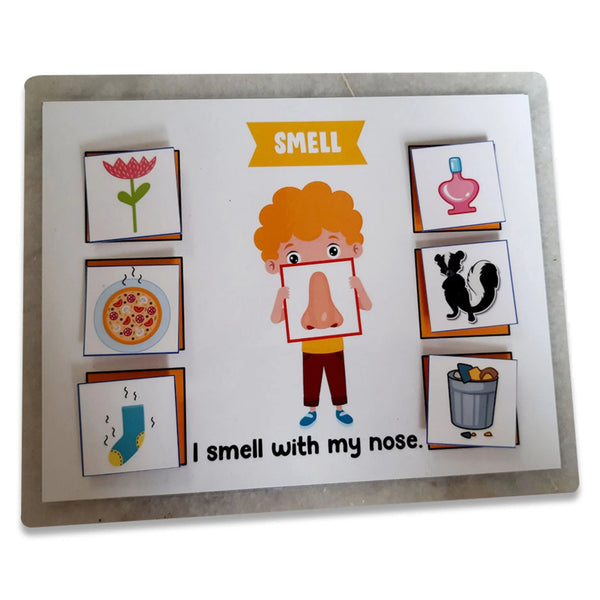
Wooden Puzzles for Kids: An Indian Parent's Guide
Wooden puzzles for kids are essential tools for early cognitive development, significantly enhancing problem-solving, fine motor skills, and concentration. Child development experts agree these tactile learning materials, especially beneficial in India's dynamic landscape, build strong foundations for independent thinking and academic success.
For modern Indian parents navigating the balance of career and family, finding effective, screen-free engagement for their little ones is a top priority. Montessori wooden puzzles from SkilloToys.com offer a brilliant solution, providing not just entertainment but a powerful pathway to unlocking your child's full potential.
What Are Montessori Wooden Puzzles?
Montessori wooden puzzles are educational tools designed on Dr. Maria Montessori's principles of self-correcting, hands-on learning. Made from natural wood, they feature simple designs that isolate concepts, allowing children to learn through independent exploration and repetition. This method empowers young Indian learners to discover solutions, fostering a deep sense of accomplishment.
This approach matters because it cultivates intrinsic motivation and a love for learning, which is invaluable for children growing up in India's competitive educational environment. Indian parents can integrate these puzzles to offer a calming, focused activity that builds critical skills without external pressure.
The Unmatched Benefits of Wooden Puzzles for Kids
The advantages of engaging with wooden puzzles for kids are profound and multi-faceted. Research shows that consistent interaction with puzzles dramatically improves a child's spatial reasoning, memory, and logical thinking from a young age. These are not just toys; they are developmental powerhouses.
Beyond cognitive gains, wooden puzzles significantly hone fine motor skills and hand-eye coordination. Picking up pieces, rotating them, and fitting them into their correct slots strengthens small hand muscles, preparing children for tasks like writing and self-care. This hands-on engagement offers a welcome break from the passive consumption of digital content, fostering active learning.
Studies indicate that children who regularly engage with puzzles develop greater patience and concentration, vital traits for navigating both academic challenges and everyday life. In busy Indian households, a child deeply engrossed in a puzzle offers a moment of calm and focused activity, beneficial for both parent and child.
Montessori Puzzles: Nurturing Independent Learning in India
Montessori puzzles stand out because they embody a philosophy that respects the child's innate drive to learn and explore independently. Unlike conventional puzzles that might offer more direct guidance, Montessori designs are inherently self-correcting, allowing the child to discover their own mistakes and find solutions. This process builds resilience and a strong sense of self-efficacy.
For urban Indian parents, this independent learning approach is a game-changer. It empowers children to become active participants in their own education, rather than passive recipients, a stark contrast to some traditional rote-learning methods. Dr. Maria Montessori's vision of 'help me to do it myself' truly resonates in today's dynamic Indian parenting landscape.
By providing children with purposeful Montessori puzzles, parents can foster a love for learning that extends beyond the classroom. It encourages them to think critically, experiment, and persist through challenges – skills that are highly valued in both global and Indian contexts. This is about nurturing thinkers, not just learners.
Choosing the Right Educational Puzzles India: Age-Appropriate Guidance
Selecting the appropriate educational puzzles India has to offer is crucial for maximising their developmental impact. For toddlers aged 12-24 months, simple knob puzzles or chunky shape sorters are ideal, focusing on basic shape recognition and grasping skills. These puzzles prevent frustration and build initial confidence.
As children grow, typically from 2 to 3 years, they can progress to puzzles with fewer, larger pieces depicting familiar objects or animals. Child development experts agree that introducing puzzles gradually, increasing complexity with age, keeps children engaged and challenged appropriately. Many of our activityKits include such progression.
For preschoolers aged 3-5 years, puzzles with more pieces, perhaps depicting scenes from Indian festivals or daily life, can enhance storytelling abilities alongside problem-solving. In a joint family setup, grandparents can play a wonderful role in guiding children through these puzzles, sharing stories and cultural insights, making learning a communal experience.
Integrating Puzzles into Daily Life: Beyond Screen Time
In our fast-paced lives, finding dedicated time for focused play can be challenging, but integrating puzzles into daily routines is simpler than it seems. Establishing a 'puzzle corner' in your home, perhaps in the living room or a child's bedroom, makes them easily accessible and encourages spontaneous engagement. This provides a positive alternative to reaching for a tablet.
Consider setting aside 15-20 minutes each day, maybe after school or during the evening chai break, specifically for puzzle time. This consistent routine helps children anticipate and look forward to the activity. It also offers a constructive outlet for energy and a calming activity before bedtime, potentially reducing those public outbursts often highlighted in current parenting discussions, by building internal regulation.
Modern Indian parents understand the importance of holistic development. Providing high-quality, engaging cognitive development toys like wooden puzzles ensures children are not just entertained but are actively building crucial life skills. These activities foster patience, focus, and a sense of calm, invaluable attributes in a bustling world.
- Wooden puzzles boost problem-solving and fine motor skills in kids.
- Montessori puzzles promote independent learning and self-correction.
- Age-appropriate puzzles are crucial for optimal child development.
- Puzzles offer a valuable screen-free engagement alternative.
- Studies show puzzles enhance spatial reasoning and concentration.
- Integrating puzzles into daily routines fosters holistic development.
What age are wooden puzzles suitable for?
Wooden puzzles are suitable for children as young as 12-18 months with simple knob puzzles, progressing to more complex designs for toddlers and preschoolers up to 5-6 years. The key is to select puzzles that match the child's developmental stage to ensure engagement and learning.
How do wooden puzzles help cognitive development?
Wooden puzzles significantly aid cognitive development by enhancing problem-solving abilities, spatial reasoning, and memory recall. Children learn to analyze shapes, identify patterns, and strategize solutions, which are fundamental skills for critical thinking and academic readiness.
Are Montessori puzzles different from regular puzzles?
Yes, Montessori puzzles are distinct as they are designed with specific educational objectives, often isolating a single concept like shape or size for focused learning. They are self-correcting, meaning children can discover errors independently, fostering a deeper understanding and sense of achievement without external judgment.
How do I choose a good quality wooden puzzle in India?
To choose a good quality wooden puzzle in India, look for reputable brands that use non-toxic paints and sustainable wood. Ensure the pieces are sturdy, smooth, and appropriately sized for your child's age to prevent choking hazards and ensure durability for long-term use.
Can puzzles help with screen time reduction?
Absolutely. Puzzles provide a captivating, hands-on alternative to digital screens, offering engaging mental stimulation that can help reduce a child's reliance on devices. Integrating puzzles into daily routines offers a constructive way to fill free time and foster focused play.
What are the benefits of wooden puzzles for toddlers?
For toddlers, wooden puzzles offer immense benefits including the development of fine motor skills, hand-eye coordination, and shape recognition. They also build patience, concentration, and a sense of accomplishment, laying crucial groundwork for more complex learning tasks ahead.