Wooden Puzzles for Kids: Brain Boost & Montessori Skills
In the bustling lives of urban Indian parents, finding engaging and purposeful activities for our children can be a real juggle. Research shows that engaging with wooden puzzles for kids significantly boosts brain development by enhancing problem-solving, fine motor skills, and spatial reasoning. These Montessori-aligned tools encourage concentration and independent learning, crucial for Indian children navigating early childhood and preparing for school challenges.
It's a definitive statement: wooden puzzles are not just toys; they are powerful developmental tools. Just as parents are fiercely advocating for their children's future, choosing purposeful play like puzzles is an everyday act of empowerment for their cognitive journey. They provide a calm, focused engagement that many parents seek, a welcome break from the digital screens or the occasional public meltdown that can challenge any parent's patience.
What are Wooden Puzzles?
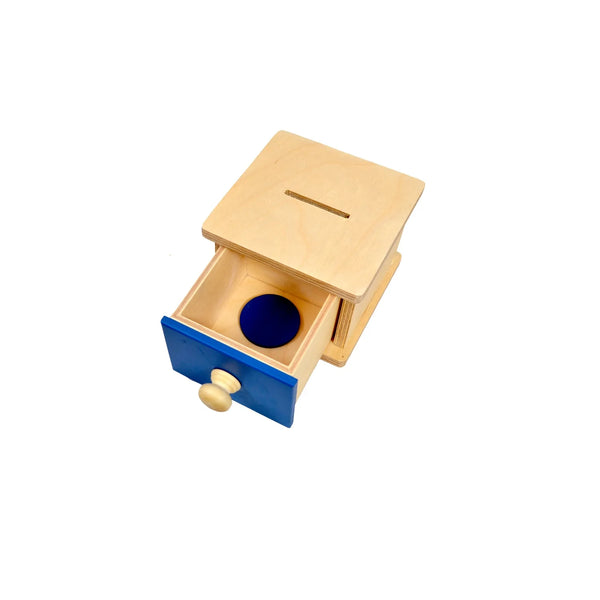
Wooden puzzles are educational toys crafted from wood, designed with interlocking pieces that form a complete image or shape. This matters because they offer a tactile, durable, and sustainable alternative to plastic toys, providing rich sensory input crucial for development. Indian parents can easily integrate these into their child's daily routine for quiet, focused learning.
Why Montessori Wooden Puzzles are a Game-Changer for Indian Kids
The philosophy of Maria Montessori emphasizes self-directed activity, hands-on learning, and collaborative play, and Montessori wooden puzzles are built on these very principles. Unlike rote learning methods often prevalent in traditional systems, these puzzles encourage exploration and intrinsic motivation. For urban Indian parents navigating competitive educational landscapes, Montessori wooden puzzles offer a refreshing approach to foundational learning, preparing children for school readiness with joy.
Studies indicate that children exposed to Montessori materials often demonstrate superior problem-solving skills and concentration. This focus on practical life skills and sensory exploration ensures that learning is not just theoretical but deeply embedded through experience. It's about building a strong mental framework from an early age, much like our grandparents often recall simpler, screen-free playtime leading to deep engagement.
Boosting Brainpower: Puzzles for Brain Development
Engaging with puzzles is a direct workout for a child's brain, particularly enhancing their spatial reasoning and logical thinking. When a child attempts to fit a piece into its correct slot, they are actively analyzing shapes, sizes, and orientations – fundamental skills for mathematics and science later on. This active engagement strengthens neural connections and improves memory retention.
Research published in the journal Child Development highlights that regular puzzle play improves children's spatial reasoning abilities, which are strong predictors of later STEM (Science, Technology, Engineering, Math) success. For Indian children, often under academic pressure from a young age, these activities provide a playful yet potent boost to their cognitive faculties, making complex ideas more accessible.
Fine Motor Skills Toys: The Grasp of Genius
One of the most immediate and visible benefits of playing with wooden puzzles is the significant development of fine motor skills. The act of picking up, rotating, and placing puzzle pieces requires precise control of small hand and finger muscles. This repeated action refines the pincer grip, crucial for tasks like holding a pencil, buttoning clothes, and self-feeding.
These essential fine motor skills toys are not just about dexterity; they also sharpen hand-eye coordination. Children learn to visually guide their hands to perform a specific task, a foundational skill for everything from writing to playing sports. SkilloToys' range of puzzles are designed to incrementally challenge and improve these vital developmental milestones.
Cultivating Resilience: Problem-Solving Puzzles
Every misplaced puzzle piece presents a small challenge, and every correctly placed one offers a rewarding solution. This cycle is invaluable for nurturing problem-solving skills and resilience in young minds. Children learn through trial and error, developing patience and persistence as they work towards a goal, rather than giving up at the first hurdle.
In a world of instant gratification, offering problem-solving puzzles teaches children the value of sustained effort. This ability to strategize and persevere through difficulty is a critical life skill that extends far beyond the playroom, helping them tackle academic challenges and everyday obstacles with greater confidence and determination.
Choosing the Right Educational Puzzles for Your Child in India
Selecting the right educational puzzles India for your child involves considering age-appropriateness, the quality of materials, and the learning objectives. For toddlers (1-2 years), simple knob puzzles or shape sorters are ideal. As children grow (3-5 years), introduce puzzles with more pieces, themes, and even alphabet or number integration to align with early schooling concepts.
Always opt for puzzles made from high-quality, non-toxic wood, ensuring durability and safety. SkilloToys offers a curated selection of wooden puzzles that are not only engaging but also align perfectly with Montessori principles and developmental milestones. Look for designs that reflect Indian culture and themes, making learning even more relatable and exciting for your child.
At what age should Indian children start playing with wooden puzzles?
Children in India can typically start with simple wooden knob puzzles around 12-18 months of age, progressing to more complex jigsaw puzzles by 3-4 years. It's crucial to introduce age-appropriate puzzles to ensure engagement and prevent frustration, fostering a love for learning.
How do wooden puzzles improve fine motor skills?
Wooden puzzles inherently require children to grasp, manipulate, and place pieces precisely, directly refining their pincer grip and hand-eye coordination. This repetitive action strengthens small hand muscles, essential for tasks like writing and self-feeding later on.
Are wooden puzzles better than plastic puzzles for brain development?
Child development experts generally agree that wooden puzzles offer superior sensory feedback and durability compared to plastic alternatives. The natural texture and weight of wood provide a richer tactile experience, which is beneficial for sensory integration and cognitive processing in young brains.
What are the specific Montessori benefits of wooden puzzles?
Montessori wooden puzzles are designed to be self-correcting and isolate a single skill, promoting independence, concentration, and logical thinking. They align with the Montessori philosophy by allowing children to learn through exploration and discovery at their own pace, fostering inner discipline.
How can parents encourage their child to play with puzzles?
Parents can encourage puzzle play by offering a dedicated, clutter-free space and initially demonstrating how to complete a puzzle without taking over. Introduce new puzzles gradually and celebrate small achievements, ensuring the experience remains positive and child-led rather than pressure-filled.