Wooden Toys for Kids: Diverse Montessori Play for Development
As urban Indian parents, we're always striving to give our children the best start, often juggling demanding careers with the joys and challenges of parenthood. The quest for meaningful play often leads us to consider wooden toys for kids, especially those aligned with the Montessori philosophy. Beyond the familiar wooden puzzles and dollhouses, a diverse range of Montessori wooden toys exists, each offering unique contributions to a child's holistic development, fostering skills far beyond what screen time or even conventional plastic toys can provide.
Diverse Montessori wooden toys are natural, open-ended play materials like blocks, stacking toys, lacing games, and sorting sets that encourage self-directed learning and holistic development in children. This approach specifically fosters fine motor skills, cognitive abilities, problem-solving, and creativity, aligning with a child's natural pace of learning and going beyond conventional play items.
Beyond the Basics: Why Diverse Wooden Toys Matter for Indian Kids
In the bustling environment of modern India, where academic pressure can start early and screen time is a constant battle, intentional play becomes paramount. The Montessori philosophy, championed by Dr. Maria Montessori, emphasizes that children learn best through hands-on interaction with natural, purposeful materials. Research from the American Academy of Pediatrics consistently recommends open-ended play as crucial for superior brain development, encouraging children to be active participants in their learning journey.
For Indian families, particularly those in joint family setups or smaller urban apartments, these toys offer a quiet, focused alternative that encourages independent play and deep engagement. Grandparents often appreciate the timeless appeal and natural materials, connecting generations through simple, effective play. A recent report from a Jammu pediatrician highlighted the importance of observing developmental milestones in babies, and investing in diverse wooden toys can actively support reaching these crucial stages, from fine motor grip to complex problem-solving.
Unpacking the Play: Types of Wooden Toys and Their Impact
Moving beyond the beloved wooden puzzles (which are fantastic, of course!) and intricate dollhouses, let's explore how other types of wooden toys foster specific skills.
Building Blocks & Construction Sets: The Architects of Imagination
Wooden blocks for kids are the quintessential open-ended toy. The satisfying 'clunk' as a 3-year-old Aanya in a Bengaluru apartment stacks one on top of another, or the frustrated grunt when her tower tumbles, are all moments of profound learning. These blocks aren't just for building; they are tools for spatial reasoning, balance, geometry, and creative expression. Studies indicate that children who regularly engage with building blocks develop stronger problem-solving skills and a better understanding of physical laws.
From simple cubes and cylinders to intricate architectural sets, blocks encourage imagination and engineering thinking. They can become anything a child envisions – a towering temple, a bustling market, or even a safe home for their favourite stuffed animal. This imaginative play is crucial for cognitive development, as it requires children to conceptualize and execute their ideas.
Stacking & Nesting Toys: Mastering Order and Sequence
Remember those colourful wooden rings on a peg or the nesting cups that fit perfectly inside each other? These simple wooden toys are powerhouses for development. They teach concepts of size, order, sequence, and spatial relationships. A toddler learns cause and effect, fine motor control, and persistence as they try to stack rings or fit cups in the correct order. This seemingly simple activity lays foundational cognitive groundwork, enhancing hand-eye coordination and logical thinking.
Lacing & Threading Toys: Sharpening Fine Motor Skills
For preschoolers, wooden lacing and threading toys are excellent for refining fine motor skills, pincer grasp, and hand-eye coordination – all precursors to writing. Guiding a string through small holes on a wooden fruit or animal shape requires immense concentration and precision. This activity also builds patience and focus, skills that are invaluable when they eventually start school and navigate complex tasks. It's a quiet, engaging task perfect for developing independent work habits.
Sorting & Matching Games: Cultivating Logical Thinking
Wooden sorting boards with different shapes, colours, or even animals are fantastic wooden educational toys for developing classification skills, logical thinking, and early math concepts. A child learns to identify attributes, compare, and categorize. For instance, a game asking a child to sort vegetables by colour or shape mimics real-world problem-solving and reinforces vocabulary, aiding language development. This type of play, often enjoyed solo or with a guiding parent, directly supports the cognitive milestones identified by child development experts.
Wooden Vehicles & Pretend Play Sets: Fueling Role-Playing
Beyond dollhouses, think about wooden train sets, cars, boats, or miniature wooden kitchens and tool benches. These activity kits are fantastic for nurturing social-emotional development and language skills. Children engage in pretend play, creating narratives, acting out scenarios, and experimenting with social roles. This imaginative play helps them process emotions, understand social dynamics, and develop empathy. Whether it's driving a wooden car through a makeshift city or 'cooking' a meal for their family, these open-ended wooden toys spark endless creativity and communication.
Choosing the Right Wooden Toys for Your Child's Stage
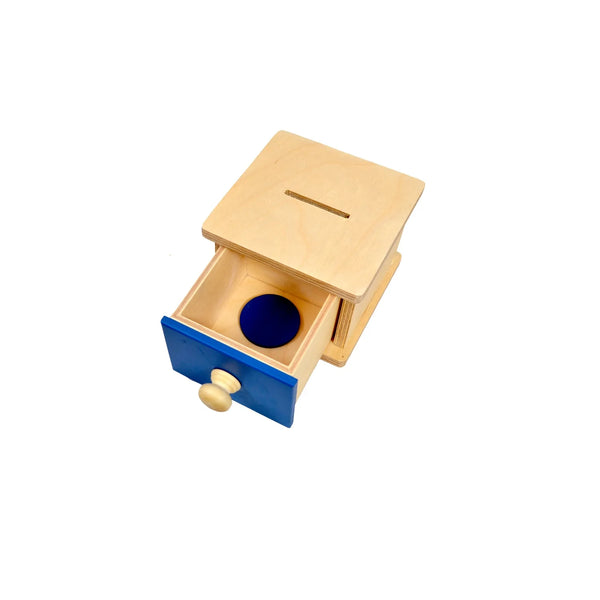
When selecting Montessori wooden toys, the key is observation. Rather than strictly adhering to age labels, watch your child's interests and abilities. Is your 18-month-old fascinated by putting objects into containers? A wooden shape sorter might be perfect. Does your 4-year-old enjoy building intricate structures? A more advanced block set could challenge them. The best toy is one that meets your child where they are developmentally and encourages them to explore just a step further.
Remember, the goal isn't just to fill their toy box, but to provide tools that empower them to learn and grow at their own pace. By offering a diverse range of wooden toys, you're not just buying playthings; you're investing in your child's holistic development, fostering their innate curiosity, and nurturing their journey towards becoming independent, creative, and confident individuals.