Wooden Toys for Kids: Montessori Magic for Indian Homes
Modern Indian parents are increasingly choosing wooden toys for kids because these timeless playthings, especially those rooted in Montessori principles, offer profound developmental benefits and align with a conscious, sustainable lifestyle. Research from early childhood development experts consistently shows that natural materials foster better concentration and imaginative play than their plastic counterparts.
In our bustling urban lives, where screen time debates and the quest for 'the best' often dominate parenting discussions, many of us are looking for something different. Something that feels wholesome, enduring, and genuinely enriching for our little ones. This quest often leads us back to the simplicity and wisdom of Montessori wooden toys.
What are Montessori Wooden Toys?
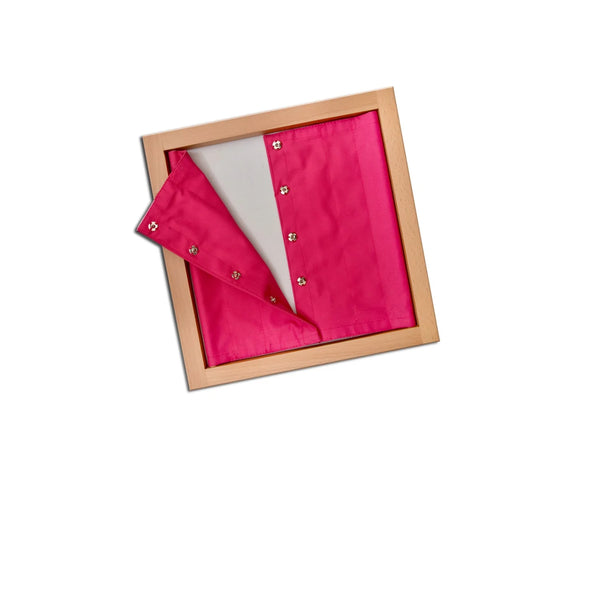
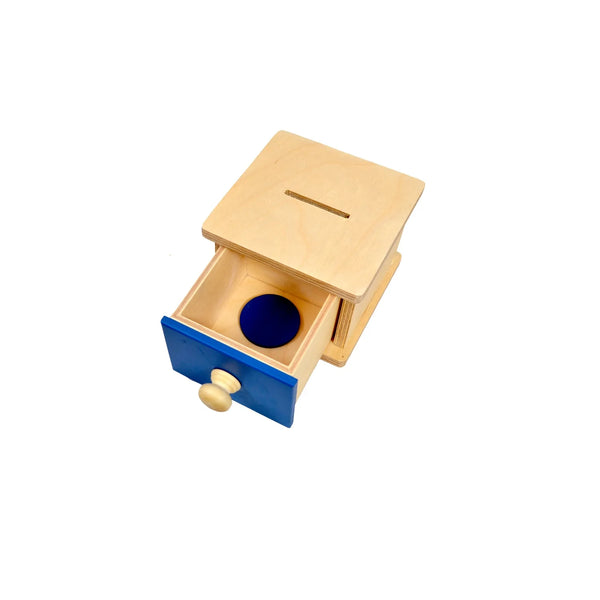
Montessori wooden toys are educational materials designed to facilitate a child's natural learning process through hands-on exploration. This approach, pioneered by Maria Montessori, emphasizes purposeful play with simple, self-correcting wooden tools that allow children to develop cognitive, motor, and sensory skills independently. Indian parents can use these toys to create a focused, stimulating environment at home.
The Enduring Appeal: Why Indian Parents Are Opting for Quality and Sustainability
For parents juggling careers and family in cities like Bengaluru, the choice of toys isn't just about entertainment; it's an investment in their child's future. The enduring charm of wooden toys resonates deeply here. They offer a tangible connection to nature, which can be scarce in concrete jungles, and stand in stark contrast to the often flimsy, disposable plastic alternatives flooding the market.
Wooden toys are incredibly durable. Think of the solid thud of a wooden block versus the hollow clatter of a plastic one. They can withstand years of enthusiastic play, accidental drops, and even monsoon humidity, often becoming cherished hand-me-downs from an older sibling to a younger one, or even passed down through generations – a beautiful Indian tradition. Moreover, when parents worry about safe wooden toys for toddlers who explore the world with their mouths, the natural, non-toxic finishes of quality wooden toys offer immense peace of mind. This aligns with a growing desire for eco-friendly toys in India, reducing our plastic footprint.
The recent discussions about urban parents' choices, from 'toddler raves' to comparing parenting styles across cultures, highlight a deeper search for meaningful experiences. Wooden toys, in their quiet simplicity, offer exactly that. They don't overstimulate; they invite. They don't demand attention with flashing lights; they earn it through tactile richness and open-ended possibilities.
Beyond Play: The Deep Developmental Power of Montessori Wooden Toys
The true genius of Montessori wooden toys lies in their ability to foster genuine learning. These aren't just pretty objects; they are carefully designed tools for growth. When a child manipulates a Montessori wooden toy, they're engaging multiple senses and developing critical skills.
Child development experts agree that activities like stacking, sorting, and nesting with wooden blocks or rings significantly enhance fine motor skills and hand-eye coordination. Consider a child working with a Montessori pink tower; they aren't just stacking blocks, they're developing visual discrimination of size and honing their concentration. This kind of focused, repetitive action builds neural pathways crucial for later academic success.
The profound magic of these 'simple' wooden toys lies in their quiet invitation to engage. Unlike flashing, beeping plastic toys that tell a child what to do, a wooden block set or a stacker demands the child's imagination to complete the narrative. This seemingly 'boring' quality is precisely what cultivates deeper concentration and original thought, teaching children to create their own fun and solve problems without external cues. The American Academy of Pediatrics (AAP) recommends open-ended, child-led play for fostering creativity and problem-solving, a philosophy inherently supported by the design of Montessori wooden toys.
Choosing the Right Wooden Toys for Your Child's Journey
With so many options, how do you pick the best educational wooden toys for your child? It's about matching the toy to your child's developmental stage and interests, much like how Dadi selects a story to tell based on the child's mood.
For toddlers (18-24 months), simple wooden stackers, shape sorters, and push-and-pull toys are ideal. They help with gross motor skills, shape recognition, and cause-and-effect understanding. As they grow (2-4 years), introduce more complex puzzles, lacing beads, or building blocks that encourage imaginative construction. For a 3-year-old Aarya in a Bangalore joint family, a set of wooden activity kits that involve lacing or pattern building can offer focused engagement even amidst family hustle and bustle.
When selecting, look for quality craftsmanship, smooth edges, and non-toxic finishes. Observe how your child interacts with their current toys. Do they seem overwhelmed by too many features? Do they quickly lose interest? A simple wooden toy can offer sustained engagement, as the child themselves brings the complexity and creativity to the play.
A Parent's Perspective: Making the Shift
Making the switch to more intentional play with wooden toys can feel like a big step, especially when you're navigating urban life, school pressure, and the endless advice from well-meaning relatives. But it's a worthwhile one. Just as Indian parents adapt baby care routines for the monsoon, we can adapt our toy choices for holistic development.
Instead of thinking of wooden toys as just another purchase, view them as tools for fostering independence, creativity, and a deeper connection to their innate learning abilities. Start small, observe your child, and watch as their imagination takes flight with these timeless, beautiful pieces.