Building a Three-Period Lesson Plan for Toddlers at Home
In the vibrant tapestry of an Indian home, where learning often intertwines with daily life and the wisdom of grandparents, we often seek structured yet gentle ways to introduce new ideas to our little ones. As parents exploring Montessori at home India, you might be wondering how to effectively teach new vocabulary and concepts. This is where the brilliant simplicity of the three-period lesson plan for toddlers at home comes into play, a cornerstone of the Montessori method that empowers children to learn at their own pace.
The Three-Period Lesson is a fundamental Montessori technique for introducing new nomenclature or concepts to a child. It is a carefully structured, respectful way to help children associate names with objects or qualities. This method works because it respects the child's developmental pace, engages multiple senses, and builds strong neural pathways through repetition and recall. Parents can easily implement this method using everyday items or specific Montessori learning materials, fostering language and cognitive development.
Understanding the Three Periods: A Step-by-Step Guide
Maria Montessori observed that children learn best when given clear, concise information and the freedom to explore. The three-period lesson mirrors this by breaking down learning into manageable, child-led stages.
Period One: The Naming Period (This is...)
This is the introduction phase. Here, you simply name the object or concept. Choose two or three contrasting items – for example, a red chilli, a yellow lemon, and a green brinjal. Present one item at a time, pointing to it clearly and saying, “This is a red chilli.” Repeat it slowly and clearly. Then do the same for the other two. The goal is clear, precise language without asking questions. Your child observes and absorbs the new information. Keep this period brief and engaging.
Period Two: The Association & Recognition Period (Show me...)
Once you've introduced the names, the second period focuses on the child recognizing and associating the name with the object. Place all three items in front of your child. Now, you’ll ask, “Show me the red chilli.” or “Can you give me the yellow lemon?” If your child points to or hands you the correct item, offer a warm smile or a “Yes, that’s the yellow lemon!” without overpraising. If they choose incorrectly, simply re-state the correct name and gently guide their hand to the right object: “This is the red chilli.” Do not correct them harshly or make them feel wrong. This stage helps solidify the association in their mind.
Period Three: The Recall Period (What is this?)
This is the assessment phase, undertaken only when your child consistently and correctly identifies the items in Period Two. Point to an item and ask, “What is this?” If your child correctly names it (“Red chilli!”), acknowledge their answer with a simple, “Yes, that’s a red chilli.” If they struggle or are unsure, gently go back to Period One and Period Two. This isn't a test; it's an opportunity to observe your child’s mastery and reinforce learning without pressure. Never force or rush this period.
Adapting for Indian Homes: Practical Tips for Montessori Learning
Bringing Montessori home doesn't require a dedicated classroom; it thrives in everyday life. For Montessori learning activities, embrace what's around you. Use local vegetables, common household items, or even different types of fabrics found in your wardrobe. In a joint family setting, involve grandparents – their natural storytelling ability and familiar presence can make these lessons even more enriching.
Choosing Your Materials Wisely
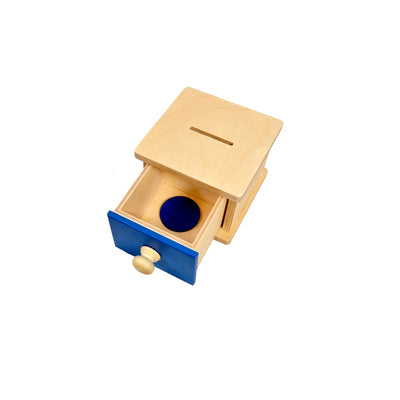
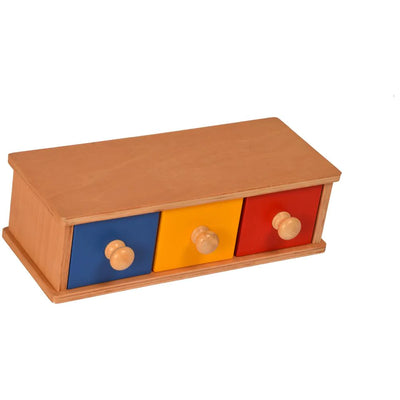
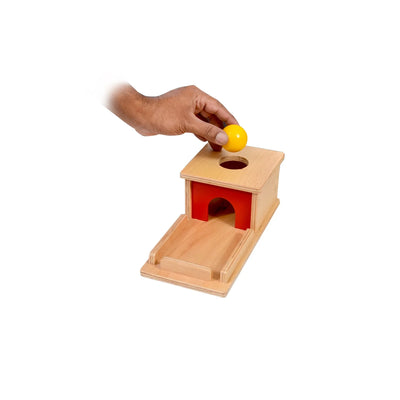
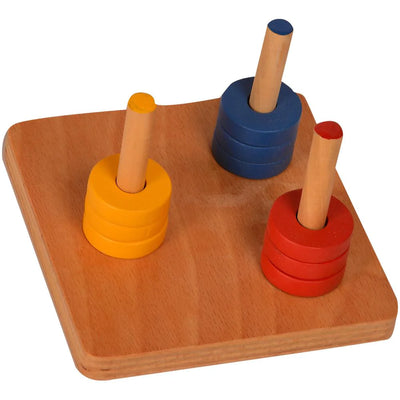
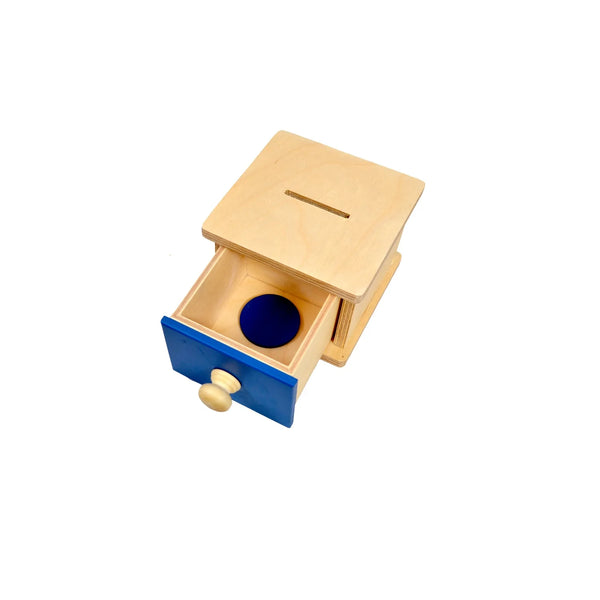
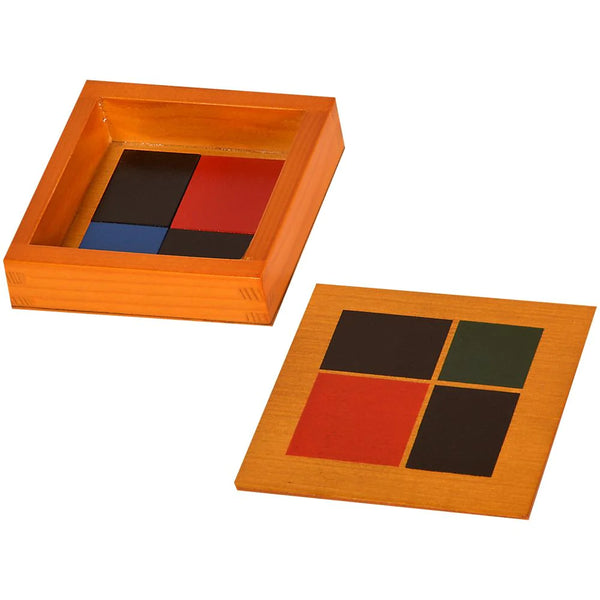
When selecting items for your three-period lesson, choose objects that are distinct in colour, shape, or texture. For younger toddlers, tangible objects work best. Montessori materials for toddlers like shape sorters, animal figurines, or even different types of pulses (rajma, chana, moong dal) can be excellent. Later, you can introduce abstract concepts like colours, shapes, or textures using Montessori sensorial materials like colour tablets or fabric boxes.
Creating a Conducive Learning Environment
Even in a small apartment, you can create a 'prepared environment.' A small mat on the floor, a quiet corner during nap time for older siblings, or even the kitchen table after dinner – these can all serve as dedicated spaces for a lesson. Remove distractions and ensure your child is well-rested and receptive. A calm atmosphere is key for effective learning.
Observation is Your Superpower
The beauty of Montessori lies in following the child. Observe your toddler closely. Are they engaged? Are their eyes sparkling with curiosity? If they lose interest, simply end the lesson and try again later. Never turn it into a chore. The goal is to foster a love for learning, not to push for quick results. This gentle approach builds confidence and a positive relationship with learning.
Beyond Vocabulary: Applying the Method
While often used for vocabulary, the three-period lesson can extend to many areas. Introduce concepts like “rough and smooth” with different textiles, “big and small” with nesting dolls or “heavy and light” with household objects. This versatile tool is fantastic for boosting child development India-wide, helping little ones make sense of their world.
Implementing the three-period lesson at home is a powerful yet simple way to support your toddler's cognitive and language development. It's a testament to the Montessori philosophy that profound learning can happen through respectful interaction and careful observation. For a wide range of thoughtfully designed educational tools that support this journey, explore the collections at SkilloToys.com.