Calm-Down Corner Montessori Way for Toddlers
Our Indian homes are vibrant, bustling spaces, often filled with the chatter of grandparents, the aromas of home-cooked meals, and the joyous chaos of family life. Amidst this beautiful energy, our little ones, especially toddlers, navigate a whirlwind of new experiences and big emotions. From the sheer delight of a festival celebration to the frustration of a toy not quite working, these feelings are a natural part of their growth. But what if there was a special nook, a tranquil spot, designed just for them to process these moments peacefully? That's where creating a calm-down corner the Montessori way for toddlers truly shines, offering a haven of self-regulation right within your home.
A Montessori calm-down corner is more than just a designated space; it's an intentional environment, often small and cosy, where a child can retreat to process overwhelming emotions and practice self-soothing independently. This works because it respects the child's innate capacity for self-direction, providing tools for emotional regulation without adult intervention, fostering independence and inner calm. Parents can prepare such a corner by thoughtfully selecting materials and presenting it as a place of comfort, not punishment.
Why a Calm-Down Corner Matters for Toddlers in India
Toddlers are explorers, constantly learning and pushing boundaries, which inevitably leads to moments of frustration, anger, or sadness. In our close-knit Indian families, where space might be shared and interactions are constant, a child often lacks a private space to simply "be." A calm-down corner offers this crucial personal territory, helping them develop vital emotional intelligence skills. It's an essential tool for holistic child development in India, promoting not just peace, but also resilience.
This dedicated area teaches children that all emotions are valid and provides a constructive outlet for them. Instead of simply distracting a child from their feelings, a Montessori approach empowers them to acknowledge and manage those feelings, preparing them for future challenges. It's about building an internal locus of control, a core principle in Montessori philosophy, even for our youngest learners.
Designing Your Peaceful Nook: The Montessori Way at Home
Creating this special space doesn't require a large room; even a small corner in a shared living area or a quiet spot in the bedroom can be transformed. The key is to make it inviting, accessible, and free from distractions. Think about a nook that gets natural light, perhaps near a window overlooking a garden or a quiet part of the street. For many Indian families in apartments, a small alcove or the space beside a bookshelf works perfectly.
Creating an Inviting Ambiance
The aesthetics of the calm-down corner play a huge role in its effectiveness. Choose soft, muted colours for the walls or a wall hanging, avoiding overstimulation. Lay down a soft rug or a comfortable, washable mat – perhaps a traditional cotton durrie – to define the space and make it cosy. Incorporate natural elements like a small potted plant (ensure it's child-safe and non-toxic) or a simple wooden block set. A small, low shelf or a beautiful cane basket can hold the carefully chosen materials, making them easily accessible for tiny hands. Explore high-quality Montessori learning materials that enhance this serene environment.
Thoughtfully Curated Materials for Self-Regulation
The items in your calm-down corner should be purposeful, simple, and limited to avoid overwhelming the child. The idea is to provide tools for focus and soothing, not entertainment.
- Sensory Bottles: A simple, clear plastic bottle filled with water, glitter, and perhaps some small beads can be incredibly calming to watch. You can easily create one using materials found in any Indian household.
- Quiet Basket: Fill a small, sturdy basket with soft items like a silk scarf, a smooth wooden worry stone, or a small, plush animal. These items provide tactile comfort and encourage quiet exploration.
- Emotion Cards: Simple cards depicting various facial expressions (happy, sad, angry, surprised) help toddlers identify and articulate their feelings. This visual aid is a wonderful way to foster early emotional literacy.
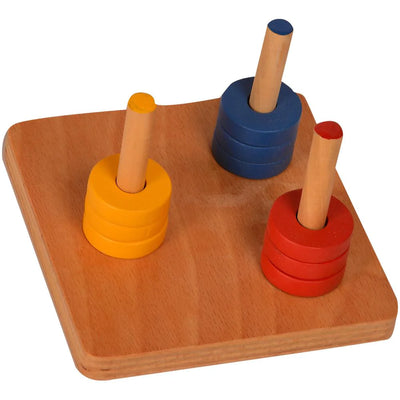
- Practical Life Activities: Include small, engaging activities that require concentration, such as a set of stacking rings, a simple peg puzzle, or sorting coloured pom-poms into bowls. These provide a gentle distraction and help redirect energy. Find excellent educational toys for toddlers that fit this description.
- Picture Books: A couple of short, sturdy picture books with calming themes or stories about emotions can offer a quiet escape.
Remember to rotate these materials periodically to keep the corner fresh and engaging, ensuring that each item serves a specific purpose for self-regulation.
Introducing the Calm-Down Corner to Your Child
The way you introduce this space is crucial. Present it not as a place for punishment, but as a special spot for finding peace and quiet when big feelings arise. Take your child there when they are already calm and explore the items together. Model how to use a sensory bottle or gently flip through an emotion card. Explain that "when you feel sad, angry, or overwhelmed, you can come here to feel better."
Consistency is key. When your child does experience a strong emotion, gently guide them towards the corner without force or shame. Over time, they will learn to self-initiate going to their calm-down space, a testament to their growing independence and emotional maturity. This practice aligns perfectly with the principles of "Montessori at home India," empowering children to be active participants in their own well-being.
Creating a calm-down corner the Montessori way for toddlers is a gift of emotional intelligence and self-reliance, a cornerstone of effective child development. By providing this peaceful haven, you equip your child with invaluable tools for navigating the vibrant tapestry of life. For more authentic Montessori materials that support this journey, explore the curated collections at SkilloToys.com.