Children Absorb Language Fastest Before Age 3
Ever wondered why little ones seem to pick up words and phrases so quickly, almost like magic? It's not just adorable; it's a profound stage of development! Did you know that children absorb language fastest before age 3? This isn't just a fun fact; it's a cornerstone of early childhood development and a central tenet of the Montessori philosophy. Understanding this critical window empowers us, as parents, to create an environment where our child's linguistic potential can truly flourish.
Maria Montessori observed that children from birth to six years possess what she termed the 'Absorbent Mind'. This unique capacity allows young children to absorb knowledge from their environment effortlessly, much like a sponge soaks up water. For language, this period, particularly before age three, is a sensitive window where the child's brain is neurologically primed to acquire language—its sounds, vocabulary, and grammar—with incredible ease and speed. This works because their neural pathways are rapidly forming connections, making them highly receptive to linguistic input. Parents can nurture this by providing consistent, rich language experiences.
Why Before Age Three is Magical for Language Absorption
During these foundational years, a child's brain is undergoing phenomenal growth. The neural networks responsible for language acquisition are developing at an astounding pace. Every new sound, every word spoken, and every conversation heard contributes to building a robust linguistic framework. This period is often referred to as a 'sensitive period' for language, meaning the child has an innate drive and heightened ability to acquire language during this specific time.
Think about the sheer number of new words a toddler learns in a day! From 'Amma' and 'Appa' to 'gudiya' and 'paani', their vocabulary expands exponentially. This rapid expansion is a testament to their brain's unparalleled capacity to process and store linguistic information. Providing rich and varied linguistic input during this phase is vital for strong child development in India, laying the groundwork for literacy and cognitive skills later on.
Creating a Language-Rich Environment in Your Indian Home
In Indian homes, language is woven into the very fabric of daily life. Whether it's the grandparents narrating folk tales (dadi/nani ki kahaniyan), the family singing bhajans during festivals, or simply the chatter of a joint family, children are naturally immersed in a vibrant linguistic tapestry. Even in smaller apartments, thoughtful engagement can make a huge difference.
Everyday Conversations Make a Difference
You don't need fancy tools to foster language; everyday interactions are incredibly powerful. Talk to your child constantly – narrate what you're doing while cooking, bathing, or walking. Describe the colours of the vegetables at the market, the sounds of the street, or the textures of different clothes. Ask open-ended questions and patiently listen to their responses, even if they're just babbling. This continuous verbal exchange stimulates their auditory processing and encourages them to mimic and form their own words. Consider incorporating educational toys for toddlers that encourage dialogue, such as animal figures or play sets, to enrich these conversations.
Montessori Language Activities You Can Try at Home
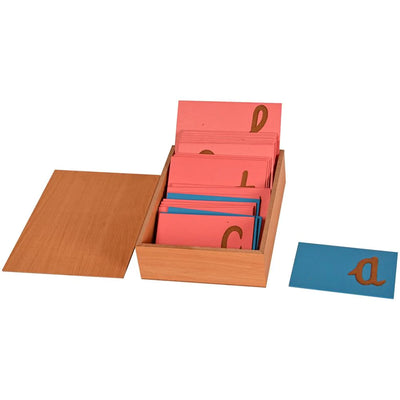
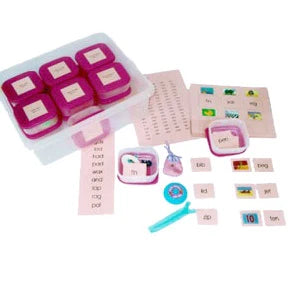
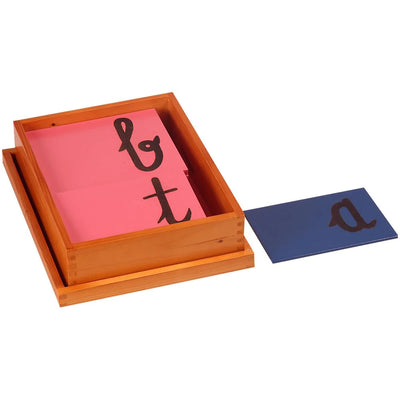
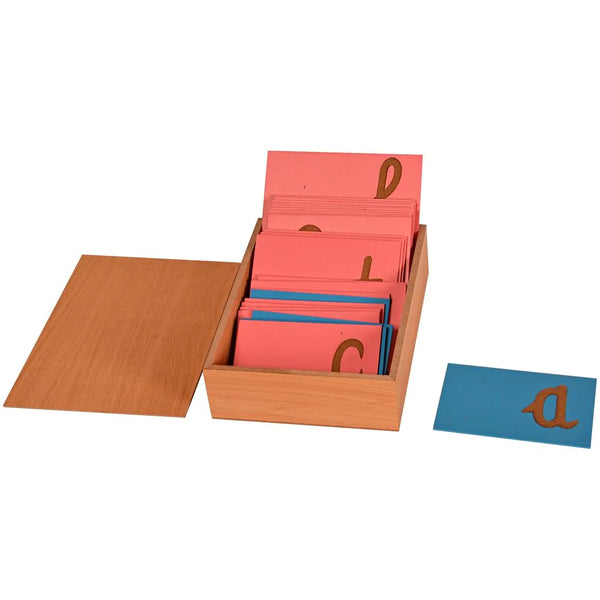
The Montessori method offers structured yet child-led ways to support this natural language explosion. For instance, engaging with Montessori language materials can be incredibly beneficial. Materials like the Sandpaper Letters introduce phonetic sounds tactilely, connecting a symbol to a sound. The Movable Alphabet allows children to build words even before they can write, fostering a deep understanding of letter-sound relationships. Even simple activities like 'matching' games with picture cards and their names can expand vocabulary rapidly.
Beyond specific materials, 'reading aloud' is perhaps the most impactful activity. Regular story time not only introduces new vocabulary and sentence structures but also cultivates a love for books and imagination. Point to pictures, ask questions, and encourage your child to turn pages. This is a foundational Montessori learning activity that supports both language and literacy.
Embracing Multiple Languages in an Indian Home
Many Indian households are naturally bilingual or even multilingual. This is an enormous advantage during the sensitive period for language acquisition! Children exposed to multiple languages from birth often become fluent in all of them with ease, without confusion. Their brains are incredibly adept at distinguishing between linguistic systems. Encourage conversations in all languages spoken in the home – be it Hindi, Kannada, Tamil, or English. This rich linguistic environment provides unparalleled cognitive benefits, fostering greater mental flexibility and problem-solving skills.
Remember, the goal isn't just about teaching words; it's about nurturing communication, connection, and cognitive growth. By understanding that children absorb language fastest before age 3, we can intentionally craft environments that celebrate this innate ability. Explore a wide range of thoughtfully designed Montessori method learning materials and resources at SkilloToys.com to support your child's incredible journey of linguistic discovery.