Cultural Studies for Indian Homeschoolers
As Indian parents, we inherently value our rich traditions, diverse festivals, and the stories passed down through generations. When you choose to homeschool, you have a unique opportunity to deeply embed these cultural learnings into your child's daily life. This is where cultural studies for Indian homeschoolers using the Montessori approach shines, offering a beautiful way to connect your little one aged 0-6 with their roots and the wider world.
What exactly are cultural studies in a Montessori context? Cultural studies, within the Montessori framework, is an expansive area that introduces children to geography, history, botany, zoology, art, music, and the study of human cultures. This works because it follows the child's natural curiosity and sensitive periods for exploration and understanding the world. Parents can easily integrate these concepts by creating a 'culture shelf' with specific materials and activities that reflect both global diversity and our vibrant Indian heritage.
Why Cultural Studies Matters for Young Indian Children
In today's fast-paced world, understanding our identity and fostering empathy for others is more crucial than ever. For Indian children, cultural studies provides a strong foundation. It helps them build a sense of belonging to their family and community, understand the beauty in diversity, and appreciate the customs that shape their daily lives, whether it's the aroma of spices in the kitchen or the sounds of devotional music.
Embracing Our Indian Heritage at Home
Montessori isn't just about specific materials; it's about an approach that encourages practical, hands-on learning. For an Indian home, this means:
- Practical Life Connections: Involve your child in preparing traditional Indian meals like making chapati dough, sorting pulses, or grinding spices. Dressing up in regional attire for festivals or helping grandparents with rituals are invaluable Montessori learning activities that foster cultural appreciation.
- Geography of India: Introduce them to the vastness of India. Use a simple map puzzle of India to identify states, talk about different languages spoken, or trace the journey of relatives visiting from another city. Exploring Montessori Geography Materials can make this a joyful discovery.
- Festivals & Traditions: Beyond just celebrating, delve into the stories behind festivals like Diwali, Eid, Christmas, or Holi. Discuss their significance, the unique foods prepared, and the community spirit they evoke. Grandparents are incredible storytellers here!
- Art, Music & Stories: Expose them to traditional Indian folk art, classical music, or dance forms. Use local materials for crafts, listen to regional lullabies, or narrate tales from the Panchatantra or Jataka stories.
Global Citizenship through Montessori Cultural Activities
While grounding children in their own culture is vital, opening their minds to the wider world is equally important. Montessori cultural studies naturally lead children to become global citizens, appreciating human connections across borders.
Exploring the Continents with the Globe
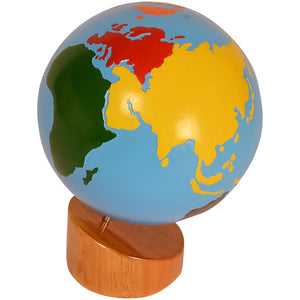
Begin with a simple globe, helping your child distinguish between land and water. Introduce the different continents one by one, using continent puzzle maps. Children are fascinated by the distinct shapes and colours. Talk about the unique animals that live on each continent and the diverse people who call them home. This builds a foundational understanding of the world.
Foods, Flags, and Families Around the World
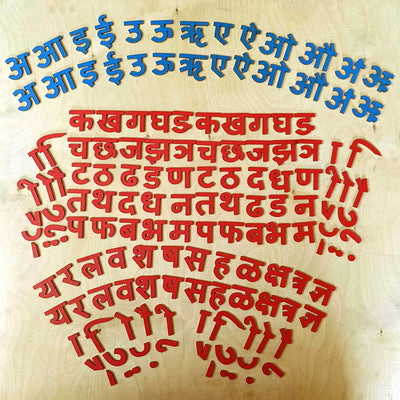
Cultural exploration can be delicious! Introduce simple dishes from different countries. Matching flag cards to continent maps is a wonderful activity that engages their visual memory. Show pictures of families from various cultures, highlighting both differences and universal human experiences like love, play, and community. Using the movable alphabet to spell country names can also be a fun way to reinforce learning, contributing to holistic Montessori learning materials usage.
Practical Tips for a Rich Cultural Environment at Home
Creating a stimulating cultural environment doesn't require a large dedicated room. Even in small apartments, a thoughtful approach can yield rich experiences for Montessori at home India.
- Create a 'Culture Shelf': Dedicate a small, accessible shelf to rotating cultural materials. This could include a small globe, continent puzzle, flag cards, books about different countries, traditional Indian dolls, or natural items like different types of grains and spices.
- Utilise Local Resources: Visit local markets to explore different vegetables and spices, take your child to a temple, mosque, gurudwara, or church to observe various customs, or spend time in a local park observing diverse communities.
- Involve Family: Grandparents, aunts, and uncles are incredible resources. Encourage them to share family histories, traditional songs, or stories from their childhood. This fosters intergenerational bonds and rich cultural transfer.
- Hands-On & Sensorial: Maria Montessori emphasised learning through the senses. Let your child touch different fabrics, taste various foods, listen to diverse music, and handle cultural artefacts. This multi-sensory engagement enhances their understanding and memory.
- Integrate into Daily Life: Cultural learning isn't just about specific activities. It's about discussing the news, talking about current events, or even observing how different neighbours celebrate their traditions. This holistic approach supports child development India.
Key Takeaways
- Montessori cultural studies provide a holistic approach to understanding identity and diversity.
- Blend rich Indian cultural heritage with global awareness for a balanced perspective.
- Hands-on, sensorial exploration is fundamental to effective cultural learning.
- Integrate practical life activities, art, music, geography, and history into daily routines.
- Leverage family and community resources to enrich your child's cultural experiences.
- Dedicated materials like globes and puzzle maps significantly enhance learning.
FAQs about Montessori Cultural Studies for Homeschoolers
What age is best to start cultural studies?
Cultural exploration can begin as early as infancy through sensory experiences like traditional music or food. Formal Montessori cultural materials typically start around 2.5-3 years, coinciding with a child's absorbent mind period for language and order.
Do I need special Montessori materials for cultural studies?
While specific Montessori materials like continent puzzles are valuable, you can start with everyday items. Use local maps, traditional fabrics, spices, family photos, and visit cultural sites. SkilloToys offers a range of authentic Montessori learning materials.
How can I teach about different religions without bias?
The Montessori approach focuses on presenting facts and celebrating diversity. Introduce major festivals, stories, and customs from various religions neutrally, emphasising shared values like community and kindness. Avoid expressing personal opinions.
My apartment is small, how can I set up a cultural learning area?
A dedicated 'culture shelf' or a small, rotating basket of themed items is perfect. Focus on quality over quantity. Utilize wall space for maps or pictures, and incorporate activities into daily routines like cooking or storytelling for Montessori at home India.
Nurturing a global perspective rooted in a strong cultural identity is one of the greatest gifts you can give your child. SkilloToys.com is here to support your homeschooling journey with carefully curated educational toys for toddlers and young children, designed to inspire curiosity and discovery.