Did You Know: Maria Montessori, Italy's First Female Doctor?
When we talk about revolutionary education, Maria Montessori's name often comes to mind. But did you know Maria Montessori was the first female doctor in Italy? Yes, a true trailblazer, she shattered glass ceilings long before the term became common. Her remarkable journey from medicine to pedagogy offers a deeper understanding of the child-centric approach that continues to transform learning for children, including those right here in Indian homes.
What sets the Montessori method apart is its profound respect for the child's innate potential and their natural drive to learn. This philosophy is rooted in observation and scientific understanding. This works because it aligns with a child's natural developmental stages, encouraging self-directed activity and hands-on learning. Parents can easily integrate elements of this method at home by providing a prepared environment and observing their child's interests.
From Clinic to Classroom: How Medicine Shaped Montessori
Maria Montessori's medical background was not just a historical footnote; it was the very foundation of her educational philosophy. As a doctor, particularly working with children in psychiatric clinics, she observed with a scientist's precision how children learned, interacted, and developed. She didn't just see symptoms; she saw potential, even in those deemed 'uneducable'. This keen eye for observation and a scientific approach to understanding child development India, became the cornerstone of her educational principles.
Imagine the late 19th century in Italy – a woman pursuing medicine was extraordinary. Her experiences in the medical field gave her a unique perspective on human development, brain function, and the critical importance of early childhood experiences. She understood that a child's environment profoundly impacts their physical and psychological growth, much like a doctor understands how diet affects health.
The Prepared Environment: A Doctor's Prescription for Learning
Montessori's concept of the 'prepared environment' stems directly from her medical understanding. Just as a surgeon prepares a sterile operating theatre for optimal outcomes, Montessori advocated for a meticulously prepared learning space that caters to a child's developmental needs. This includes child-sized furniture, accessible materials, and an atmosphere of calm and order.
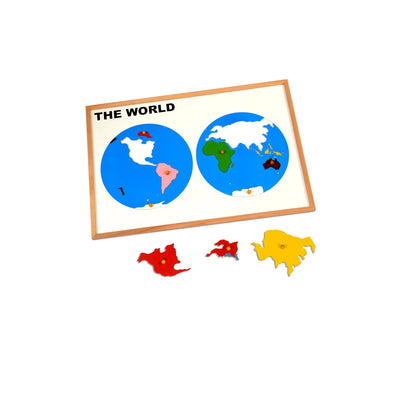
For Indian parents exploring Montessori at home India, this means thoughtfully arranging a corner or a room where educational toys for toddlers are within reach. It could be a low shelf with a collection of Montessori learning materials, or a small table and chair where they can focus. Even in a small apartment, creating such a dedicated space empowers children to choose their activities and learn independently.
Hands-On Learning: Diagnosing and Developing Skills
Her medical insights also led to the emphasis on sensory and practical life activities. Think about a doctor diagnosing an ailment – they use their senses to observe, touch, and listen. Similarly, Montessori materials are designed to engage all senses, allowing children to learn abstract concepts through concrete experiences.
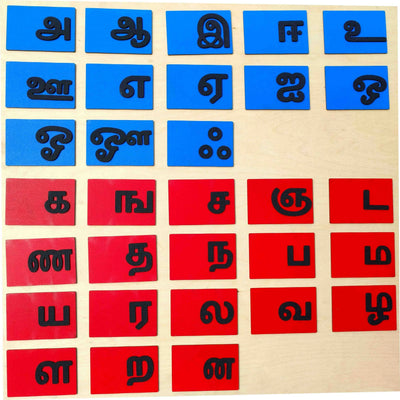
From the precise grip needed for the Montessori Movable Alphabet to the focus required for pouring exercises, each activity hones fine motor skills, concentration, and problem-solving abilities. These aren't just toys; they are tools for development, much like medical instruments are tools for healing and understanding the human body.
Montessori Today: A Legacy for Our Children
Maria Montessori's legacy lives on, offering a powerful framework for nurturing curious, capable, and confident children. Her unique background as a medical doctor provided the scientific rigour and deep empathy necessary to create an educational system that truly respects the child. It's a reminder that sometimes, the most revolutionary ideas come from unexpected places.
Whether it's grandparents introducing a grandchild to practical life skills during Diwali preparations or parents setting up a simple reading nook, the spirit of Montessori thrives when we empower our children to explore, discover, and learn at their own pace. The emphasis on independent learning and respecting the child's inner drive makes Montessori learning activities incredibly relevant for modern families.
Key Takeaways
- Maria Montessori was the first female doctor in Italy, a true pioneer.
- Her medical background profoundly influenced her child-centric educational philosophy.
- She applied scientific observation and understanding of human development to create the Montessori method.
- The concept of the 'prepared environment' is a direct result of her medical precision.
- Montessori materials are designed for hands-on, sensory learning, fostering independence and concentration.
- Her legacy empowers parents to create nurturing learning spaces at home, supporting holistic child development.
FAQ: Understanding Maria Montessori's Impact
What motivated Maria Montessori to shift from medicine to education?
Montessori's work with children with special needs in psychiatric clinics revealed that many challenges were educational, not purely medical. She believed that by providing a stimulating environment and appropriate materials, these children could learn and thrive, leading her to develop her unique pedagogical approach.
How does a doctor's perspective benefit educational theory?
A doctor's perspective brings a scientific understanding of human development, neurology, and the impact of environment on growth. Montessori applied this rigour to education, focusing on observation, individualised learning, and creating environments that support a child's natural developmental trajectory.
Can the Montessori method be applied effectively in an Indian joint family setting?
Absolutely! The Montessori emphasis on practical life skills, respect for others, and community building aligns beautifully with joint family values. Activities like cooking, cleaning, or caring for younger siblings become natural learning opportunities, fostering independence and contribution within the family unit.
What are some easy ways for parents to incorporate Montessori principles at home?
Parents can start by decluttering, providing child-sized tools, and offering choices for age-appropriate activities. Simple things like allowing your child to help with chores, having a dedicated space for their learning materials, and observing their interests can significantly contribute to their development.
At SkilloToys.com, we believe every child deserves the opportunity to flourish. Explore our curated range of Montessori educational toys designed to bring these powerful principles into your home and support your child's incredible journey of discovery.