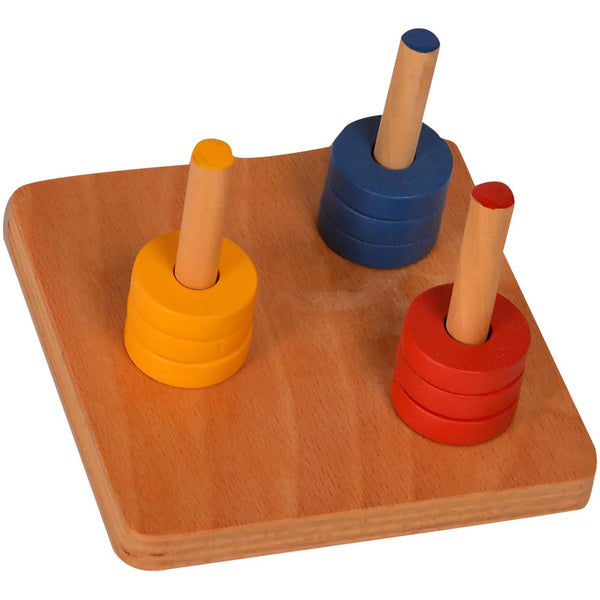
DIY Montessori Threading & Beading Station at Home
Hello wonderful parents! In our bustling Indian homes, where every corner tells a story and every day is an adventure, finding simple yet enriching activities for our little ones is a delightful pursuit. Today, let's explore creating a beautiful and engaging threading and beading station DIY Montessori at home – a cornerstone of practical life education that brings immense joy and learning to children aged 0-6 years.
A Montessori threading and beading station is a specially prepared space that offers a child various materials to practice the art of passing a string through an object. This isn't just a simple game; it's a profound practical life activity that Maria Montessori herself recognised as vital for developing concentration, coordination, and independence. It's a hands-on learning experience that caters to a child's innate desire for purposeful work.
Why Threading & Beading is a Montessori Must-Have for Your Child
Imagine your child, sitting quietly, eyes focused, carefully pushing a string through a bead. This picture perfectly captures the essence of this activity. Threading and beading are fundamental for strengthening crucial developmental areas, which are often overlooked in the rush of modern life.
This activity specifically targets fine motor skills – the small muscle movements in the hands and fingers. These are the very skills needed for tasks like buttoning shirts, holding a pencil, and eventually, writing. It's about developing the pincer grasp, improving hand-eye coordination, and building sustained concentration, which is so valuable in today's distraction-filled world. For young children in India, these foundational skills are essential for their future academic journey and everyday independence.
Crafting Your DIY Threading & Beading Station: Local & Loveable
Creating a Montessori-inspired station doesn't require expensive purchases; it thrives on ingenuity and local resources. In an Indian household, you're likely surrounded by treasures that can be transformed into engaging materials. Think about those festive decorations or forgotten craft supplies!
For younger toddlers (18 months - 2.5 years), start with larger items. Chunky wooden beads (perhaps from an old necklace that's no longer used, ensuring no sharp edges), large dry pasta shapes like penne or macaroni, or even sections of sturdy drinking straws are excellent choices. Pair these with thick shoelaces, yarn with a dab of glue at the end to prevent fraying, or even a flexible pipe cleaner. Remember, supervision is key for this age group, especially with any small parts.
As your child grows (2.5 - 6 years), you can introduce smaller beads, buttons with larger holes, or even dried legumes like rajma or chana (again, with supervision for safety). Varying the textures and sizes adds to the sensory experience. Think about using a thick, colourful thread, or even some embroidery floss for a finer challenge. These activities are excellent for developing patience and precision, mirroring the intricate work often seen in traditional Indian crafts.
Setting Up Your Prepared Environment at Home
The Montessori philosophy emphasises a "prepared environment." This means creating a space that is inviting, orderly, and accessible to the child. Even in a small apartment or a busy joint family home in Bengaluru, you can carve out a special spot.
Find a low shelf or a small tray where you can neatly arrange your threading materials. Use small bowls or katoris to hold the beads and a separate one for the string. Presentation matters – a beautifully arranged tray invites the child to engage. Introduce one type of threading activity at a time to avoid overwhelming them. This allows the child to focus and master a skill before moving on to the next.
Montessori Learning Activities: Beyond the Basics
Once your child has mastered basic threading, you can introduce variations to keep the activity fresh and challenging. Encourage pattern making – perhaps a sequence of colours or shapes. "Red bead, blue bead, red bead..." This simple progression introduces early mathematical concepts and logical thinking.
You can also incorporate this activity into learning about Indian festivals. During Diwali, thread beads in bright festive colours. For Ganesh Chaturthi, thread together small wooden Ganeshas or leaves. This makes the activity culturally relevant and connects learning to their everyday life experiences, truly embodying Montessori at home India.
Observe your child during this process. Do they struggle with the pincer grasp? Do they lose interest quickly? Their engagement provides valuable insights into their developmental needs. Remember, the goal is not perfection but the process of concentration and effort.
Creating a threading and beading station is a wonderful way to offer meaningful, independent play that fosters critical child development skills. SkilloToys.com is dedicated to supporting your Montessori journey with resources and carefully curated educational toys that complement your DIY efforts. Happy threading!