Following the Child in Indian Parenting: What It Means
In the vibrant, sometimes overwhelming, rhythm of an Indian household, the Montessori concept of 'following the child' can feel like a beautiful, yet elusive, ideal. With grandparents often guiding, bustling family gatherings, and the everyday demands of life, how do we truly tune into our little ones and allow them to lead their own learning journey? It's not about letting children do whatever they want; instead, it's a profound philosophy of respectful observation and intelligent response that is incredibly relevant for **Indian parenting** today.
What does 'following the child' actually mean? This principle, central to Maria Montessori's philosophy, means observing your child's natural interests, developmental stage, and inner drive, and then creating an environment that supports their spontaneous learning. This works because children are inherently curious and motivated to learn through exploration. Parents can become guides, rather than dictators, fostering independence and a love for learning by allowing children to choose activities, work at their own pace, and correct their own mistakes.
Observing, Not Dictating: The First Step
For many Indian parents, our instinct is to teach, to show, to guide explicitly. However, following the child begins with stepping back and simply observing. Notice what fascinates your toddler during playtime – is it the intricate patterns of a *rangoli*, the feel of different textures, or the sound of water being poured? This isn't about ignoring safety or discipline, but about understanding where their developmental energy is focused. When a child intently tries to stack small vessels or sorts *dal* and *chawal* from the kitchen, they aren't just making a mess; they are exploring concepts of order, size, and classification. By providing suitable educational toys for toddlers that encourage this natural curiosity, we honour their innate desire to learn.
Creating a Prepared Environment in an Indian Home
The concept of a 'prepared environment' can seem daunting, especially in smaller apartments or joint family setups common in India. But it simply means making the child's surroundings accessible and inviting for purposeful activity. This could be a low shelf in their room with a few engaging Montessori materials, or a designated basket in the living area with their favourite Montessori method learning materials. In the kitchen, a small child-sized broom or a cloth to wipe spills makes them feel capable. Imagine having a child-friendly corner where they can engage with a knobbed cylinder block or a wooden puzzle without needing constant adult intervention. This empowers them to explore and learn independently, a cornerstone of **Montessori at home India**.
Respecting the Child's Pace and Choices
Our culture often encourages quick results and structured learning from an early age. However, 'following the child' means respecting their unique timeline. If your child wants to repeat an activity twenty times, let them. Repetition builds mastery and concentration. During festivals like Diwali, instead of just handing them a finished *diya*, let them choose the colours for decorating a plain one or help arrange the flowers for *puja*. This honours their capacity for choice and engagement. It's about offering meaningful activities and allowing them to choose, rather than dictating every moment, fostering a deeper sense of agency.
Practical Life Skills: Everyday Indian Learning
Montessori places great emphasis on practical life activities, and Indian homes are rich with these opportunities! From helping peel peas for dinner, folding clothes (even a small *dupatta*), or wiping down a table after a meal, these are invaluable **Montessori learning activities**. Imagine your child carefully washing a small steel glass at the kitchen sink or helping you water the tulsi plant. These tasks build concentration, coordination, and a profound sense of belonging and contribution to the family. They learn to be competent members of the household, a crucial aspect of holistic **child development India** values.
Embracing 'Errors' as Learning Opportunities
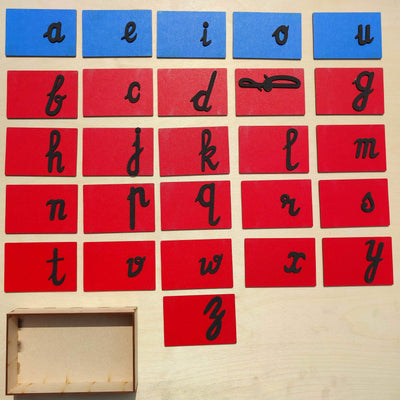
In 'following the child', the role of the adult shifts from corrector to supportive guide. When a child makes a mistake, whether it's stacking the Pink Tower incorrectly or misplacing a Sandpaper Letter, we resist the urge to immediately fix it. Instead, we allow them to discover their own errors through natural consequences or self-correction. Maria Montessori designed materials with a 'control of error' precisely for this reason. This approach builds resilience, problem-solving skills, and self-reliance, rather than dependence on external validation or fear of making mistakes.
Communication and Connection: The Heart of Following
Deep listening is vital. When your child speaks, truly listen to their words and observe their body language. Validate their feelings and articulate what you see. For instance, if a child is frustrated with a puzzle, you might say, "I see you're finding this part challenging." This respectful communication helps them feel understood and capable. Grandparents, with their wealth of stories and gentle wisdom, can play a significant role here, sharing traditions and allowing children to participate in a way that respects their developing capacities.
Key Takeaways
- Observe Intently: Watch your child's natural interests and developmental cues without immediate intervention.
- Prepare the Environment: Adapt your Indian home to make learning accessible and inviting for your child's age.
- Respect Pace & Choice: Allow your child to choose activities and work at their own rhythm, even if it means repetition.
- Embrace Practical Life: Integrate everyday Indian household tasks into learning opportunities for independence.
- View Errors as Learning: Encourage self-correction and problem-solving, rather than fixing mistakes for them.
- Foster Connection: Engage in respectful communication and deep listening to understand and validate your child.
FAQ: Following the Child in Indian Homes
Does 'following the child' mean never saying no?
Not at all. 'Following the child' is about respectful guidance, not permissiveness. You set clear boundaries for safety, respect, and family harmony, explaining the 'why' behind them in a way your child can understand.
How can I apply this in a joint family setting with different parenting styles?
Open communication is key. Share your Montessori philosophy with family members, perhaps by demonstrating how a prepared environment helps your child, or how allowing them to help with small tasks fosters independence and peace. Focus on common ground like fostering responsibility and learning.
What if my child only wants screen time and ignores Montessori materials?
Limit screen time consistently, offering engaging alternatives. Ensure your Montessori materials are appealing, accessible, and rotated regularly. Engage with the materials yourself occasionally to model their use and spark interest without pressure.
Do I need to buy expensive Montessori materials to follow this principle?
No, 'following the child' is a philosophy, not just about specific materials. You can create a rich, stimulating environment using everyday items like kitchen utensils, lentils, fabrics, or natural elements. While SkilloToys offers authentic Montessori materials, the spirit of the approach can be embraced with creativity and observation.
Embracing 'following the child' is a journey of patience, observation, and profound respect for your little one's unfolding personality. It's about creating a harmonious home where learning is joyful and organic. For high-quality, authentic Montessori materials that support this beautiful journey, explore the curated collections at SkilloToys.com.