Letting Children Pour Water: Hidden Benefits for Development
Imagine your little one, barely old enough to walk, confidently pouring a glass of water for themselves or even for their dadi (grandmother). It sounds simple, doesn't it? Yet, the act of letting children pour their own water is far more profound than just fetching a drink. In bustling Indian homes, where often an elder is quick to help, we might overlook the incredible learning opportunities this seemingly small task offers. At SkilloToys, we see it as a cornerstone of early childhood development, laying foundations for independence and skill.
In the Montessori philosophy, pouring water falls under 'Practical Life Activities.' These are everyday tasks that children observe adults doing and are naturally drawn to imitate. Practical Life Activities are designed to develop concentration, coordination, independence, and a sense of order. This works because children are given real, purposeful work that is appropriately challenging, allowing them to master skills at their own pace. Parents can introduce simple pouring exercises with child-sized pitchers and glasses, transforming daily routines into powerful learning experiences, right within their Montessori at home India setup.
Cultivating Concentration and Focus
In a world filled with digital distractions, fostering deep concentration in young children is invaluable. When a child carefully pours water, they are fully immersed in the task. They focus on the movement of their hands, the flow of the water, and the sound it makes. This sustained attention, even for short periods, strengthens their ability to concentrate – a vital skill for all future learning, from mastering the Montessori method learning materials to complex problem-solving in school.
Boosting Fine Motor Skills and Hand-Eye Coordination
The precise movements required for pouring — gripping the pitcher, tilting it gently, aiming for the glass, and stopping at the right moment — are incredible exercises for developing fine motor skills. These are the small muscle movements in the hands and wrists that are essential for writing, dressing, and even eating independently. Furthermore, it refines hand-eye coordination, helping children bridge the gap between what their eyes see and what their hands do. For parents looking for engaging Montessori materials for toddlers, practical life tools are often the most captivating.
From Messy Spills to Mastery: The Learning Curve
Yes, there will be spills! And that's perfectly okay. Each spill is an opportunity for learning and problem-solving. It teaches cause and effect, and importantly, it teaches resilience. Instead of reprimanding, we can involve children in cleaning up their own spills, offering a small cloth. This fosters responsibility and develops a deeper understanding of consequences, turning what seems like a 'mess' into a valuable part of practical life Montessori materials training.
Fostering Independence and Self-Reliance
One of the most profound benefits of letting children pour their own water is the boost in their sense of independence. In many Indian joint families, children are lovingly served everything. While this care is beautiful, providing opportunities for self-service empowers them. Imagine a child confidently pouring a glass of water for themselves during a family puja or even for a guest. This small act builds immense self-confidence and a 'can-do' attitude, which are cornerstones of healthy child development India.
Cultivating Respect for Resources
When children actively engage with water, they begin to understand its value. They learn not to overfill or waste, especially in regions where water scarcity is a concern. This hands-on experience cultivates a natural respect for resources, a crucial lesson for sustainable living that goes beyond any textbook. It’s a subtle but powerful way to teach responsibility and environmental consciousness from a young age.
Building Early Mathematical and Scientific Concepts
Pouring activities subtly introduce early mathematical concepts like 'full' and 'empty,' 'more' and 'less,' and even estimation. Children instinctively compare quantities and understand volume. They also grasp basic physics concepts like gravity and fluid dynamics without even knowing it! These early, concrete experiences form the foundation for later abstract understanding, making them excellent educational toys for toddlers.
Key Takeaways for Parents
- Empowers Independence: Pouring water allows children aged 0-6 to take charge of a basic need, boosting self-reliance.
- Develops Fine Motor Skills: The precise movements enhance hand-eye coordination and muscle control, crucial for writing and daily tasks.
- Fosters Concentration: The activity requires sustained focus, building essential concentration skills for future learning.
- Teaches Responsibility: Children learn to manage spills and respect resources, like water, fostering a sense of accountability.
- Introduces Early Concepts: It subtly teaches mathematical concepts (volume, quantity) and basic physics (gravity, flow).
- Integrates Practical Life: Aligns with Maria Montessori's emphasis on real-world tasks for holistic child development.
Frequently Asked Questions About Water Pouring
When can my child start pouring water independently?
Children typically show interest in pouring around 18 months to 2 years of age. Start with small, non-breakable pitchers and glasses, and always supervise closely. Introduce water in small amounts to minimize potential messes as they learn.
What if my child makes a lot of mess while pouring?
Mess is part of the learning process! Provide a small sponge or cloth nearby and encourage your child to clean up their own spills. This teaches responsibility and reinforces the natural consequences of their actions, fostering a sense of order.
What kind of equipment do I need for water pouring activities?
You'll need a child-sized pitcher (glass or stainless steel is ideal, but plastic can be a good start), a small glass or cup, and a tray to contain spills. Many practical life Montessori materials sets include suitable pouring implements, often found in everyday Indian kitchens.
How does pouring water connect to other Montessori learning?
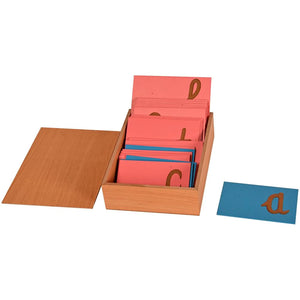
Pouring water strengthens foundational skills like concentration, fine motor control, and independence, which are vital for engaging with other Montessori materials like sandpaper letters or the pink tower. It's a stepping stone that builds readiness for more complex academic work, reflecting holistic child development India.
Is it safe to let toddlers pour water in the kitchen?
With appropriate supervision and child-friendly tools, yes. Ensure the area is safe, clear of electrical appliances, and the child is using non-breakable items initially. It’s an excellent way to involve them safely in everyday kitchen activities, a common practice in Indian homes.
Empowering your child with such simple, everyday tasks can truly transform their development. Explore our range of Montessori educational toys at SkilloToys.com to support your child's journey towards independence and joyful learning.