Loose Parts Play for Indian Children: What to Collect
In Indian homes, where often generations live together and everyday objects hold stories, there’s a unique opportunity for enriching a child's world with simple treasures. We're talking about loose parts play for Indian children – an imaginative approach that transforms ordinary items into extraordinary tools for learning and creativity. It’s about offering open-ended materials that children can use, move, combine, redesign, and take apart in countless ways, fostering independence and problem-solving skills right in your living room.
What Exactly is Loose Parts Play?
Loose parts play is the act of providing children with a collection of versatile, open-ended materials that have no specific instructions or prescribed use. This works because it taps into a child's natural curiosity and desire to explore, manipulate, and create, rather than simply follow directions. Parents can encourage this by gathering safe, everyday items and presenting them invitingly, allowing the child to lead their own discovery.
Originating from the theories of architect Simon Nicholson, the concept aligns beautifully with Maria Montessori's philosophy of prepared environments and child-led learning. It’s a wonderful complement to traditional Montessori materials, encouraging divergent thinking and fostering a deep understanding of properties like weight, texture, sound, and form. For Indian parents exploring Montessori at home, loose parts offer an accessible and culturally relevant way to engage their little ones.
The Magic of Loose Parts in Indian Homes
Imagine your child using an old bangle as a wheel, small pebbles as counting stones, or a dupatta piece as a cape for a doll. This is the beauty of loose parts. They invite children to be the architects of their own play, developing crucial skills like fine motor coordination, spatial awareness, logical thinking, and imaginative storytelling. In a joint family setting, older siblings or even grandparents can join in, sharing stories and demonstrating uses, enriching the child's learning experience.
Loose parts also provide a sensory feast, appealing to all senses. The smooth coolness of a river stone, the rustle of dry leaves, the jingle of bells, the earthy smell of spices – these are all profound sensory experiences that aid in holistic child development in India. And best of all, they're often free or inexpensive, making quality educational toys for toddlers accessible to all.
Treasure Hunt: What to Collect for Loose Parts Play
The beauty of loose parts is that your home, backyard, or local market is a treasure trove. Here’s a guide to collecting items perfect for Montessori learning activities:
Natural Wonders from Around Us
- Stones & Pebbles: Small, smooth river stones or colourful pebbles from a park. Wash them well!
- Leaves & Flowers: Dried leaves, fragrant tulsi or neem leaves, colourful flower petals from puja offerings.
- Seeds & Pods: Large, clean seeds like tamarind seeds, almond shells, or dried pea pods.
- Twigs & Small Branches: Clean, smooth pieces of wood.
- Shells: If you live near a coast, small, unbroken shells.
Kitchen & Pantry Treasures
- Pulses & Grains: Rajma, chana, dried peas, pasta shapes. (Supervise closely for younger children to prevent ingestion).
- Bottle Caps & Corks: Clean plastic or metal bottle caps, wine corks.
- Utensils: Small steel katoris, spoons, ladles, old cookie cutters, wooden spatulas.
- Spice Box Elements: Empty, clean masala daani compartments (without spices).
- Empty Containers: Small, clean plastic or metal boxes, teacups (unbreakable ones).
Everyday Household Items
- Fabric Scraps: Pieces of old cotton dupattas, sari borders, soft cloths.
- Buttons & Beads: A collection of different sized and coloured buttons, large wooden beads.
- Bangles & Ribbons: Old glass bangles (ensure they are unbroken and safe), colourful ribbons.
- Cardboard Tubes: From toilet paper or kitchen rolls.
- Keys: Old, unused keys.
- Small Boxes: Matchboxes, jewellery boxes, small packaging boxes.
Repurposed & Recycled Goodies
- Cardboard Pieces: Cut from delivery boxes, cereal boxes.
- Newspaper & Magazines: For tearing, scrunching, or making paper balls.
- Small Tins: Clean, empty tea tins or biscuit tins.
- Plastic Bottles: Clean, empty small plastic bottles (e.g., from sanitiser, water).
Enhancing with Montessori Sensorial Materials
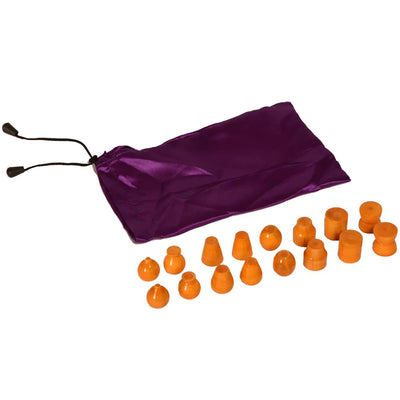
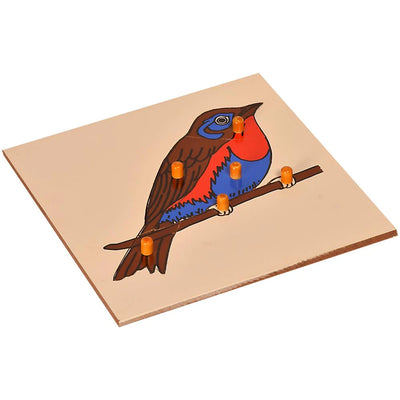
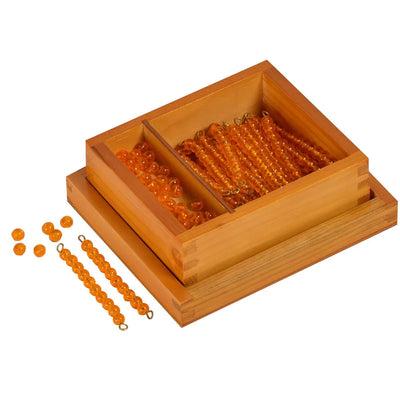
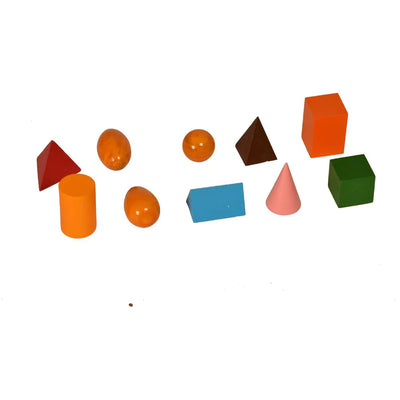
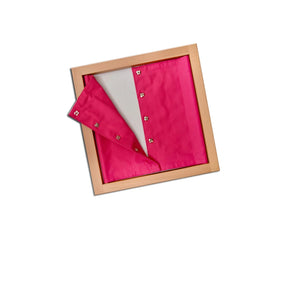
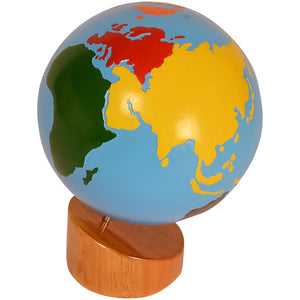
While loose parts are fantastic on their own, they also beautifully complement traditional Montessori sensorial materials. Consider introducing items like our Montessori Sensorial Materials, which offer specific learning objectives for developing discrimination of colour, shape, size, and texture. These can be integrated with your collected loose parts to create richer, more guided exploration opportunities, perfect for your Montessori at home India setup.
Setting Up Your Loose Parts Play Area
Presenting loose parts invitingly is key. Use small baskets, trays, or cloth bags to organise them. A designated shelf or corner in your home can become your child's 'creation station'. Remember, less is often more – rotate items to keep interest high. Always ensure the items are clean, safe, and age-appropriate, especially for infants and toddlers who might put things in their mouths.
The role of the parent is to observe, facilitate, and marvel at the child's discoveries. Resist the urge to direct their play or show them 'how' to use an item. The magic happens when they figure it out themselves. This approach nurtures their intrinsic motivation and builds confidence, crucial elements in a child's early development.
Loose parts play is an empowering and enriching experience for children, fostering creativity, problem-solving, and independence using everyday items.
Key Takeaways
- Loose parts are open-ended, everyday items that encourage imaginative, child-led play.
- They align with Montessori principles by supporting self-directed learning and exploration.
- Common items from nature, kitchen, household, and recycled materials make excellent loose parts for Indian children.
- This play style enhances fine motor skills, cognitive development, and sensory discrimination.
- Parents should provide a safe, organised, and rotating collection of loose parts, observing rather than directing play.
- Loose parts complement structured Montessori materials, enriching a child's overall learning journey.
Frequently Asked Questions About Loose Parts Play
What age is loose parts play best suited for?
Loose parts play is beneficial for children across all age groups, from infants (with careful supervision and large, safe items) to school-aged children. For 0-6 year olds, it’s particularly crucial for developing foundational cognitive and motor skills.
Is loose parts play safe for toddlers and infants?
Yes, with appropriate selection and supervision. For toddlers and infants, choose larger items that cannot be easily swallowed and avoid anything with sharp edges or small detachable pieces. Always supervise closely during play.
How does loose parts play align with Montessori principles?
Loose parts play aligns perfectly with Montessori's emphasis on a prepared environment, child-led activity, and the development of concentration and independence. It allows children to explore properties of materials and build their own understanding of the world, much like many Montessori sensorial exercises.
Do I need to buy special toys for loose parts play?
Absolutely not! The essence of loose parts play is using everyday, readily available items from your home, garden, or local surroundings. While SkilloToys offers fantastic Montessori materials, many loose parts can be collected for free or very low cost.
Embracing loose parts play is an invitation to see the world through your child's eyes – full of potential and wonder. At SkilloToys.com, we believe in supporting every step of your child's developmental journey with thoughtfully designed Montessori-inspired educational toys that complement the rich, open-ended experiences you create at home.