Maria Montessori: Italy's First Female Doctor
Imagine a world where women doctors were unheard of, where societal norms heavily restricted their professional aspirations. It was in this very challenging landscape that Maria Montessori, the visionary behind the educational approach we cherish today, achieved something extraordinary: she became the first female doctor in Italy. This incredible feat, accomplished in 1896, wasn't just a personal triumph; it profoundly shaped her understanding of children and laid the groundwork for the transformative Montessori method.
Maria Montessori was not just an educator; she was a medical doctor and scientist who applied her clinical observation skills to understand how children truly learn and develop. This unique perspective allowed her to see beyond conventional teaching methods, identifying the child's inherent drive for self-construction and the critical role of a supportive environment. Parents can draw inspiration from her scientific approach by observing their own child's natural inclinations and creating a 'prepared environment' at home, filled with stimulating and age-appropriate educational toys.
From Clinic to Classroom: A Visionary's Journey
Her medical training instilled in Maria Montessori a rigorous scientific approach. Working initially with children deemed 'uneducable' in psychiatric clinics, she didn't see deficits but rather potential waiting to be unlocked. She meticulously observed how children interacted with their surroundings, noting their periods of intense concentration, their desire for purposeful activity, and their natural progression through developmental milestones. This direct observation, a cornerstone of medical practice, became the foundation of her pedagogical theories.
This deep understanding of human physiology and psychology meant she approached education not as filling an empty vessel, but as assisting the natural unfolding of a child's capabilities. For parents exploring Montessori at home in India, this perspective is vital. It encourages us to trust our child's innate wisdom and provide tools that cater to their specific developmental needs, much like a doctor prescribes medicine for a particular ailment.
The Doctor's Prescription for Learning
Montessori's medical background gave her unparalleled insight into how the senses develop and how movement is crucial for learning. She understood that a child learns through doing, through touching, feeling, and exploring. Her 'prepared environment' isn't just a pretty room; it's a carefully designed space, much like a doctor's clinic is set up for specific procedures, where every element supports a child's independent learning and growth.
Consider the emphasis on practical life activities in Montessori. From sweeping a small area in an Indian home to washing vegetables for a family meal, these activities are not just chores; they are exercises in concentration, coordination, and independence. Maria Montessori recognized that mastering such tasks builds self-esteem and order, essential for healthy child development in India. This approach mirrors how a doctor might recommend specific exercises for physical well-being.
Montessori at Home India: Doctor's Insights for Everyday Parenting
Applying Montessori principles in an Indian household, whether a bustling joint family or a cozy apartment, becomes incredibly insightful with Maria Montessori's medical lens. Understanding sensitive periods – windows of intense interest for specific skills like language or order – allows parents to offer the right materials at the right time. Just as a doctor advises on timely vaccinations, Montessori guides us on timely learning opportunities.
Her work teaches us that tantrums often stem from unmet developmental needs or a lack of ability to communicate, not just naughtiness. By providing purposeful work and fostering independence, parents can empower their toddlers. Offering educational toys for toddlers that are truly engaging and allow for self-correction can transform frustration into focused learning. Think of a toddler meticulously arranging their clothes or helping with festival preparations – these are moments of deep satisfaction.
Nurturing Language and Logic, Montessori Style
Maria Montessori's observations of how children absorb language fascinated her. She understood that the mind of a young child is like a sponge, soaking up every sound, word, and grammatical structure from their environment. Her approach to language development is systematic yet natural, moving from concrete experiences to abstract concepts.
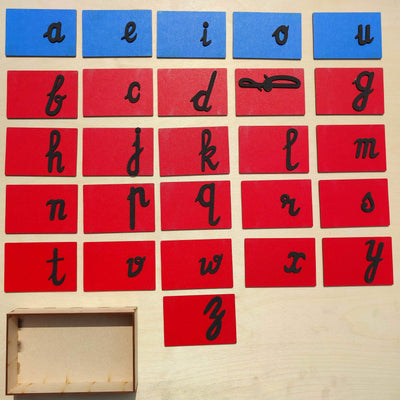
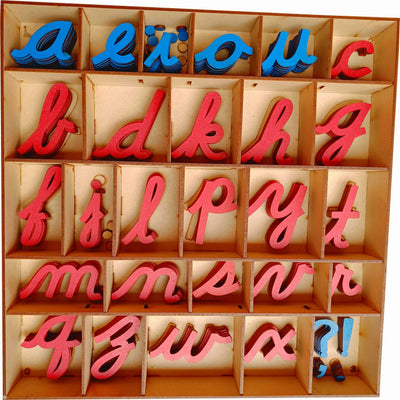
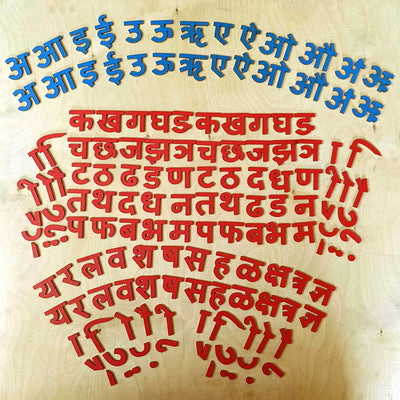
In Indian homes, where often multiple languages are spoken, Montessori language materials like Movable Alphabets or Sandpaper Letters become invaluable. These materials help children grasp phonetics and word formation through tactile exploration, making learning Hindi, English, or any regional language an engaging and hands-on experience. This scientific progression ensures a strong foundation in literacy, much like building blocks for a healthy physique.
Beyond Academics: Holistic Child Development in Indian Homes
What Maria Montessori observed as a doctor was the interconnectedness of mind and body. She championed an education that nurtured the whole child – their intellectual, emotional, social, and physical self. This holistic view is particularly resonant in the Indian context, where family values and community play such a significant role in a child's upbringing.
Whether it's learning to pour water without spilling for their grandparents, or carefully arranging flowers for a puja, these Montessori learning activities foster concentration, respect, and a sense of contribution. Her medical insight reminds us that a child's self-esteem and inner discipline are as crucial as their academic achievements for long-term well-being and a joyful life.
Key Takeaways
- Pioneering Spirit: Maria Montessori was Italy's first female doctor, breaking significant societal barriers in 1896.
- Scientific Observation: Her medical background informed her meticulous observation of children, leading to the Montessori method.
- Prepared Environment: Montessori classrooms and homes are designed to support a child's natural drive for self-learning and independence, much like a doctor prepares a healing space.
- Holistic Development: The Montessori approach, rooted in her medical understanding, focuses on the physical, intellectual, emotional, and social development of the child.
- Practical Application: Her insights offer valuable guidance for parents in India to foster independence, concentration, and a love for learning using age-appropriate materials and activities.
Frequently Asked Questions
What made Maria Montessori unique as a doctor?
Maria Montessori's uniqueness as a doctor lay in her scientific rigor combined with a deep empathy for children, especially those with special needs. She was not just treating symptoms but seeking to understand the underlying developmental processes and potential.
How does her medical background influence the Montessori method?
Her medical background profoundly influenced the Montessori method by emphasizing meticulous observation, understanding specific developmental stages, the importance of engaging the senses, and the concept of a 'prepared environment' to support a child's natural growth, much like a doctor creates conditions for healing.
Can Montessori principles be applied in busy Indian households?
Absolutely! Montessori principles like fostering independence, respecting the child, and providing practical life activities are highly adaptable. Simple things like involving children in daily chores, allowing them to choose activities, and creating a clutter-free space can easily be integrated into Indian homes, even with joint families or limited space.
What are some key Montessori materials for early child development?
Key Montessori materials for early child development include Practical Life materials (like pouring and spooning sets for coordination), Sensory materials (such as the Pink Tower or Brown Stair for refining senses), and Language materials (like Sandpaper Letters and Movable Alphabets for literacy), all designed to engage specific developmental stages.
Maria Montessori's journey from a trailblazing doctor to a world-renowned educator reminds us that understanding children on a deeper, scientific level unlocks their true potential. At SkilloToys.com, we are inspired by her legacy to bring you educational toys and materials that empower your child's innate drive to learn and explore, right here in India.