Maria Montessori: Italy's First Female Doctor & Her Legacy
When you think of Montessori, you likely picture beautiful wooden toys, children immersed in focused play, and a profound respect for a child’s natural development. But did you know the visionary behind this global educational philosophy had an equally groundbreaking start to her career? It’s a lesser-known fact that Maria Montessori was the first female doctor in Italy, achieving this incredible feat in 1896. This remarkable beginning as a physician deeply shaped her understanding of children and ultimately led to the revolutionary Montessori method we cherish today.
So, what exactly is the Montessori method, and how did a medical doctor become its architect? At its core, the Montessori method is a child-centred educational approach that champions independence, respect for a child's natural psychological, physical, and social development. This unique approach works because it allows children to learn at their own pace, fostering intrinsic motivation and a lifelong love for learning. Parents in India, observing their child's natural curiosity and providing a thoughtfully prepared environment with appropriate materials, can witness remarkable growth and self-discovery.
Dr. Montessori's Journey: From Medicine to Educational Pioneer
Maria Montessori's path was anything but conventional. In a time when women pursuing higher education, let alone medicine, was almost unheard of, she broke barriers with determination and intellect. Her medical practice, particularly her work with children in psychiatric clinics, provided her with invaluable insights. She observed these children with a clinician’s eye, noting their spontaneous interests, their need for purposeful activity, and their capacity for self-directed learning when given the right environment and tools. These medical observations were the fertile ground from which her pedagogical theories bloomed.
Her initial work focused on children with special needs, where she saw not deficiencies, but untapped potential. She realized that by providing stimulating materials and freedom within limits, these children, often deemed uneducable, could thrive. This success prompted her to apply her methods to typically developing children, opening her first 'Casa dei Bambini' (Children's House) in Rome in 1907. Her medical background equipped her with a scientific approach to education, emphasising careful observation and systematic experimentation – principles that remain central to Montessori learning even in our bustling Indian homes.
The Prepared Environment: A Doctor's Prescription for Learning
Just as a doctor carefully prepares a sterile environment for healing, Dr. Montessori meticulously designed a "prepared environment" for learning. This isn't just a room full of toys; it’s a thoughtfully arranged space where every item has a purpose, is accessible to the child, and invites engagement. Think of it as a meticulously organised laboratory for young minds. This environment, rich with developmentally appropriate activities, allows children to explore, discover, and master skills independently.
For Indian parents, creating a prepared environment doesn't require a large house. Even in a compact apartment in Bengaluru or a cozy corner in a joint family home, you can designate a child-friendly space. Low shelves, small tables, and organised trays with specific activities, from polishing a brass diya to sorting lentils, can foster independence. Exploring quality Montessori method learning materials and toys from SkilloToys.com can significantly aid in setting up such an environment, designed to spark curiosity and purposeful play.
Montessori at Home India: Fostering Independence from Early Years
Bringing Montessori principles into an Indian home is wonderfully natural, as many of our traditions already align with its core values of practical life skills and community involvement. From helping grandma roll rotis to arranging flowers for a festival, children can participate meaningfully in daily life. These simple activities become powerful Montessori learning activities, refining fine motor skills, concentration, and a sense of responsibility – crucial for holistic child development in India.
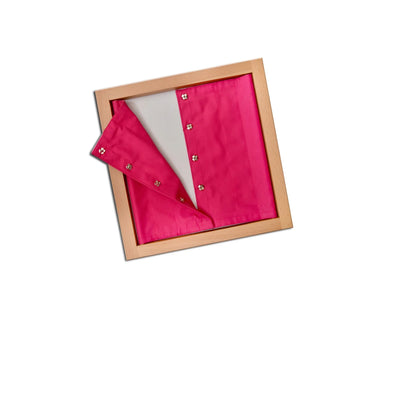
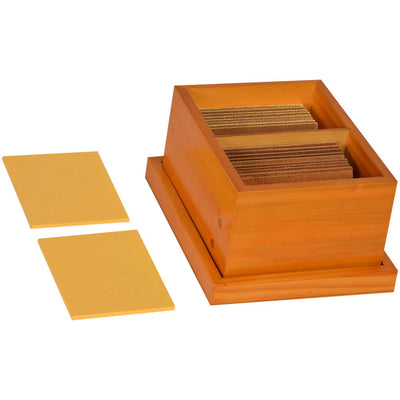
For toddlers, introducing age-appropriate tasks like buttoning a shirt or pouring water can build self-confidence. Educational toys for toddlers, especially those that encourage problem-solving and sensory exploration, are key. For instance, our Indian culture is rich with storytelling and diverse languages. Montessori’s approach to language, which often begins even before reading, can be seamlessly integrated. Materials like Montessori language materials – such as Sandpaper Letters or the Movable Alphabet – can introduce children to vernacular scripts or English with tactile engagement, making learning multi-sensory and enjoyable for multilingual homes.
Why Dr. Montessori's Medical Insights Still Matter
Dr. Montessori's medical background gave her an unparalleled understanding of human development, from a biological and psychological perspective. She didn't just teach children; she observed their developmental stages like a physician observing a patient, noting their sensitive periods for learning specific skills. This scientific precision is why Montessori education is so effective – it aligns with how children naturally learn and grow.
Her emphasis on observation, freedom of movement, and the absorbent mind of the child stems directly from her medical and scientific training. She understood that a child is not an empty vessel to be filled, but an active participant in their own development. This profound insight, rooted in her groundbreaking medical journey, continues to empower millions of children worldwide, including those right here in India, to reach their fullest potential.
Key Takeaways
- Maria Montessori was not just an educator but also Italy's first female doctor, a trailblazer in her time.
- Her medical training, especially observing children, profoundly influenced the development of the Montessori method.
- The Montessori approach emphasises a 'prepared environment' and freedom within limits, stemming from a scientific understanding of child development.
- Parents in India can integrate Montessori principles easily by involving children in daily tasks and providing purposeful educational materials.
- Montessori education fosters independence, concentration, and a lifelong love for learning, crucial for holistic child development.
Frequently Asked Questions
Was Maria Montessori the first female doctor in the world?
While Maria Montessori was a true pioneer, she was the first female doctor in Italy, not the world. The very first woman to earn a medical degree in the world was Elizabeth Blackwell, who graduated in the USA in 1849.
How did Dr. Montessori's medical background influence her teaching methods?
Her medical background instilled a deep scientific approach, focusing on meticulous observation, experimentation, and respect for individual developmental stages. She applied her understanding of human anatomy and psychology to create an educational system that aligns with a child's natural learning process.
Can Montessori be practiced effectively in an Indian home setting?
Absolutely! Montessori principles are highly adaptable. By focusing on creating a prepared environment, encouraging practical life skills through daily chores, and providing open-ended, age-appropriate educational toys for toddlers, Indian parents can effectively implement Montessori at home, irrespective of space.
What are some key Montessori materials for child development?
Key Montessori materials include Practical Life exercises (like pouring, buttoning), Sensorial materials (like the Pink Tower, Knobbed Cylinders for refining senses), and Language materials (such as Sandpaper Letters, Movable Alphabet for literacy). These are designed to be self-correcting and promote independent learning across various developmental areas.
Dr. Maria Montessori's journey from Italy's first female doctor to a globally celebrated educational reformer is truly inspiring. Her legacy reminds us that understanding children's innate needs is paramount to their development. At SkilloToys.com, we are dedicated to providing high-quality, authentic Montessori educational toys that support this incredible journey for your child, right here in India.