Mastering Mixed Age Learning at Home, the Montessori Way
In many Indian homes, it's a common and beautiful sight to see children of various ages growing up together. From tiny tots to energetic preschoolers, siblings often share spaces, stories, and sometimes, even squabbles! If you’re a parent exploring or already practicing Montessori at home, the idea of managing mixed age learning at home might seem daunting at first. How do you cater to a curious toddler’s need for exploration while also supporting an older child’s emerging literacy? The Montessori philosophy offers a wonderful, time-tested approach that not only makes this possible but transforms it into a rich, collaborative experience for everyone.
So, what exactly is mixed-age learning in the Montessori context? It’s a dynamic educational model where children of different ages (typically a three-year span, like 0-3 or 3-6 years) learn together in the same environment. This works because it mirrors real-life family dynamics, allowing older children to naturally take on mentorship roles, reinforce their own learning by explaining concepts, and develop empathy. Younger children, in turn, are inspired by observing their older peers, extending their own concentration spans and learning complex tasks through imitation. Parents can facilitate this by thoughtfully preparing the home environment and trusting their children's innate drive to learn from each other.
Creating Your Prepared Environment for Diverse Ages
The cornerstone of Montessori is the 'Prepared Environment,' and for mixed ages, this means creating a space that caters to varying developmental stages simultaneously. Imagine your living room or a dedicated play area, not just as a space for toys, but as a mini-classroom designed for independent discovery. In an Indian apartment or a joint family home, this might mean optimising existing nooks rather than needing an entire room.
Designing Age-Appropriate Zones
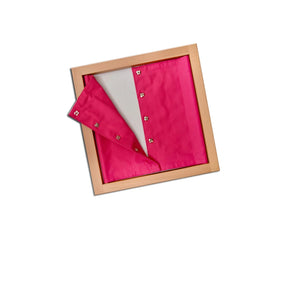
Designate specific zones or shelves for different types of activities. A low shelf with a few carefully chosen practical life Montessori materials like a small sweeping set, a pouring activity, or a lacing frame can engage a toddler. Nearby, another shelf might hold more complex items like Sandpaper Letters or a Movable Alphabet for a preschooler, encouraging early language development. Ensure everything is accessible to the child who will use it, with materials stored at their eye level.
Freedom Within Limits
While children have freedom to choose activities, this freedom comes with responsibility. Teach all children, regardless of age, to return materials to their proper place after use. This orderliness is crucial for a mixed-age environment, as it ensures materials are available and tidy for the next child. Older children can model this beautifully for younger siblings, fostering a sense of shared ownership and respect for the space.
Nurturing Independence and Collaboration
One of the most profound benefits of mixed age learning at home is the natural fostering of both independence and collaboration – vital aspects of child development in India. When an older child is engrossed in building a Pink Tower, a younger sibling might observe quietly, learning indirectly. Later, the older child might spontaneously offer to help the younger one with a simpler block task, building confidence in both.
The Mentor-Mentee Relationship
In a mixed-age setting, older children naturally become mentors. Explaining a concept or demonstrating how to use a material to a younger sibling solidifies their own understanding and builds their leadership skills. For example, a 5-year-old showing a 2-year-old how to correctly use a spoon for scooping dal or arranging flowers for a small home puja isn't just a chore; it’s a meaningful learning interaction that strengthens sibling bonds and responsibility.
Observation as a Learning Tool
Younger children benefit immensely from observing their older siblings. They learn about sequencing, concentration, and problem-solving without direct instruction. This passive learning is incredibly powerful, preparing them for tasks they will undertake themselves later. This mirrors the joint family environment where younger cousins often learn from older ones.
Meaningful Montessori Activities for All
The beauty of Montessori learning activities is their adaptability. Many core materials can be presented in simplified ways for younger children or with added complexity for older ones. SkilloToys.com offers a range of Montessori learning activities designed to cater to these varying needs.
Practical Life: A Shared Experience
Practical Life activities are perfect for mixed ages. A 2-year-old can practice transferring lentils with a spoon, while a 5-year-old might be involved in more complex tasks like peeling vegetables for dinner, folding laundry, or even helping prepare ingredients for a festival sweet. These activities build fine motor skills, concentration, and a sense of contribution to the household, deeply embedded in the Indian family ethos.
Sensorial Exploration Across Ages
Sensorial materials like the Broad Stair or Knobbed Cylinders can be used by various ages. A toddler might simply explore the textures and sizes, while an older child categorises them or uses them to understand mathematical concepts. The key is to allow each child to engage at their own developmental level, without comparison.
Language and Math Foundations
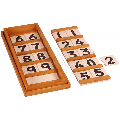
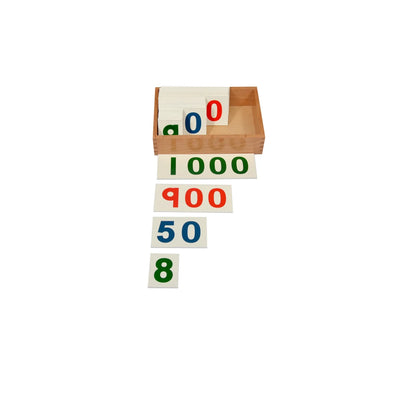
For language, a younger child might work with animal figurines and nomenclature cards, while an older one might be introduced to Sandpaper Letters or the Movable Alphabet. Similarly, for math, a 3-year-old could count beads, and a 5-year-old could explore the number rods or introduce them to the concept of quantities and symbols. This progression supports each child’s individual pace.
Embracing Observation and Adaptation
Your role as a parent is primarily that of an observer. Watch how your children interact with materials and with each other. When do they collaborate? When do they prefer independent work? This keen observation guides you in refining the environment and introducing new challenges. Remember, the goal isn't perfect harmony all the time, but rather a space where each child feels respected and challenged at their own level. It's about fostering their natural love for learning and respecting their unique developmental milestones.
Key Takeaways for Mixed Age Learning at Home
- **Create a Thoughtful Prepared Environment:** Designate clear zones and accessible shelves for different age-appropriate Montessori materials and activities.
- **Embrace Practical Life:** Involve all children in daily chores, adapting tasks to their skill levels, fostering contribution and fine motor development.
- **Nurture Sibling Mentorship:** Encourage older children to model and teach, reinforcing their own learning and building leadership skills.
- **Value Observation:** Allow younger children to learn by watching their older siblings, enhancing their concentration and readiness for complex tasks.
- **Promote Freedom with Responsibility:** Teach children to choose activities independently and return materials, fostering order and respect for the shared space.
- **Focus on Individual Pace:** Understand that each child will engage with Montessori learning activities at their own developmental stage, without comparison.
Frequently Asked Questions About Mixed Age Learning
How do I ensure each child gets individual attention in a mixed-age setting?
While children learn collaboratively, dedicate specific times for individual presentations or focused one-on-one interaction with each child. This ensures their unique needs are met and new Montessori learning activities are introduced appropriately.
What if my children fight over materials or space?
Conflicts are natural. Teach children grace and courtesy from an early age, including waiting for a material to be free or offering to share. Having duplicates of popular items or rotating materials can also help reduce friction.
Can I implement mixed-age Montessori in a small Indian apartment?
Absolutely! The Montessori philosophy is about smart organisation, not vast space. Utilise vertical space with shelves, rotate materials frequently, and define clear activity zones even within a single room. Involve grandparents in setting up simple activities too!
How can I involve grandparents or other family members in this setup?
Grandparents can be wonderful partners! Teach them about respecting the child’s work and allowing independence. They can assist with practical life activities, read stories, or simply observe, providing a supportive presence without interfering with a child’s concentration.
Embracing mixed age learning at home, the Montessori way, is a journey of discovery for both you and your children. It’s about building a harmonious, respectful, and enriching environment where every child, from toddler to preschooler, can thrive independently and collaboratively. Explore our curated selection of educational toys for toddlers and preschoolers at SkilloToys.com to support your unique home learning journey.