Montessori Children Excel in Executive Function Studies
As parents in India, we all dream of our children growing up to be capable, confident, and well-adjusted individuals. We want them to not just excel academically but also navigate life's challenges with grace. It's truly fascinating to learn that studies consistently show Montessori children score higher in executive function studies compared to their peers in traditional settings. This isn't just a coincidence; it's a testament to the powerful, child-centric approach Dr. Maria Montessori pioneered.
So, what exactly is executive function? Executive function refers to a set of mental skills that include working memory, flexible thinking, and self-control. These skills are essential for managing daily life, learning, and interacting with others. They help children plan, focus attention, remember instructions, and juggle multiple tasks successfully. For parents, understanding this means recognizing the foundational skills that underpin academic success and emotional regulation.
The Montessori Advantage: Building Brain Power Naturally
The Montessori environment is intentionally designed to cultivate these vital executive functions from a very young age. It’s not about rote memorisation or endless worksheets; it’s about purposeful activity and freedom within limits. This method naturally nurtures the neural pathways responsible for complex thinking and self-regulation.
Self-Directed Learning Cultivates Decision-Making
In a Montessori classroom or a well-prepared home environment, children are given the freedom to choose their own work from a range of developmentally appropriate activities. This autonomy is crucial for developing executive functions. When a child chooses to engage with a Montessori learning material, they are exercising their planning and decision-making skills.
This process of choosing, initiating, and completing a task strengthens their ability to set goals and work towards them. It's a foundational skill for future academic and life success. Even in a small Indian apartment, offering a curated selection of choices can empower your child immensely.
Practical Life Activities Foster Focus and Sequence
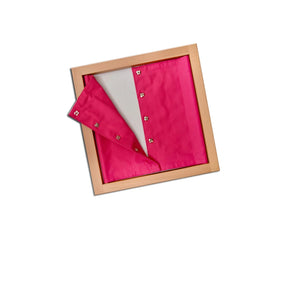
Montessori's Practical Life activities are a cornerstone of executive function development. Simple tasks like pouring water, sweeping the floor, buttoning a shirt, or even arranging a small puja thali at home require a sequence of steps, concentration, and fine motor control. These activities might seem mundane, but they are incredibly powerful.
When a child meticulously folds their clothes, just like they see their grandmother doing, they are practicing sustained attention and following a multi-step process. This builds their working memory and ability to inhibit distractions, core components of executive function. Parents exploring Montessori sensorial materials will find these activities are equally engaging and beneficial.
Sensorial Exploration Enhances Cognitive Flexibility
The exquisite Montessori sensorial materials—like the Pink Tower, Red Rods, or geometric solids—are designed to isolate qualities such as dimension, colour, and shape. Children learn to differentiate, classify, and order these attributes through hands-on exploration. This repeated engagement refines their perception and logical thinking.
Engaging with these materials helps children develop cognitive flexibility – the ability to switch perspectives and adapt to new situations. For instance, classifying objects by size and then by colour requires flexible thinking. This is vital for problem-solving and adapting to new concepts in learning, a key aspect of child development in India.
The Prepared Environment Cultivates Order and Self-Regulation
A hallmark of Montessori is the 'prepared environment,' which is orderly, accessible, and aesthetically pleasing. Each material has its specific place, promoting a sense of calm and structure. This external order helps children develop internal order, a crucial aspect of self-regulation.
When children return materials to their proper spots after use, they are not just tidying up; they are internalizing a system of order and responsibility. This simple act reduces cognitive load, allowing their minds to focus on the task at hand rather than searching for items, a practical lesson for any Montessori at home India setup.
Uninterrupted Work Cycles Build Concentration
Montessori education emphasizes long, uninterrupted work periods, typically 2-3 hours. During this time, children can delve deeply into chosen activities without arbitrary interruptions. This fosters deep concentration, sustained attention, and the ability to complete tasks from beginning to end.
This deep engagement is how children develop the capacity for 'flow,' a state of complete absorption in an activity. This focused attention is a powerful predictor of academic success and is fundamental to strong executive functions. Encouraging this at home, perhaps during quiet afternoons, can be a wonderful form of Montessori learning activities.
Key Takeaways for Parents
- Montessori's emphasis on self-directed learning, practical life, and sensorial exploration directly enhances executive functions like planning, focus, and self-control.
- The prepared environment and uninterrupted work cycles cultivate internal order and deep concentration in children.
- These foundational skills are crucial for academic success, problem-solving, and emotional regulation throughout life.
- You can integrate Montessori principles at home by offering choices, involving children in daily chores, and providing age-appropriate educational toys for toddlers.
- Developing strong executive functions empowers children to become independent, adaptable, and resilient individuals.
Frequently Asked Questions About Montessori and Executive Function
What is executive function and why is it important for my child?
Executive function is a set of mental skills including working memory, flexible thinking, and self-control. These skills are vital because they enable children to plan, focus, remember instructions, and manage their behaviour, laying the groundwork for learning and life success.
How can I encourage executive function development in my child at home?
You can encourage it by creating a predictable routine, offering age-appropriate choices, involving them in practical life tasks like setting the table or watering plants, and providing materials that encourage problem-solving and concentration, such as puzzles or building blocks from SkilloToys.
Are Montessori materials specifically designed to help with executive function?
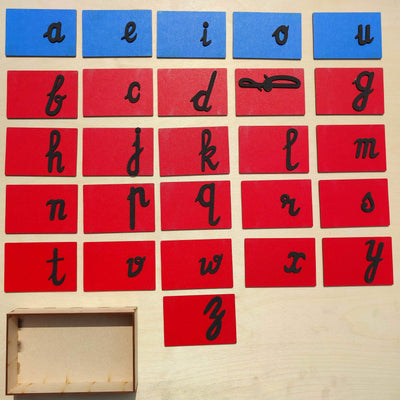
Yes, many Montessori materials are implicitly designed to develop executive function. For example, the Pink Tower requires sequencing and problem-solving, while Sandpaper Letters develop focus and tactile discrimination, all contributing to brain development.
Does Montessori teach impulse control?
Absolutely. Montessori fosters impulse control through activities that require patience and sequential completion, like carefully carrying a tray or waiting for a turn with a material. The emphasis on self-regulation and respecting the 'work cycle' directly teaches children to manage their impulses and delay gratification.
Understanding the 'why' behind Montessori's success can truly transform how we approach our children's education and development. By embracing these principles, whether in a school setting or through Montessori at home in India, we empower our children with the cognitive tools they need to thrive. SkilloToys.com is here to support you on this journey, providing high-quality, authentic Montessori educational toys that encourage independence and critical thinking.