Montessori Homeschooling India: Beginner's Guide
Embracing the journey of parenthood in India often comes with a unique blend of tradition and modern aspirations. Many of us dream of giving our children the best possible start, and for a growing number of Indian parents, that path leads to exploring Montessori homeschooling in India. It's a wonderful decision that allows you to nurture your child's innate curiosity and independence right within the familiar comfort of your home, whether it’s a bustling joint family setup or a cozy apartment in Bengaluru.
So, what exactly is Montessori homeschooling? At its core, Montessori is an educational philosophy developed by Dr. Maria Montessori that respects the child as an individual, capable of self-directed learning. Montessori homeschooling means creating a prepared environment at home where children, typically aged 0-6 years, can learn through hands-on activities, explore their interests, and develop at their own pace. This works because it taps into a child's natural drive to learn and explore, rather than imposing a rigid curriculum. Parents can act as guides, observing their child's needs and offering appropriate materials and support.
Setting Up Your Montessori Home Environment in India
Creating a 'prepared environment' doesn't mean transforming your entire home overnight. It's about intentional design that supports your child's independence. Think low shelves, child-sized furniture, and accessible materials. In Indian homes, this might mean designating a specific corner of the living room or a part of a bedroom that is just for your child, allowing them easy access to their Montessori method learning materials and activities.
De-clutter and Organise for Focus
A calm, organised space helps children focus. Consider rotating toys and materials regularly to keep things fresh and engaging. This prevents overwhelm and encourages deeper engagement with fewer items. In a smaller Indian apartment, vertical storage solutions or a sturdy low bookshelf can be a game-changer for keeping things tidy and accessible.
Embrace Practical Life Activities
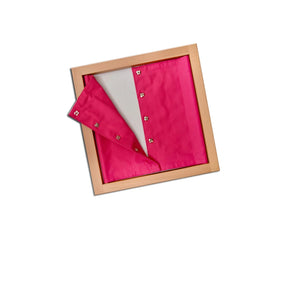
Montessori places a huge emphasis on 'Practical Life' skills, which are activities children observe adults doing daily. Think sweeping, pouring water, buttoning clothes, or preparing a simple snack. These activities are incredibly appealing to young children and build concentration, coordination, and a sense of contribution. For Indian parents, this is a beautiful way to integrate children into daily household routines, whether it's helping grandmothers sort lentils for dinner or washing small utensils after a meal. SkilloToys offers a wonderful range of practical life Montessori materials that are perfectly sized for little hands.
The Role of the Parent: Observer and Guide
In Montessori, the parent's role shifts from being a traditional 'teacher' to a 'guide'. This means observing your child carefully to understand their interests and developmental stage. When you notice your toddler showing interest in transferring objects, you can offer them a spoon and two bowls. If they're fascinated by letters, introduce sandpaper letters. This observation-led approach is key to understanding your child's unique learning journey and providing appropriate Montessori learning activities.
Respecting the Child's Pace and Choices
Each child develops at their own rhythm. Resist the urge to rush them or compare their progress to others. The Montessori philosophy celebrates this individuality. Allow your child to choose their activities and work for as long as they are engaged. This builds intrinsic motivation and a love for learning, which is crucial for long-term child development in India and beyond.
Choosing Montessori Materials and Educational Toys
While the Montessori philosophy can be implemented with everyday household items, specific Montessori materials are designed to isolate concepts and facilitate learning. These 'educational toys for toddlers' are self-correcting, meaning the child can discover their own errors without adult intervention, fostering independence. For instance, the Pink Tower teaches size discrimination, and sandpaper letters introduce letter sounds in a tactile way.
Sourcing Materials in India
You don't need to import everything! Many Indian brands, including SkilloToys, now offer high-quality, locally-made Montessori materials. Look for materials made from natural elements like wood, cotton, and metal. Also, don't underestimate everyday items: a simple 'rangoli' design can become a fine motor skill activity with lentils, or a traditional Indian kitchen 'chakla-belan' (rolling pin and board) can be used for child-sized dough work.
Integrating Montessori with Indian Family Life
Montessori principles blend beautifully with the rich cultural fabric of India. Respect for elders, community spirit, and a connection to nature are deeply ingrained in both. Encourage your child to participate in family rituals, help with festive preparations, or spend time gardening with grandparents. These are all authentic Montessori learning activities that foster a sense of belonging and practical skill development.
Grandparents as Learning Partners
In many Indian homes, grandparents play a vital role. Encourage them to be part of the Montessori journey by explaining the principles of child-led learning and independence. Their wisdom and patience can be invaluable, whether it's teaching traditional stories, helping with gardening, or simply spending quality time engaging with the child's chosen activities.
Key Takeaways for Starting Montessori Homeschooling
- Montessori homeschooling in India empowers children aged 0-6 through self-directed learning in a prepared home environment.
- Begin by decluttering and creating an accessible, child-friendly learning space within your existing home.
- Integrate practical life activities into daily routines, drawing inspiration from Indian household tasks and festivals.
- The parent's role is to observe, guide, and offer appropriate materials, respecting the child's pace and choices.
- Invest in quality Montessori materials or adapt everyday items to create engaging, self-correcting learning experiences.
- Embrace Indian cultural contexts, involving family members like grandparents in the learning journey.
Frequently Asked Questions About Montessori Homeschooling in India
Is Montessori homeschooling expensive to start in India?
Not necessarily. While authentic Montessori materials can be an investment, you can start with many DIY options using household items or source affordable, high-quality materials from Indian suppliers like SkilloToys. The philosophy is more important than acquiring every single material.
How do I balance Montessori homeschooling with a busy Indian household?
Start small and focus on consistency over intensity. Even dedicating 30-60 minutes daily to a prepared environment and child-led activities can make a significant difference. Involve family members, especially grandparents, who can support the child's independent work during busy times.
Can I do Montessori homeschooling in a small apartment?
Absolutely! Montessori is about intention, not space. Utilise vertical storage, rotate materials frequently, and designate a specific, accessible 'work area' for your child. The key is organisation and accessibility, even in compact spaces.
What age should I start Montessori homeschooling with my child?
Montessori principles can be applied from birth! For infants, it means a prepared nursery with mobiles and sensory experiences. For toddlers (1-3 years), focus on practical life skills and sensorial exploration. The 0-6 age range is considered foundational for developing concentration and independence.
Starting your Montessori homeschooling journey in India is a deeply rewarding experience, fostering a love for learning and independence in your child. Remember, it's a marathon, not a sprint, and every small step counts. At SkilloToys.com, we are committed to supporting Indian parents with high-quality, thoughtfully designed Montessori educational toys and materials that make this journey joyful and impactful.