Montessori Kids: Better Executive Function Skills?
As parents in bustling Indian homes, we constantly juggle schedules and the delightful chaos of our little ones. We all wish for our children to develop strong minds, capable of focus, planning, and problem-solving. It's a question many ask: do Montessori children really score higher in executive function studies? Research often suggests a resounding yes, deeply rooted in the Montessori approach to learning and child development in India.
Executive functions are a set of crucial cognitive skills: working memory, flexible thinking, and self-control. These mental architects help us plan, focus, remember instructions, and adapt. The Montessori environment specifically cultivates these from a young age. This works because the child-led, prepared environment encourages sustained attention and problem-solving through hands-on engagement. Parents can replicate elements at home by offering focused activities and fostering independence.
The Prepared Environment: A Nurturing Ground for Focus
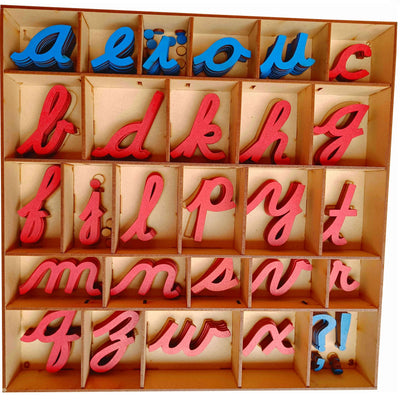
A cornerstone of the Montessori method is the 'prepared environment', a carefully thought-out space where everything has a purpose and is accessible. In an Indian home, this might mean a small, dedicated corner, free from overwhelming clutter. Each material, from the Sandpaper Letters to the Pink Tower, invites independent engagement, reducing distractions and cultivating sustained attention – a key component of executive function.
Practical Life Activities: Building Self-Control & Order
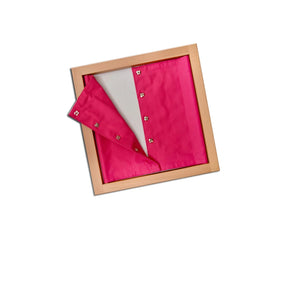
Toddlers often insist on "helping" with chores, driven by a natural desire for independence. Montessori's Practical Life activities harness this, offering tasks like pouring, sweeping, or folding clothes. Imagine your child sifting flour for a festive ladoo or arranging their shoes neatly. These activities demand sequential thinking, fine motor control, and perseverance, directly developing inhibitory control and working memory crucial for child development. Parents can introduce these using child-sized tools or traditional games, which also serve as excellent educational toys for toddlers.
Sensorial Exploration: Sharpening Cognitive Flexibility
Montessori Sensorial Materials refine each sense, helping children classify and understand their environment. Materials like the Weight Tablets or Knobbed Cylinders encourage precise discrimination. When a child matches textures or grades colours, they actively engage their cognitive flexibility – the ability to shift perspective and adapt. This process strengthens neural pathways, enabling children to think more abstractly and approach problems with greater adaptability. SkilloToys offers a wonderful range of Montessori sensorial materials for this vital exploration.
Freedom with Responsibility: The Montessori Way to Problem-Solving
In a Montessori setting, children have the freedom to choose their work and the time needed to complete it. This autonomy is freedom within limits, guided by respect for oneself and the environment. Materials often allow self-correction, teaching resilience and problem-solving without adult judgment. This iterative process of independent trying and succeeding is paramount for developing flexible thinking and planning skills. In a joint Indian family, fostering personal responsibility – perhaps by letting children manage a small plant or help with festival decorations – can be incredibly empowering.
Montessori Learning Activities: Cultivating Concentration in Indian Homes
Bringing Montessori learning activities home doesn't require a complete overhaul; it’s about mindful material selection and mindset. Encourage long, uninterrupted work cycles, allowing your child to immerse fully. This could be anything from beading for a puja garland to carefully arranging spices. Providing high-quality, open-ended educational toys and materials that invite deep engagement, rather than quick distraction, is key. Our comprehensive collection of Montessori method learning materials offers diverse options for various age groups, genuinely fostering concentration and executive functions.
Key Takeaways
- Executive functions are crucial cognitive skills including working memory, cognitive flexibility, and inhibitory control.
- Montessori's prepared environment fosters sustained attention and reduces distractions, nurturing focus.
- Practical Life activities build self-control, sequential thinking, and fine motor skills in young children.
- Sensorial materials enhance cognitive flexibility and discrimination through isolated sensory experiences.
- Freedom within limits promotes independence, problem-solving, and resilience through self-correction.
- The Montessori approach encourages deep concentration and sustained engagement, vital for developing strong executive functions.
Frequently Asked Questions
What age should I start focusing on executive functions?
Executive functions begin developing in infancy and continue through adolescence. The 0-6 age range is crucial for laying strong foundations, making early Montessori experiences particularly impactful.
Can I practice Montessori at home in India to boost executive functions?
Absolutely! Even in small apartments or joint families, creating a 'prepared environment' and offering practical life activities or Montessori learning activities adapted to your home can significantly support your child's development, embodying "Montessori at home India."
What are some simple Montessori activities for executive function at home?
Simple activities include pouring water, sweeping, matching socks, sorting pulses, or engaging with puzzles and stacking toys. These encourage focus, sequencing, and problem-solving, aligning with effective educational toys for toddlers.
How do Montessori materials specifically help executive functions?
Montessori materials are designed to isolate concepts, encourage self-correction, and allow for repeated practice. This structure directly develops working memory, fine motor control, cognitive flexibility, and sustained attention.
Is it okay if my child makes mistakes while learning these skills?
Mistakes are a vital part of the learning process in Montessori. Materials are often self-correcting, allowing children to discover solutions independently, building resilience and strengthening problem-solving skills without adult interference.
By understanding and implementing these core Montessori principles, you're equipping your child with lifelong skills essential for navigating our complex world. At SkilloToys.com, we are passionate about supporting Indian parents on this journey, providing authentic, high-quality Montessori resources to enrich your child's learning and development.