Montessori Language Arts at Home for Preschoolers
In the vibrant tapestry of an Indian home, where stories are shared across generations and festivals bring a symphony of new words, nurturing a child's language skills is a joy. If you're a parent exploring homeschooling, you might wonder how to integrate a structured yet playful approach. This is where a Montessori language arts curriculum for preschoolers at home truly shines, offering a beautiful pathway to literacy that respects your child's natural pace and curiosity.
The Montessori approach to language arts isn't just about teaching reading and writing; it's a holistic method that begins by developing a rich oral language foundation, refining auditory discrimination, and preparing the hand for writing, all before formal reading instruction. This works because it follows the child's natural sensitive periods for language acquisition, building skills step-by-step through concrete experiences. Parents can integrate this by creating a language-rich environment at home, using specific materials and engaging in thoughtful communication.
Laying the Foundation: Oral Language Development
Long before pencils and books, a child’s journey into language begins with listening and speaking. In Indian homes, this is often a natural process, with grandparents sharing folk tales (dadi/nani ki kahaniyan) and families engaging in lively discussions during meals or festivals. These everyday interactions are crucial Montessori learning activities.
Focus on rich conversations, describing objects, and expanding vocabulary. Ask open-ended questions, sing traditional lullabies or bhajans, and encourage your child to express their thoughts and feelings. This builds a robust internal dictionary and understanding of sentence structure, fostering strong communication.
Preparing for Writing: From Hand to Pencil
Writing is a complex skill that requires refined fine motor control and concentration. The Montessori method systematically prepares a child's hand and mind for this, understanding that child development India often benefits from hands-on, practical experiences. Many practical life activities found in Indian homes are perfect for this.
Activities like pouring water, spooning grains (think rice or pulses), kneading dough for rotis, or even sweeping a small area help develop hand-eye coordination and strengthen grip. Sensorial activities, such as exploring different textures or playing with rangoli powder, further refine touch and muscular memory, indirectly preparing for the delicate movements of writing.
The Magic of Sandpaper Letters
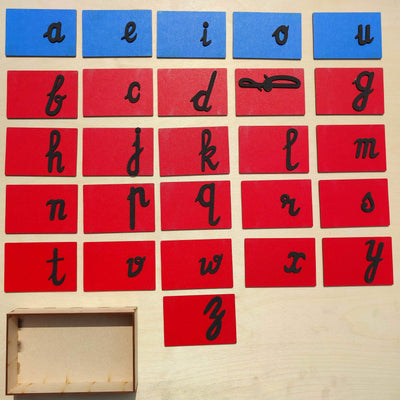
Once a child shows interest in sounds and shapes, Sandpaper Letters become invaluable. These tactile materials allow children to trace the letter shape while simultaneously hearing its phonetic sound. This multi-sensory approach embeds the sound and form deeply into their memory.
Children learn the sound each letter makes, not just its name, which is crucial for phonetic reading. They typically start with lowercase letters and short vowel sounds, laying a strong foundation before moving to more complex combinations. This concrete experience makes abstract symbols tangible and engaging.
Decoding and Encoding: The Path to Reading
With a solid understanding of individual letter sounds, children are ready to blend them into words. This is where the Montessori philosophy shines, providing educational toys for toddlers and preschoolers that naturally guide them to reading and writing.
The journey often begins with three-letter phonetic words (CVC words like "cat" or "sun"). The child uses their knowledge of sounds to decode, and later, to encode words, building them piece by piece. This analytical approach makes reading a logical and enjoyable puzzle rather than a memorization task.
Building Words with the Movable Alphabet
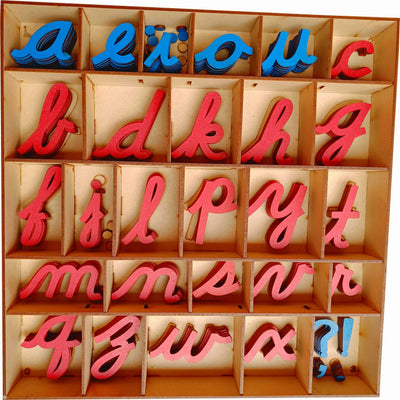
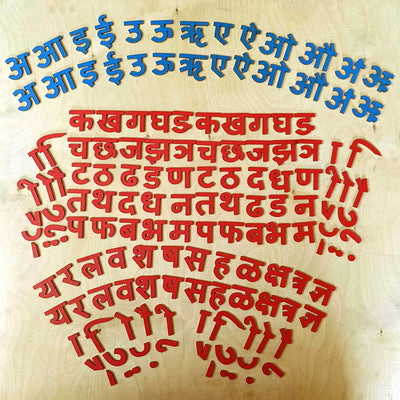
The Movable Alphabet is a cornerstone Montessori material for language development. It allows children to physically construct words and sentences using individual letter cut-outs, even before their hands are ready for sustained writing with a pencil.
By arranging the letters, children can express themselves in written form, reinforcing phonetic awareness and spelling. This bridges the gap between spoken words and written language, giving them a powerful tool for self-expression and understanding at their own pace.
Integrating Language Arts into Daily Indian Life
Bringing Montessori at home India means weaving learning into the fabric of everyday life. Use cooking as an opportunity to discuss ingredients and actions, or a visit to the local market to name fruits and vegetables in English and regional languages. Even during festivals, talk about the rituals, the stories behind them, and the special foods prepared.
Reading aloud daily, creating a cozy book corner even in a small apartment, and encouraging storytelling (perhaps with traditional Indian puppets or by creating simple comic strips) all contribute immensely. Remember, every interaction is a language lesson waiting to happen, rich with cultural nuances.
Key Takeaways for Montessori Language Arts at Home
- Montessori language arts fosters holistic language development, starting with a strong oral language foundation from birth.
- The curriculum respects the child's natural sensitive periods for language acquisition, building skills step-by-step through concrete experiences.
- Practical Life activities, often found in Indian household chores, are crucial for developing the fine motor skills necessary for writing.
- Sandpaper Letters introduce letter sounds tactically, preparing the child for phonetic reading and writing.
- The Movable Alphabet helps children build words phonetically and express themselves in written form before their hand is ready for sustained writing.
- Integrating language learning into daily routines, cultural contexts, and Indian festivals enhances engagement and relevance for children.
- A language-rich home environment, including rich conversations, storytelling, and reading aloud, is foundational to the Montessori approach.
Frequently Asked Questions
How early can I start Montessori language activities with my child?
Montessori language development truly begins from birth with rich oral language exposure, even before formal "activities." Structured materials typically start around 2.5-3 years, focusing on building a strong foundation through conversation, sound games, and practical life skills that prepare the hand and mind.
Do I need expensive Montessori materials for language arts at home?
While specific Montessori materials are highly effective, you can absolutely create many activities using everyday items found in an Indian home. Focus on the underlying principles of self-correction, concrete learning, and isolation of difficulty rather than strict material adherence. DIY versions and thoughtfully chosen educational toys are excellent alternatives.
How can I teach my child multiple languages using the Montessori method in India?
The Montessori method is excellent for multilingual homes. Introduce each language consistently, perhaps dedicating specific times or activities to one language, or having different family members speak different languages. The key is clear, rich, and consistent exposure to all desired languages, valuing each one equally and making learning a joyful experience.
What's the difference between phonics and the Montessori approach to reading?
Traditional phonics often introduces letter names and sounds simultaneously, sometimes relying on rote memorization or worksheets. Montessori typically isolates the sound first using tactile materials like Sandpaper Letters, then introduces the letter symbol, ensuring a clear, concrete understanding before blending sounds into words. It's a more hands-on, sensory-driven, and sequential approach.
My child speaks a regional language at home. How do I incorporate English?
Celebrate and nurture your child's regional language first, as a strong first language aids in acquiring others! Introduce English naturally through stories, songs, and conversations. You can label items in both languages around the home, read bilingual books, or have a specific family member speak only English. The Montessori approach values the child's linguistic heritage while supporting additional language acquisition seamlessly.
Embracing the Montessori language arts curriculum at home is a journey of discovery for both parent and child, rich with cultural connection and intellectual growth. At SkilloToys.com, we are committed to providing high-quality, authentic Montessori materials that support this beautiful journey, helping your child unlock their full linguistic potential with confidence.