Montessori Language Arts for Preschoolers at Home
As an Indian parent, you're likely already nurturing your child's first words with songs, stories from Dadi's lap, and conversations around the dinner table. If you're curious about giving a more structured yet equally loving approach to early literacy, then exploring a Montessori language arts curriculum for preschoolers at home could be a wonderful journey for your family.
It's about fostering a deep love for language, not just rote learning. Whether you're in a bustling joint family or a cozy apartment, the Montessori method offers adaptable ways to bring language alive for your little one.
What is Montessori Language Arts for Preschoolers?
Montessori language arts is a holistic approach that fosters a child's natural inclination towards communication, reading, and writing, often before formal schooling begins. This works because it respects the child's sensitive period for language acquisition (roughly from birth to six years), providing concrete materials and a prepared environment that allows them to discover language at their own pace. Parents can effectively guide their child through a series of engaging, hands-on activities that build foundational literacy skills step-by-step.
Building the Foundation: Preparing Your Home Environment
Creating a prepared environment is crucial in Montessori. For language arts, this means having materials readily accessible and organised. Even in a small apartment in Bengaluru, a dedicated low shelf with a few language materials can make all the difference.
Ensure books are within reach, facing forward, inviting your child to pick them up. This fosters independence and curiosity, which are cornerstones of Montessori learning activities. Think about a quiet corner where your child can focus without too many distractions.
Nurturing Spoken Language Development
Before reading and writing, spoken language is key. In Indian homes, this comes naturally through rich family interactions. Encourage conversations, ask open-ended questions, and truly listen to your child's responses.
Storytelling is a powerful tool. Grandparents often have a treasure trove of stories – Panchatantra tales, Jataka stories, or family anecdotes – perfect for rich oral language development. Encourage children to narrate their experiences from a visit to the local market or during a family festival like Diwali or Holi.
Reading aloud together daily, pointing to words as you go, and discussing the pictures helps expand vocabulary and comprehension. Choose books that reflect Indian culture and festivals to make it even more relatable for your child.
Introducing Written Language: Pre-Reading Skills
Once a child has a strong foundation in spoken language, they often show interest in written forms. Montessori introduces this through multi-sensory materials that engage sight, sound, and touch.
Sandpaper Letters: A Multi-Sensory Approach
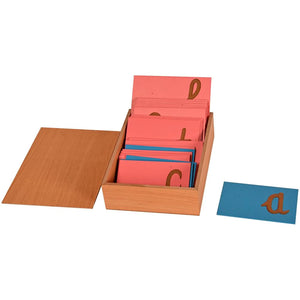
The Sandpaper Letters are iconic Montessori materials that introduce children to letter shapes and their corresponding sounds. Children trace the letter with their fingers while sounding it out, engaging tactile, auditory, and visual senses simultaneously.
This concrete experience helps internalise letter sounds far more effectively than simply looking at flashcards. For parents exploring Montessori at home in India, you could even create your own sandpaper letters using cardboard and fine sand or ragi flour paste, offering a wonderful DIY option.
The Movable Alphabet: Building Words
After mastering individual letter sounds, children progress to building words with the Montessori Movable Alphabet. This set of individual letters allows preschoolers to compose words, phrases, and even sentences before their fine motor skills are ready for writing.
It's a fantastic way to bridge the gap between knowing letter sounds and actually writing. Children can experiment with forming words, seeing how sounds come together, which is a powerful step in their literacy journey. These educational toys for toddlers make abstract concepts concrete and engaging.
Nurturing a Love for Reading and Comprehension
As children gain confidence with letter sounds and word building, they naturally move towards reading. Provide a variety of simple, phonetic books. In an Indian context, seek out books in regional languages too, helping your child connect with their cultural roots.
Encourage them to decode words themselves, offering gentle guidance when needed. Comprehension isn't just about reading the words; it's about understanding the story. Ask questions like, "What do you think happens next?" or "How did the character feel?" This builds critical thinking and a deeper connection to literature.
Montessori at Home India: Practical Tips
- **Observe Your Child:** Follow their interests and readiness cues. If they are fascinated by letters, offer related activities.
- **Be Patient:** Learning is a journey, not a race. Celebrate small milestones.
- **Incorporate Daily Life:** Point out words on grocery packets, street signs, or festival decorations.
- **Use Local Materials:** Cardboard, natural paints, and even spices can be used to create DIY Montessori-inspired materials.
- **Connect with Community:** Join local parenting groups or online forums to share ideas and support for child development India.
Key Takeaways for Montessori Language Arts at Home
- Montessori language arts at home fosters natural language acquisition from birth to age six through a prepared environment and hands-on materials.
- Emphasis is placed on building a strong foundation in spoken language before introducing written forms.
- Multi-sensory tools like Sandpaper Letters connect letter shapes, sounds, and tactile experiences.
- The Movable Alphabet allows children to compose words and sentences, bridging the gap to writing.
- Nurturing a love for reading involves providing diverse books, encouraging decoding, and promoting comprehension through discussion.
- Adapt Montessori principles to your Indian home by incorporating local stories, materials, and family interactions.
Frequently Asked Questions About Montessori Language Arts
What age should I start Montessori language arts activities?
You can begin as early as infancy with rich spoken language, singing, and reading aloud. Formal introduction of materials like Sandpaper Letters typically starts around 3 to 4 years, when a child shows readiness and interest.
Do I need expensive Montessori materials for language at home?
Not necessarily. While authentic materials are excellent, many Montessori-inspired activities can be created with everyday household items or DIY projects. The philosophy and method are more important than owning every single material.
How do I incorporate regional Indian languages into the Montessori approach?
Apply the same multi-sensory principles! Create your own sandpaper letters for regional scripts, use movable alphabets for local languages, and focus on storytelling and reading books in your mother tongue. This enriches their linguistic foundation.
How much time should we spend on language activities daily?
Montessori encourages short, focused periods of work, often 15-30 minutes, allowing the child to engage deeply and then choose another activity. Follow your child's lead; if they are engaged, allow them to continue as long as their concentration lasts.
What if my child isn't interested in a particular language activity?
Observe, wait, and re-present. Children have different sensitive periods. If they're not interested today, put the material away and reintroduce it another time. Never force an activity; instead, model engagement and offer choices.
Bringing the magic of Montessori language arts into your home is a beautiful gift for your child's early development. At SkilloToys.com, we understand the unique needs of Indian parents and offer a curated range of high-quality Montessori-inspired educational toys to support your homeschooling journey.