Montessori Three-Period Lesson Plan for Toddlers at Home
In the vibrant tapestry of Indian homes, where every day is an adventure of learning and discovery for our little ones, parents often seek ways to nurture their child's innate curiosity. If you're exploring Montessori at home India, you've likely heard of the Three-Period Lesson. This powerful teaching method, championed by Dr. Maria Montessori, offers a beautiful, respectful way to introduce new concepts to your toddler. It's a gentle dance of language and understanding, perfectly suited for the inquisitive minds aged 0-6 years. Let's unravel how to build a practical Three-Period Lesson plan for your child, right here in your home.
The Montessori Three-Period Lesson is a sequential, three-stage teaching technique designed to introduce new vocabulary and concepts to a child. This method works because it aligns perfectly with a child's natural learning process, moving from direct naming to recognition, and finally to independent recall. Parents can use this method to teach anything from the names of colours and shapes to parts of a plant or even abstract ideas like 'rough' and 'smooth'.
Understanding the Montessori Three-Period Lesson
At its heart, the Three-Period Lesson is about empowering the child. It's not a test, but an offering of information, repeated respectfully and patiently. Dr. Maria Montessori observed that children learn best when information is presented clearly, in isolation, and without pressure. This lesson allows children to internalize knowledge at their own pace, fostering genuine understanding rather than rote memorisation. It's a cornerstone of effective educational toys for toddlers and hands-on learning.
Period One: Naming the New (The 'This is…' Stage)
This is the introductory phase where you connect an object or quality with its name. Choose two or three contrasting items initially to avoid confusion. For example, if you're teaching colours, present a red ball and a blue block. Hold up the red ball and clearly say, "This is red." Repeat this a few times, perhaps even letting your child touch the object. The key is to be precise, clear, and calm. Do not ask, "What is this?" in this period; simply state the name.
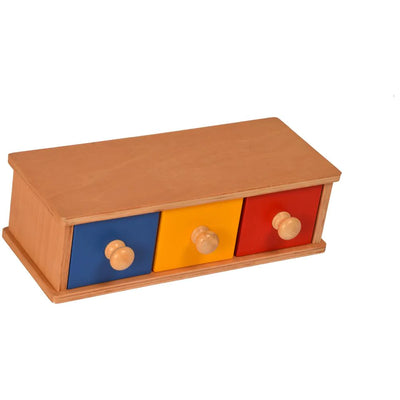
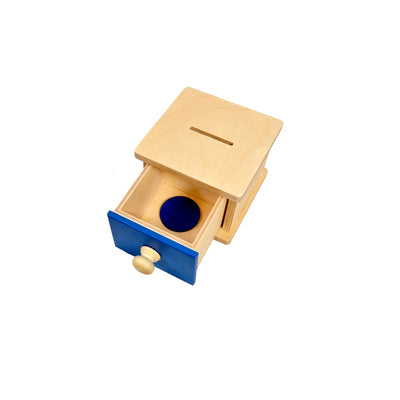
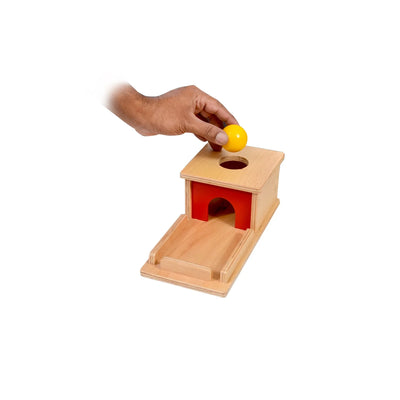
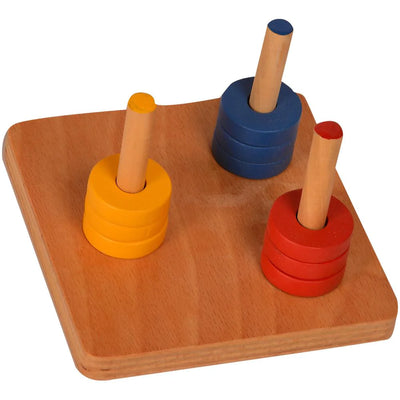
Imagine introducing different types of traditional Indian spices – say, haldi (turmeric) and jeera (cumin) – to an older toddler. You would show them the haldi and say, "This is haldi." Then, you'd show the jeera and say, "This is jeera." This gentle naming helps build a strong foundation for language acquisition and expands their understanding of the world around them. Explore wonderful toddler Montessori materials that support this naming phase, like colour tablets or shape sorters.
Period Two: Recognizing the Concept (The 'Show me…' Stage)
Once you've introduced the names, the second period focuses on recognition. Lay out the objects you just named and ask your child, "Show me red," or "Give me the blue block." Do not correct if they point to the wrong item; simply point to the correct one yourself and repeat the name gently. For instance, if you ask, "Show me haldi," and they point to jeera, you might gently guide their hand to the haldi and say, "This is haldi."
This period allows for repetition and reinforcement without putting the child on the spot. You can mix up the objects, place them in different spots, or ask the same question in varied ways ("Can you find the red one?"). This playful interaction helps solidify the connection between the object and its name. This stage is crucial for developing association skills, a vital aspect of child development India. Many Montessori sensorial materials are perfect for this recognition phase, like the Pink Tower blocks or different textured fabrics.
Period Three: Recalling Independently (The 'What is this?' Stage)
This is the assessment phase, but it should only happen when you observe that your child confidently navigates the second period. Hold up an object and ask, "What is this?" If your child answers correctly, offer a simple, sincere affirmation like "Yes, that's red!" or "That's right, it's haldi!" If they hesitate or give an incorrect answer, simply return to the first or second period without judgment or disappointment. It means they need a bit more practice, and that's perfectly normal.
The beauty of this period lies in the child's independent recall. It signifies that they have not just memorised but truly understood the concept. This stage is a wonderful measure of a child's cognitive growth and their ability to retrieve information. Remember, the goal isn't perfect recall every time, but a gradual, confident understanding that builds their self-esteem and love for learning.
Tips for Success in Your Indian Home
Adapting Montessori principles to the unique rhythms of an Indian household makes the journey even more enriching.
- Observe Your Child: Maria Montessori always stressed the importance of observation. Pay attention to your child's interests and readiness. If they seem distracted, it's a sign to pause and try again later. Don't push; follow their lead.
- Create a Prepared Environment: Even in smaller apartments, dedicate a 'yes' space where your child can freely explore age-appropriate Montessori method learning materials. Keep it tidy and accessible. A low shelf with a few carefully chosen items can make a world of difference.
- Integrate Local Context: Use everyday items from your home and culture. Teach names of fruits and vegetables bought from the local market, different types of sarees, or items used during Indian festivals. This makes learning relevant and engaging. For instance, you could use small bowls for sorting lentils, teaching colours and fine motor skills as part of your Montessori learning activities.
- Involve Grandparents (Gently!): Grandparents often play a vital role in Indian joint families. Educate them about the "no correction" principle, explaining that it helps build confidence. They can be wonderful partners in learning through play.
- Patience and Repetition: Children thrive on repetition. Don't be afraid to revisit the same lessons multiple times over days or weeks. Each repetition strengthens the neural pathways and deepens understanding.
Building a three-period lesson plan for toddlers at home is a journey of patience, observation, and immense joy. It's about respecting your child's capabilities and fostering a lifelong love for learning. SkilloToys.com is here to support you with high-quality, authentic Montessori materials that complement these beautiful lessons, making learning a delightful experience for your little one.