Montessori Toddler Cooking: Safe Kitchen Fun at Home
Imagine your little one, bright-eyed and eager, helping you prepare dinner. In the bustling, multi-generational Indian household, the kitchen is often the heart of the home, a place of warmth, aroma, and shared experiences. But how do you involve toddlers in cooking safely, especially when they’re so curious and hands-on? The Montessori way offers a beautiful, respectful path to welcome children into this practical life skill, turning everyday tasks into profound learning opportunities.
Montessori toddler cooking is an approach where young children are invited to participate meaningfully in food preparation, guided by principles of independence, respect, and observation. This works because it aligns with a child’s innate desire to contribute and imitate adults, fostering concentration, fine motor skills, and a sense of belonging. Parents can introduce age-appropriate tasks and child-sized tools, creating a safe and engaging environment for their little chefs.
Why Involve Toddlers in Kitchen Activities?
Beyond simply helping out, inviting your toddler into the kitchen offers a treasure trove of developmental benefits. These practical life activities are central to the Montessori philosophy, building not just culinary skills but also critical life lessons. Children develop independence, problem-solving abilities, and a deep sense of self-worth when they contribute to a family meal.
For parents exploring Montessori at home India, the kitchen becomes an extension of the classroom. Tasks like washing vegetables, kneading atta for rotis, or setting the table engage multiple senses and refine fine motor control, hand-eye coordination, and concentration. It’s a holistic learning experience that integrates seamlessly into daily life. Explore more about these transformative tools in our Montessori practical life materials collection.
Preparing Your Montessori Kitchen Space
Creating a child-friendly kitchen doesn't require a complete overhaul, even in compact Indian apartments. It's about thoughtful preparation and accessibility. The goal is to empower your toddler to participate safely and independently, without constant intervention.
Safety First: Essential Guidelines
Safety is paramount. Before inviting your toddler to help, ensure hot stoves, sharp knives, and heavy appliances are out of reach or securely stored. Designate a safe, clear workspace for them, ideally at their height or with a sturdy learning tower/stool. Always supervise closely, especially when introducing new tasks or tools. Discussing safety rules calmly and consistently helps children understand boundaries without fear.
Child-Sized Tools and Accessibility
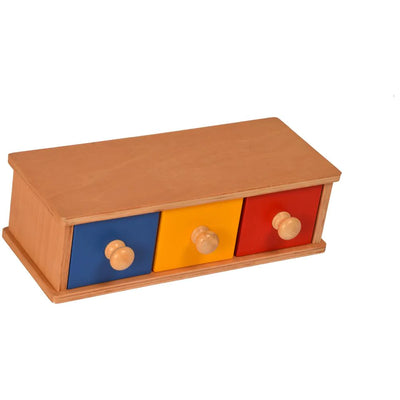
Imagine trying to chop vegetables with a giant knife! Providing child-sized, real tools allows toddlers to work effectively and feel competent. Think blunt knives, small whisks, mini cutting boards, and accessible ingredients. Low shelves or a designated drawer for their kitchen items can foster independence, allowing them to retrieve and put away their own tools. Many educational toys for toddlers focus on developing these essential practical life skills.
Simple Cooking Activities for Toddlers (Indian Context)
The beauty of the Indian kitchen is its versatility and the many hands-on tasks perfect for little ones. From everyday meals to festive preparations, there's always something a toddler can help with.
- Washing Fruits & Vegetables: Provide a bowl of water and a scrub brush. Toddlers can wash potatoes for aloo sabzi or tomatoes for a salad, experiencing different textures.
- Kneading Atta: A staple in many Indian homes! Give your child a small portion of flour and water. This sensory experience is calming and strengthens hand muscles vital for writing.
- Shelling Peas or Beans: A perfect fine motor activity. Sitting with grandparents, shelling peas for a curry or beans for a stir-fry can be a wonderful, bonding experience.
- Stirring Ingredients: Whether it's a bowl of yogurt for raita or cooled dal, stirring with a small whisk or spoon builds arm strength and coordination.
- Tearing Greens: Letting them tear coriander for garnish or spinach for palak paneer is satisfying and safe.
- Setting the Table: In a joint family setting, laying out spoons, napkins, or small bowls for everyone teaches order and responsibility, connecting them to the family's rhythm.
The Montessori Approach in Action
Beyond the specific tasks, it’s how you engage your child that embodies the Montessori philosophy. This method is all about respecting the child’s capabilities and fostering their natural drive to learn. It’s an integral part of Montessori method learning activities.
Observation and Demonstration
Start by observing your child's interest. When they show curiosity, offer a clear, slow, and precise demonstration of the task, without speaking. Let your actions be their guide. Show them how to hold the brush, how to scoop, how to stir. This silent demonstration allows them to focus purely on the sequence and movement, engaging their absorbent mind fully. Repeat if necessary, always patiently.
Fostering Independence and Concentration
Once demonstrated, step back and allow your child to try. Resist the urge to interrupt or correct every small mistake. The process is more important than the perfect outcome. This freedom to explore and practice builds self-confidence and prolongs their concentration. Provide positive encouragement, focusing on their effort rather than the end product. This respectful approach is fundamental to child development India, where fostering self-reliance from a young age is highly valued.
Key Takeaways for Montessori Toddler Cooking
- Start Early & Simple: Introduce basic, age-appropriate tasks as soon as your toddler shows interest.
- Prioritise Safety: Ensure a secure environment with child-friendly tools and constant supervision.
- Provide Child-Sized Tools: Equip your child with real, functional tools that fit their hands.
- Demonstrate Slowly & Silently: Model tasks clearly without verbal instruction to aid concentration.
- Allow for Independence: Let your child complete tasks at their own pace, tolerating mistakes as part of learning.
- Embrace the Mess: View spills and messes as learning opportunities, not failures.
- Connect to Culture: Integrate traditional Indian cooking activities to make it relatable and enriching.
- Focus on the Process: Emphasize effort and participation over a perfect outcome.
FAQ: Involving Toddlers in the Kitchen
What age can toddlers start cooking?
Toddlers can typically start participating in simple kitchen tasks around 18 months to 2 years, often as soon as they can walk steadily and show an interest in what adults are doing. Start with very basic activities like washing fruits or stirring cold ingredients, gradually introducing more complex tasks as their skills develop.
What are safe Montessori cooking tools for toddlers?
Safe Montessori cooking tools for toddlers include blunt plastic or nylon knives for soft foods, child-sized wooden or silicone spoons, mini cutting boards, and sturdy learning towers or stools. These tools are designed to be functional yet safe, empowering children to work independently.
How do I handle mess when cooking with a toddler?
Embrace the mess as part of the learning process! Lay down a mat or old newspaper, have sponges and small dustpans ready, and involve your toddler in cleaning up their own spills. This teaches responsibility and reinforces that mistakes are simply opportunities to learn and practice. Over-correction can discourage their participation.
What are simple Indian recipes for toddlers to help with?
Toddlers can help with many Indian recipes! They can wash vegetables for a curry or sabzi, knead a small portion of atta for roti, shell peas for matar paneer, tear coriander for garnish, or stir ingredients for a raita. These tasks are age-appropriate and connect them to their cultural food heritage.
Does Montessori cooking help with picky eaters?
Yes, involving toddlers in cooking can significantly help with picky eating. When children participate in preparing food, they develop a sense of ownership and are often more willing to try what they've helped create. It demystifies food, making them more adventurous and open to new tastes and textures.
Bringing your toddler into the kitchen, the Montessori way, is more than just cooking; it’s about nurturing a capable, confident, and curious child. At SkilloToys.com, we believe in supporting every step of this incredible learning journey with thoughtfully designed educational resources for your home. Happy cooking and happy learning!