Outdoor Play Grows Child Brain: Amazing Facts for Parents
In the bustling rhythm of Indian homes, where often space is a luxury and schedules are packed, it's easy to wonder about the simplest, yet most profound ways to support our children's development. What if we told you that one of the most powerful tools for fostering your child's brain growth isn't a complex gadget or an expensive class, but something as simple as stepping outside? Yes, did you know outdoor play physically grows a child's brain?
It's a fact that often surprises parents, especially those exploring Montessori at home in India. The sights, sounds, textures, and movements experienced during outdoor play are not just fun; they are crucial stimuli that actively build and strengthen the neural pathways in a young child's brain. This isn't just about 'getting fresh air'; it's about providing the fundamental building blocks for cognitive development, memory, and executive functions.
The Science Behind Outdoor Play & Brain Development
So, what does it mean for outdoor play to 'physically grow' a child's brain? Essentially, every new experience, sensation, and movement your child encounters outside stimulates the creation of new neural connections, or synapses, in their brain. The more varied and complex these experiences, the richer and denser their neural networks become. This growth is visible in the increased gray matter, which processes information, and white matter, which connects different brain regions.
Outdoor play is essential for comprehensive child development. This works because it provides diverse sensory input, physical challenges, and opportunities for unstructured exploration, which directly stimulates neural growth and strengthens cognitive functions. Parents can prioritize daily outdoor time, even short bursts, and observe their child's independent discoveries.
Sensory Overload (in a good way!)
Think about the rich sensory tapestry of the outdoors: the warmth of the sun, the cool breeze, the earthy smell of soil after rain, the sound of birds chirping, the vibrant colours of flowers. Each of these inputs is processed by the brain, forming complex neural patterns. Unlike the contained environment of indoors, nature offers an endless, ever-changing array of sensory information, compelling the brain to adapt, learn, and grow.
Gross Motor Skills: Brain Builders in Action
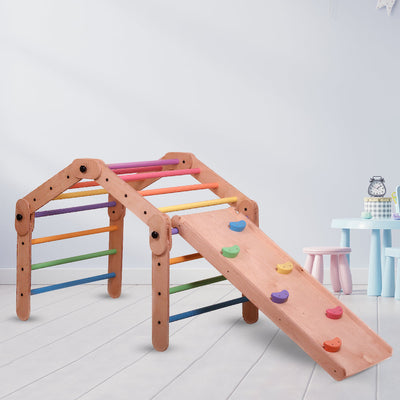
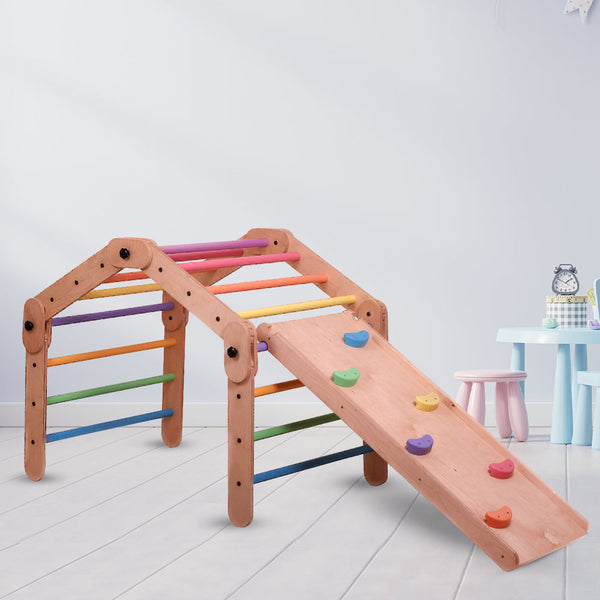
When children run, jump, climb, and balance, they are not just exercising their bodies; they are building their brains. These gross motor skills require significant coordination, balance, and spatial awareness, all of which are orchestrated by the brain. Activities like navigating uneven terrain, throwing a ball, or swinging develop the cerebellum and basal ganglia – areas crucial for motor control, planning, and even cognitive processes like attention and language. Our range of gross motor skill toys at SkilloToys.com often inspires similar physical engagement, but the outdoor environment provides unmatched scale and variety.
Montessori in the Open Air: Nurturing a Developing Mind
Dr. Maria Montessori herself recognized the profound importance of nature in a child's development, advocating for children to spend significant time outdoors. Her philosophy, centred on the child's absorbent mind and the prepared environment, finds a natural extension in the open air.
The Natural Prepared Environment
In a Montessori context, the outdoor world is the ultimate prepared environment. It offers endless opportunities for observation, classification, and practical life skills. Children can learn about flora and fauna, the water cycle, or the simple act of carrying water to a plant. These real-world interactions provide concrete learning experiences far beyond what books alone can offer.
Fostering Independence and Problem-Solving
Unstructured outdoor play empowers children to make their own choices, solve problems, and develop independence – core tenets of Montessori learning activities. Navigating a small slope, figuring out how to balance on a log, or deciding which stick makes the best 'wand' – these moments are rich in cognitive challenge and build resilience. This self-directed exploration is fundamental to Montessori education, just as much as structured Montessori learning materials are indoors.
Practical Tips for Indian Homes: Embracing Outdoor Time
We understand that living in Indian cities, especially in joint families or small apartments, can present unique challenges to daily outdoor play. However, even small changes can make a big difference for child development in India.
- Balcony Gardens: A small balcony can become a haven for sensory exploration. Potted plants, a tiny sandpit, or even a water table can offer valuable outdoor-like experiences.
- Community Parks & Gardens: Make regular visits to your local park a non-negotiable part of your routine. Grandparents often enjoy these outings too, creating beautiful intergenerational bonding moments.
- Nature Walks: Even a walk around the neighbourhood, observing trees, listening to street sounds, or spotting local birds, can be a rich sensory experience. Talk about what you see, hear, and feel.
- Embrace Indian Festivals: Many Indian festivals involve outdoor elements. Engage your child in these traditions – whether it's flying kites, making rangoli with natural powders, or participating in outdoor community events.
- Rainy Day Adventures: With proper gear, jumping in puddles or watching the rain from a sheltered spot can be an exhilarating sensory experience, breaking away from the norm of educational toys for toddlers.
Beyond Brain Growth: Holistic Benefits of Nature Play
While physically growing a child's brain is a phenomenal benefit, outdoor play offers a cascade of other advantages:
- Social-Emotional Development: Interacting with other children in a park setting fosters sharing, cooperation, and conflict resolution.
- Stress Reduction: Studies show that time in nature reduces stress hormones and improves mood, helping children regulate their emotions.
- Improved Sleep: Physical activity and exposure to natural light help regulate a child's circadian rhythm, leading to better sleep patterns.
- Enhanced Immunity & Vitamin D: Exposure to microbes in soil can boost immunity, and sunlight naturally provides essential Vitamin D.
So, the next time you consider your child's development, remember the profound impact of the great outdoors. It's a free, readily available, and incredibly effective 'classroom' that physically shapes their brain and fosters a lifelong love for learning. At SkilloToys.com, we believe in supporting holistic child development, and encouraging outdoor play is a cornerstone of that philosophy. Let's step outside and watch their brains blossom!