Practical Life Curriculum for Toddlers at Home
As Indian parents, we often cherish seeing our little ones mimic our actions, whether it's helping with the puja thali or pretending to sweep the floor. This natural inclination to participate is the cornerstone of a practical life curriculum for 18 month to 3 year olds, a core component of the Montessori method. It's about more than just chores; it's about nurturing independence, coordination, and a deep sense of belonging within the family from a very young age.
What exactly is a Montessori practical life curriculum? It is a series of purposeful activities designed to help children develop functional independence and adapt to their culture and environment. This works because children in this age group are inherently driven to do what adults do, and by providing them with real tools and tasks, we satisfy their inner urge for meaningful engagement. Parents can easily integrate these activities into daily routines, transforming everyday moments into powerful learning opportunities for their little ones.
Why Practical Life Matters for Your Little One
The early years, especially from 18 months to 3 years, are a period of immense growth and discovery. Practical life activities help refine fine motor skills, strengthen hand-eye coordination, and extend concentration spans – crucial elements for a child's holistic development. When a child successfully pours water without spilling or helps fold clothes, they gain a profound sense of accomplishment, boosting their self-esteem and fostering a positive attitude towards learning.
Setting Up a Montessori Home Environment in India
Creating a Montessori-friendly space doesn't mean renovating your entire home. It's about thoughtful adaptation. In many Indian homes, be it a compact apartment in Bengaluru or a spacious joint family house, you can designate a 'child-level' area. Think low shelves, child-sized brooms, and accessible hooks for clothes. In a joint family setting, involving grandparents in this process can create wonderful intergenerational learning experiences, as they often have a wealth of traditional practical skills to share.
Everyday Practical Life Activities (18 months - 3 years)
The beauty of practical life is that it uses everyday activities. For an 18-month-old, simple tasks like putting toys back in a basket or helping carry a small, unbreakable bowl to the kitchen can be incredibly engaging. As they approach two and three years, their capabilities expand, and they can participate in more complex tasks. SkilloToys offers a wonderful range of practical life Montessori materials designed to support these developmental stages, making learning both safe and stimulating.
Water-Based Activities: A Sensory Delight
Children are naturally drawn to water. Simple pouring activities using two small jugs can develop coordination and concentration. Introduce a small sponge for 'cleaning' a low shelf or even helping wipe up spills. During festivals like Diwali or Ganesh Chaturthi, involve them in washing fruits or small decorative items – a perfect blend of learning and cultural participation. Remember, it's about the process, not perfection!
Food Preparation: From 'Roti' Dough to Salad
In an Indian kitchen, there are countless opportunities. Toddlers can help wash vegetables, shell peas, or tear lettuce for a salad. Introduce a child-safe knife for cutting soft fruits like banana or cucumber. Many parents in India let their little ones help with kneading roti dough – a fantastic sensory and fine motor activity. Stirring curd or preparing a simple chutney can also be exciting for them.
Dressing and Grooming: Building Independence
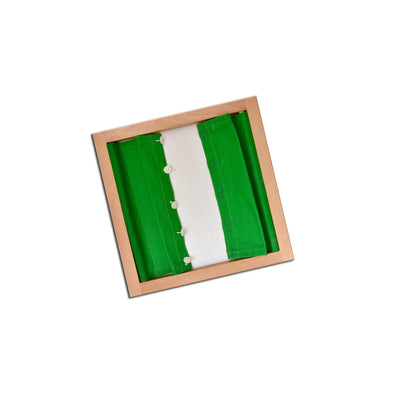
Encourage your child to participate in their own dressing and grooming. Start with simple actions like pulling up their shorts or putting on slip-on sandals. As they grow, introduce activities like zipping a jacket, buttoning a shirt, or brushing their hair in front of a child-level mirror. These steps build incredible confidence and self-sufficiency.
Caring for the Environment: Responsibility and Respect
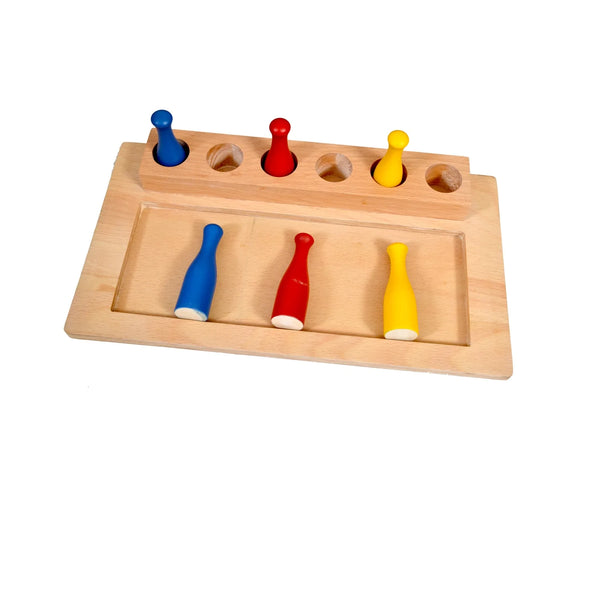
Involve them in maintaining their living space. Provide a small broom and dustpan for sweeping their play area. A dusting cloth can be used to wipe down low surfaces. If you have indoor plants, let them help with watering using a child-sized watering can. This teaches them respect for their environment and the value of contributing to the household. For younger toddlers developing their hand skills, an imbucare box can be an excellent precursor, refining their grasp and release – skills essential for practical life tasks.
Gentle Guidance and Observation
The Montessori approach emphasizes demonstration over instruction. Show your child how to do a task slowly and deliberately, without speaking. Then, step back and allow them to explore. It's crucial to let them make mistakes and figure things out on their own. Our role is to provide the environment and the opportunity, offering gentle encouragement rather than interference. This observational approach helps us understand our child's pace and readiness.
The SkilloToys Difference: Supporting Your Homeschooling Journey
At SkilloToys.com, we understand the unique journey of Indian parents exploring Montessori at home India. Our carefully curated Montessori learning activities and educational toys for toddlers are designed to seamlessly integrate into your home, providing authentic, high-quality resources that support your child's natural development.
Empowering your child through a practical life curriculum is a rewarding experience that lays the foundation for a lifetime of independence and joyful learning. Explore our collections at SkilloToys.com to find the perfect tools to accompany your little one on this incredible journey.