Raise Independent Child from Age 1: Montessori Tips
As Indian parents, we often cherish our little ones, wanting to protect and care for them in every possible way. But what if the greatest gift we could give our child is the freedom to do things for themselves? The journey to raise an independent child from age 1 is not about letting them fend for themselves, but about empowering them with the skills and confidence to navigate their world. This is where Montessori principles offer a beautiful, practical pathway, perfectly adaptable for our vibrant Indian homes and family dynamics.
Montessori independence is the ability to do things for oneself. It isn't about isolation or early self-sufficiency in the adult sense; rather, it's about nurturing a child's innate drive to learn, explore, and contribute to their environment. This works because it builds self-confidence, problem-solving skills, and a profound sense of capability from a very young age. Parents can foster this by preparing a supportive environment, offering choices, and allowing children to complete tasks at their own pace.
The Prepared Environment: Nurturing Independence at Home
Maria Montessori emphasized the 'prepared environment' as the foundation for independence. For Indian parents, this means thoughtfully arranging your home, even a small apartment, to be child-friendly and accessible. Think about low shelves where your child can reach their toddlers Montessori materials and books easily. A designated 'yes' space, perhaps a corner in the living room or bedroom, where everything is safe and available for exploration, can make a huge difference.
Consider simple adjustments like a small stool for them to reach the wash basin or a low hook for their kurta or jacket. In a joint family setting, involve grandparents in understanding this approach – they often love helping, and a few small changes can empower the child greatly without feeling restrictive to elders. Using local, natural materials for storage or activity trays also connects the child to their cultural roots and surroundings.
Practical Life Activities: Building Self-Reliance
Practical life activities are the heart of Montessori independence, especially from age one. These are real-world tasks that toddlers observe adults doing and are naturally eager to imitate. Think of activities like pouring water, sweeping with a small broom, or wiping spills. These simple actions develop fine motor skills, concentration, and a sense of contribution.
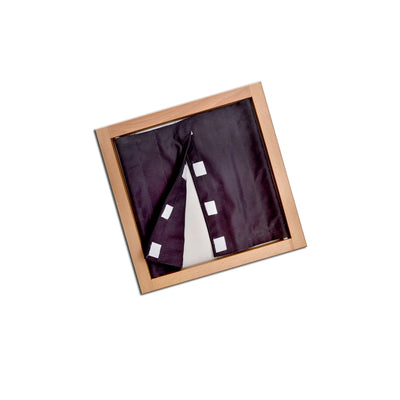
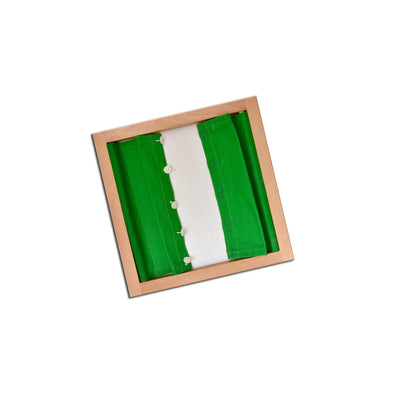
For an Indian home, this could mean involving your child in sorting dal before cooking, helping water the tulsi plant, or even folding a small cloth like a handkerchief or a dupatta. SkilloToys offers a wonderful range of practical life Montessori materials that are perfectly sized and designed for little hands, making these activities engaging and successful.
Freedom Within Limits: Empowering Choices
A cornerstone of Montessori is 'freedom within limits.' This doesn't mean chaos; it means offering your child choices within safe and respectful boundaries. For a one-year-old, this might look like choosing between two safe activities, selecting their own snack from a prepared tray, or deciding which shirt to wear (from two parent-approved options). This approach teaches decision-making and self-regulation.
Setting up a child's wardrobe with accessible clothing or a snack station with healthy choices empowers them to make small, meaningful decisions. It's about respecting their emerging will while ensuring their safety and the smooth functioning of the home. This balance is crucial for child development in India, where family structures are often close-knit.
Observation and Respect: The Parent's Role
Your role as a parent is primarily that of an observer and guide. Watching your child closely allows you to understand their interests, developmental stages, and what they are ready for next. Does your child seem fascinated by pouring? Offer them a small jug and cups. Are they trying to put on their own sandals? Give them the time and space to try, even if it takes longer.
Respecting your child's pace and their efforts, even when they make mistakes, is vital. Interrupting a child's concentration or completing a task for them when they are capable sends the message that their efforts are not valued. Instead, offer encouragement and be available to assist if truly needed, allowing them to experience the satisfaction of accomplishment.
Age-Appropriate Learning: Toys for Growing Minds
Around age one, children are in a sensitive period for movement, language, and sensory exploration. Providing educational toys for toddlers that are open-ended and support these areas is key. Think about simple wooden blocks, stacking rings, or puzzles with large knobs. These materials are not just for play; they are tools for development.
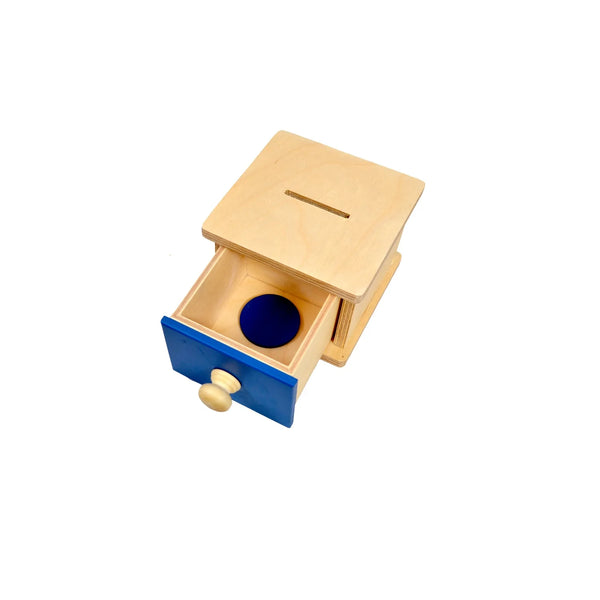
SkilloToys.com offers a curated selection of authentic Montessori learning activities designed to cater to your child's natural curiosity and developmental needs. From object permanence boxes to grasping toys, each item is crafted to foster independence, concentration, and a love for learning from an early age.
Fostering independence in your child from age one using Montessori principles is a journey of patience, observation, and immense joy. It's about building a foundation for a confident, capable individual who is ready to engage with the world around them. Explore the thoughtfully designed resources at SkilloToys.com to support your child's incredible path to self-discovery and growth.