Montessori Colour Box Activities for Toddlers at Home
The world around our little ones is a vibrant tapestry, especially here in India, where every festival, every garment, and even our daily food is bursting with hues. For toddlers, learning about colours isn't just about naming them; it's about refining their senses and understanding the visual richness of their environment. This is where Montessori colour box activities for toddlers at home truly shine, offering a beautiful, structured way to explore the spectrum.
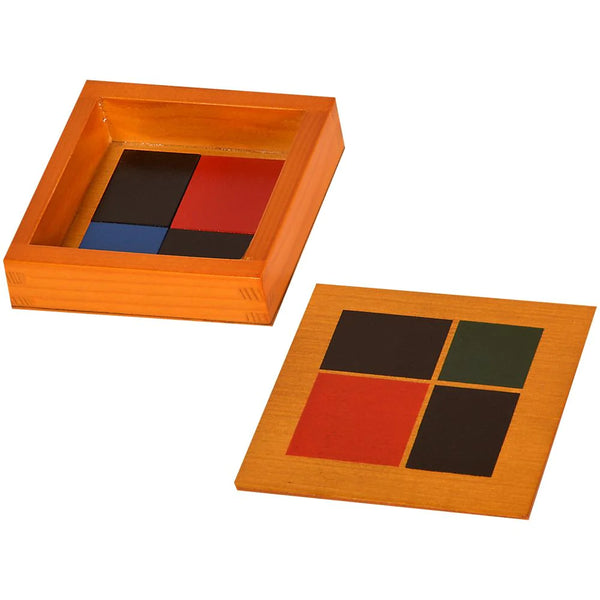
The Montessori Colour Boxes are a foundational part of the Montessori sensorial materials, designed to isolate the visual sense for colour discrimination. This works because each box introduces colours in a systematic, progressive manner, allowing children to focus on one quality (colour) without other distractions. Parents can present these activities to help their child develop a refined sense of visual discrimination, leading to greater appreciation for aesthetics and a stronger foundation for classification skills.
The Magic of Montessori Colour Boxes for Early Learners
Maria Montessori observed that children have an innate desire to order their world. Sensorial materials, like the colour boxes, cater to this need by providing concrete experiences that refine the senses. These materials are 'self-correcting,' meaning the child can discover their own mistakes without adult intervention, fostering independence and confidence.
Colour Box 1: Introducing the Primary Palette
This is often the first introduction to formal colour work. It contains three pairs of colour tablets: red, yellow, and blue. The activity is simple yet profound: the child matches identical pairs. Think of the vibrant red of a traditional bindi, the sunny yellow of a marigold flower for Diwali, or the serene blue of a clear sky over the Himalayas. As they match, you can introduce the names of the colours using a three-period lesson, gently reinforcing their understanding. This box lays the groundwork for all subsequent colour learning and is a wonderful addition to any Montessori learning environment at home.
Colour Box 2: Exploring the Spectrum with Graded Hues
Once the child masters Colour Box 1, they are ready for the challenge of Colour Box 2. This box features 11 different colours, each presented in seven graded shades, ranging from darkest to lightest. The child's task is to arrange each colour family in a gradient. This box helps children discern subtle differences, much like differentiating between the various shades of green in a monsoon-kissed paddy field or the gradients of a sunset over the Arabian Sea. It's a captivating activity that truly sharpens visual acuity and concentration.
Colour Box 3: Expanding the Colour Vocabulary
The final colour box, Colour Box 3, contains 63 individual tablets covering 9 colours with various shades. Here, children work with a single tablet and find its match among a larger set, or even grade all the tablets of a specific colour from darkest to lightest. This activity moves towards abstraction, solidifying their understanding of colour nuances and developing a comprehensive colour vocabulary. It's an advanced step that builds on the skills acquired from the previous boxes.
Practical Tips for Montessori Colour Activities at Home in India
Bringing Montessori principles into an Indian home, whether a bustling joint family or a cosy apartment, is all about thoughtful presentation and respect for the child's natural curiosity. Here are some ways to integrate colour box activities effectively.
Setting Up Your Learning Space
Even in smaller homes, you can designate a small, uncluttered space for these activities. Use a simple mat or a tray for presentation. This defines the work area and helps the child focus, preventing distractions from siblings or daily household activities. Remember, a tidy space promotes a tidy mind.
Language is Key
When presenting the colours, use precise language. Say "This is red" clearly. As your child progresses, encourage them to name the colours. In a multilingual Indian home, grandparents can also reinforce colour names in regional languages like Hindi, Tamil, or Kannada, enriching the child's linguistic development. This exposure makes learning robust and culturally relevant.
Everyday Colour Hunts
Extend the learning beyond the colour boxes. After an activity, go on a "colour hunt" around the house or during a trip to the local market. "Can you find something yellow like the mustard seeds?" "Let's find all the blue saris in the cupboard!" This helps children connect their learning to their real-world environment and strengthens their understanding of colour properties. Consider looking for different shades of wooden toys around the house.
DIY Colour Fun with Local Materials
While the actual Montessori Colour Boxes are ideal, you can supplement with simple DIY activities. Use natural dyes from turmeric (yellow), beetroot (pink/red), or spinach (green) to colour fabric scraps or paper. Gather flowers, leaves, and spices to create your own colour matching games. This not only engages children but also connects them to traditional Indian materials and practices, fostering an appreciation for local resources.
As your child discovers the wonderful world of colours through these engaging activities, they are not just learning names; they are building a foundation for observation, concentration, and a lifelong love for learning. Explore a wide range of authentic Montessori materials and educational toys for toddlers at SkilloToys.com to support your child's journey.