Raising Independent Children from Age 1: Montessori Tips
As parents in India, we often dream of our children growing into confident, capable individuals. But how do we lay that foundation from a very young age, especially when they're just starting to explore the world around them? The journey to raise an independent child from age 1 might seem daunting, yet it's entirely achievable and incredibly rewarding with the right approach. Montessori principles offer a beautiful, child-centric pathway to foster this crucial self-reliance, right within the comfort of your Indian home.
So, what exactly does independence mean in the Montessori context for a toddler? Montessori independence is not about a child being left alone or having free reign; rather, it's about empowering them to do things for themselves, at their own pace, within a safe and prepared environment. This works because it respects the child's innate drive for self-mastery and helps build their self-esteem through successful accomplishment. Parents can facilitate this by observing their child's natural interests and providing opportunities for them to engage actively with their surroundings.
The Montessori Path to Independence from Age 1
Dr. Maria Montessori's philosophy is rooted in the belief that children possess an inherent desire to learn and contribute. From the moment they can grasp, reach, and move, they are striving for independence. In our bustling Indian homes, whether it's a joint family setup or a cozy apartment, integrating these principles can transform everyday life into a series of learning opportunities.
Creating a 'Prepared Environment' at Home
Imagine a space designed specifically for your little one, where everything is within their reach and tailored to their size. This is the essence of a prepared environment. For a 1-year-old, this might mean low shelves for their toys and books, a small table and chair for meals or activities, and even a low hook for their tiny jacket. In an Indian home, this could involve adapting a corner of the living room, using traditional floor seating, or simply ensuring their water bottle and snack are accessible on a low surface. You can explore a range of child-friendly tools and materials at SkilloToys practical life Montessori materials to get started.
Nurturing Practical Life Skills
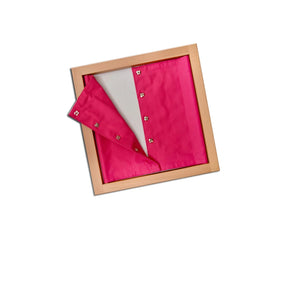
One of the most powerful ways to foster independence is through practical life activities. These are everyday tasks that children observe adults doing and naturally want to imitate. For a toddler, this could be as simple as pouring water from a small jug, helping to wipe up spills after a meal, or even sorting brightly coloured daal before cooking. These activities, often overlooked, are fundamental to a child's development in India and beyond. They build concentration, coordination, and a sense of belonging. Our collection of Montessori materials for toddlers is designed to support these developmental milestones.
Encouraging Choice and Self-Direction
Even a one-year-old can make choices, albeit simple ones. Offer two clothing options, ask if they want a banana or an apple, or let them choose which book to read. This isn't about giving them unlimited freedom, but about respecting their emerging will within safe boundaries. Observing your child's natural flow, allowing them to complete tasks without interruption, and trusting their internal guidance are key. This respect for their concentration is vital for healthy child development in India.
The Role of the Adult: A Gentle Guide
In Montessori, the adult is not a taskmaster but an observer and a facilitator. Our role is to prepare the environment, demonstrate activities clearly, and then step back, allowing the child to explore and learn at their own pace. This 'help me to do it myself' philosophy is central. While grandparents in Indian families often love to dote and assist, gently explaining the value of allowing the child to try, even if it means a little mess, can help everyone support the child's journey to independence.
Thoughtful Educational Toys for Toddlers
The type of toys we provide plays a significant role in fostering independence. Instead of flashing lights and loud noises, Montessori principles advocate for purposeful, open-ended materials that engage the child's mind and hands. Think wooden puzzles, stacking blocks, sorting games, or simple art supplies. These Montessori learning activities encourage problem-solving, fine motor skills, and sustained concentration, which are invaluable for early child development India. They are truly educational toys for toddlers that inspire self-discovery.
Montessori at Home in India: Practical Considerations
Bringing Montessori home in India might involve navigating unique cultural dynamics, such as the presence of extended family or smaller living spaces. However, the core principles are adaptable. Focus on creating accessible zones, using local materials like brass vessels for pouring, cotton fabrics for folding, or even simple rangoli patterns for fine motor practice. The beauty of Montessori at home India is its flexibility and ability to integrate seamlessly with our rich traditions, empowering children to become independent contributors to the family unit.
Key Takeaways for Raising an Independent Child from Age 1:
- **Start Early:** Independence can be fostered from around 12 months by providing a supportive environment.
- **Prepare the Environment:** Design child-friendly spaces with accessible materials and child-sized furniture.
- **Embrace Practical Life:** Involve children in daily household tasks, making them feel capable and valued.
- **Offer Choices:** Provide limited, meaningful choices to respect the child's emerging will and decision-making skills.
- **Be an Observer:** Guide gently, demonstrate clearly, and allow the child to learn through independent exploration.
- **Choose Purposeful Toys:** Select educational toys that encourage active engagement, problem-solving, and concentration.
- **Adapt to Your Home:** Montessori principles are flexible and can be integrated into any Indian home, big or small.
Frequently Asked Questions
Is Montessori independence suitable for Indian joint families?
Absolutely! Montessori independence can thrive in joint families. It's about respecting the child's individual capabilities. While elders may be inclined to help, a gentle explanation about empowering the child to 'do it myself' can create a harmonious environment where everyone supports the child's growth towards self-reliance.
What are some simple Montessori activities for a 1-year-old at home?
For a 1-year-old, simple activities include pouring water between two small containers, transferring dry beans with their hands or a spoon, putting small objects into a box, or wiping spills with a cloth. These activities enhance fine motor skills and concentration, using everyday items found in any Indian kitchen.
How can I balance traditional Indian parenting with Montessori principles?
Balancing tradition with Montessori involves finding common ground. For instance, encouraging a child to help set the table for a family meal aligns with both practical life skills and cultural values of contribution. Explain the 'why' behind Montessori choices to family members, emphasizing the long-term benefits for the child's confidence and development.
What kind of educational toys are best for encouraging independence?
The best educational toys for encouraging independence are those that are open-ended, allow for self-correction, and focus on a single skill. Think wooden stacking rings, shape sorters, simple puzzles, or tools for practical life like small brooms or pouring sets. These toys promote concentration and problem-solving without overstimulation.
Embracing Montessori principles to raise an independent child from age 1 is a journey filled with discovery and joy. It empowers your little one to navigate their world with confidence and curiosity. For a wide range of thoughtfully designed educational toys and materials that support this beautiful journey, explore SkilloToys.com.