Reading to Babies Changes Brain Structure Permanently
Imagine a superpower... You hold it in your hands every day, and it has the power to physically transform your child's brain. This isn't science fiction, but the incredible truth about reading to babies. Did you know that the simple, loving act of reading to babies changes their brain structure permanently?
Reading to babies changes their brain structure permanently by stimulating the growth of neural connections, especially in areas responsible for language acquisition, memory, and cognitive processing. This works because the brain, particularly in early childhood, is incredibly plastic and responsive to rich sensory input. Parents can nurture this by making reading a consistent, joyful part of their daily routine, even before their child can speak.
The Science Behind Little Brains and Big Books
When you read aloud, your baby isn't just hearing words; their brain is actively forming intricate networks. Each story, each new word, strengthens the neural pathways vital for understanding, speaking, and eventually, reading independently. This incredible phenomenon, known as neuroplasticity, is at its peak during the 0-3 year age band, making early experiences profoundly impactful. Maria Montessori herself emphasised the absorbent mind of the child, recognising their innate capacity to soak up information from their environment.
These neural connections are like tiny roads in your baby's brain. The more you read, the more these roads are used, becoming wider and stronger. This robust network is crucial for developing vocabulary, comprehension, and critical thinking skills long before formal schooling begins. It's an investment in their lifelong learning journey.
More Than Just Words: Benefits Beyond Brain Structure
Beyond the permanent changes in brain structure, reading to your little one builds a beautiful bond between parent and child. It's a shared, comforting experience that fosters emotional security and attachment. Think of those quiet moments in your Indian home, perhaps snuggled on a rocking chair, or on the floor during a lazy Sunday afternoon with grandparents joining in – these are the moments that truly shape a child's world and perception of learning.
This shared activity also introduces children to the world around them, sparking curiosity and imagination. From learning about animals in a jungle to understanding emotions through story characters, books open up new horizons, even for the youngest minds. It's a holistic approach to child development India.
Montessori at Home India: Cultivating a Love for Language
In a Montessori environment, language development is nurtured from birth. It's not about rote learning, but about rich, purposeful engagement. For Indian parents exploring Montessori at home India, this means creating a 'prepared environment' where language is valued. This could be as simple as pointing out objects and naming them in your local language or English, singing rhymes, and of course, reading books.
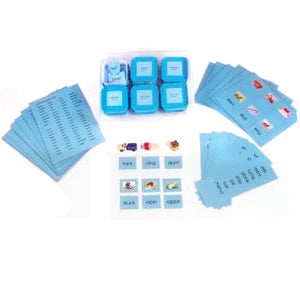
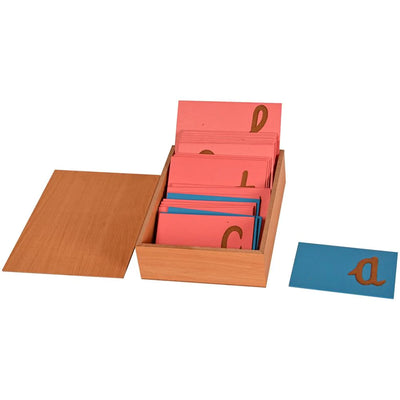
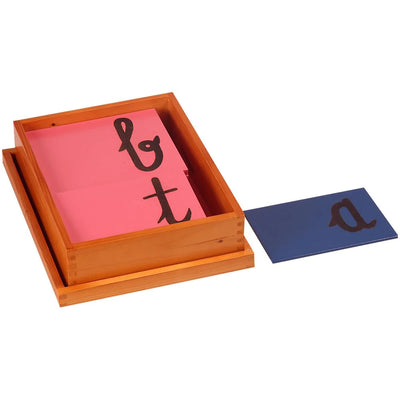
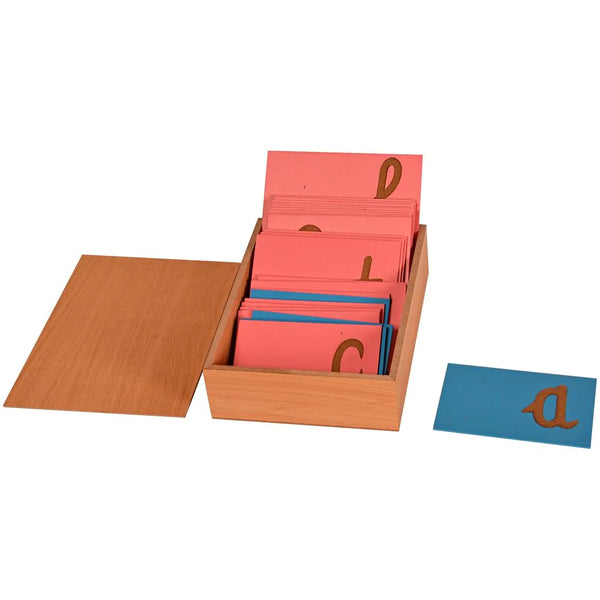
Incorporating a variety of reading materials can be very effective. From colourful board books featuring Indian festivals to simple stories about animals, every book offers a new opportunity for brain growth. Don't worry about perfect pronunciation; your child benefits most from hearing language spoken naturally and with warmth. Montessori language materials like Sandpaper Letters or the Movable Alphabet, though designed for older toddlers, lay a strong foundation for reading readiness by connecting sound to symbol.
Simple Rituals for Big Brain Boosts
You don't need elaborate setups. A small basket of books easily accessible to your child in your living room, even in a small apartment, is an excellent start. Read during bath time, before naps, or even while waiting for your chai to brew! The consistency matters more than the duration. Let your child choose the book, even if it's the same one for the tenth time – repetition is key for solidifying those neural connections.
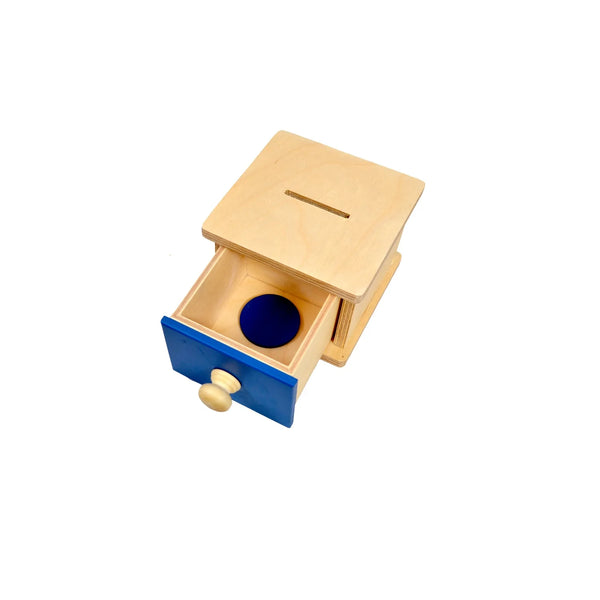
Remember, the goal is to make reading an enjoyable experience, not a chore. Your enthusiasm is contagious! For parents of active little ones, exploring educational toys for toddlers that encourage focus and independent play can complement reading time beautifully, fostering overall cognitive growth. Simple wooden puzzles or stackers can develop concentration, which translates to longer engagement with books.
Key Takeaways
- Reading to babies physically rewires their brain for language and learning.
- Early literacy boosts vocabulary, comprehension, and cognitive skills.
- Montessori methods enhance reading readiness through sensory experiences.
- Consistent reading creates strong neural pathways for lifelong academic success.
- Simple, daily reading rituals are vital for a child's brain development.
Frequently Asked Questions
How early can I start reading to my baby?
You can start reading to your baby from birth. Even newborns respond to the sound of your voice and the rhythm of language, laying crucial groundwork for early auditory and language development.
What kind of books are best for babies and toddlers?
For babies, high-contrast board books, touch-and-feel books, and simple picture books are ideal. Toddlers benefit from storybooks with clear illustrations, repetitive phrases, and themes relevant to their daily lives or cultural context.
Does reading aloud really make a difference for brain development?
Absolutely. Reading aloud significantly enhances brain development by stimulating neural connections, expanding vocabulary, improving listening skills, and fostering a love for reading. It builds a strong foundation for future academic success.
Beyond books, what other Montessori activities support language skills?
Montessori emphasizes practical life activities, sensorial experiences, and specific language materials. Naming objects, singing songs, having conversations, and later using Montessori language materials like Sandpaper Letters or the Movable Alphabet, all support comprehensive language development.
How often should I read to my child for maximum benefit?
Aim for short, consistent reading sessions daily. Even 10-15 minutes a day can make a significant difference. The key is to make it a regular, enjoyable ritual rather than a chore, adapting to your child's attention span.
At SkilloToys.com, we believe in empowering parents with the knowledge and tools to nurture their child's incredible potential. Explore our curated selection of Montessori-inspired educational toys designed to support every stage of your child's developmental journey.