Science Discoveries for Montessori Homeschoolers (3-6 Years)
Imagine your little one, eyes wide with wonder, carefully examining a ladybug on your balcony plant or stirring a colourful concoction in a bowl. This innate curiosity is the very foundation of science explorations for Montessori homeschoolers aged 3 to 6. At this tender age, children are natural scientists, eager to understand how the world works, and the Montessori method provides the perfect framework to nurture this.
Montessori science is not about memorizing facts or complex formulas for young children. Instead, it’s about fostering a profound love for discovery through hands-on interaction with the real world. This approach works because children at this age learn best by doing, touching, and experiencing directly, rather than passively observing. Parents can facilitate this by preparing an environment rich with opportunities for exploration and independent experimentation.
The Montessori Approach to Early Science
Maria Montessori believed in guiding children from the concrete to the abstract. For 3-6 year olds, this means engaging all five senses in the learning process. It’s about observing a sprouting moong dal, feeling the texture of different leaves, or listening to the sounds of nature.
This method perfectly aligns with “Montessori at home India” principles, where families can easily integrate these learning opportunities into daily life. From identifying fruits and vegetables at the local market to exploring the properties of water during bath time, science is everywhere.
Simple Science Explorations with Everyday Wonders
You don’t need fancy equipment to spark scientific curiosity. Many effective “educational toys for toddlers” and “Montessori learning activities” can be created using items found right in your Indian home or garden. Focus on open-ended experiences that encourage questions and independent discovery.
Nature's Classroom: Botany and Zoology Basics
Begin with the world just outside your window. Collect different leaves, flowers, or pebbles during a walk in the park. Sort them by size, colour, or texture. For a deeper dive into botany, try a simple seed germination experiment with some chana or rajma soaked in water.
Observe the plant’s growth daily, noting the roots and shoots. Exploring the tiny creatures in your garden, like ants or ladybugs, also introduces zoology. Encourage careful observation and respect for living things.
Water, Air, and Light: Early Physics & Chemistry
Water play offers endless scientific possibilities. Set up a “sink or float” activity with various household items like a metal spoon, a wooden block, or a plastic toy. This teaches basic principles of density and buoyancy in a fun, engaging way.
For early chemistry, try colour mixing with water and food colours, or even natural pigments like haldi (turmeric) and kumkum. Observing shadows on a sunny afternoon can introduce concepts of light and obstruction. These simple experiments build a foundation for later understanding.
The Human Body: My Amazing Self
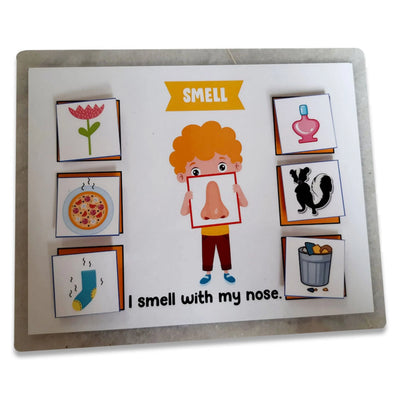
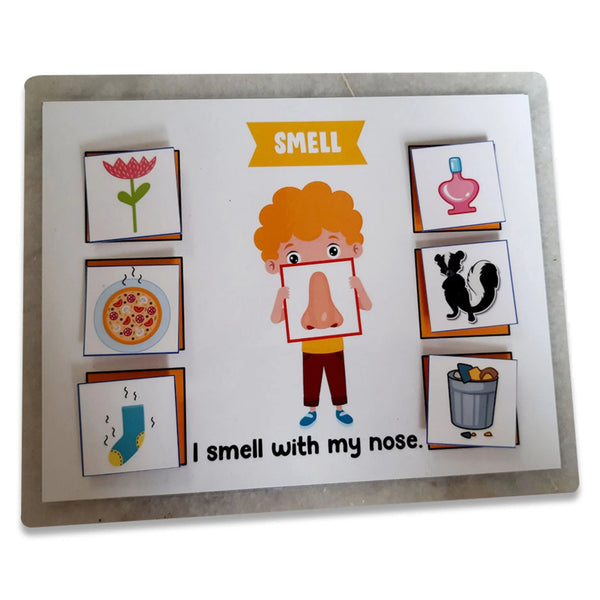
Exploring the five senses is a wonderful way to introduce the human body. Create a “smell bottle” activity with different spices like cardamom, cinnamon, or cloves, encouraging your child to identify them by scent. A “mystery bag” filled with various textures helps develop tactile discrimination.
You can also use simple anatomy puzzles or charts to introduce body parts. This helps children understand their own amazing bodies and how they interact with the world around them, contributing to holistic “child development India” parents value.
Setting Up Your Home Science Nook
Even in a small apartment, you can dedicate a “science corner.” A small tray with a magnifying glass, a few jars for collecting treasures, and some simple experiment materials can work wonders. Involve grandparents in collecting unique leaves or pebbles during their morning walks, fostering intergenerational learning.
SkilloToys offers a range of activity kits that can enrich your science corner. These kits are thoughtfully designed to provide structured yet open-ended learning opportunities, making complex concepts accessible for young minds. They encourage exploration and critical thinking.
SkilloToys for Deeper Discoveries
As your child’s curiosity grows, specific Montessori materials can offer more structured scientific learning. From botany puzzles that introduce parts of plants to land and water form trays that explore geography, these materials are self-correcting and beautiful.
Explore SkilloToys’ comprehensive collection of Montessori learning materials, which are carefully curated to support every stage of your child’s developmental journey. Each item is designed to foster concentration, independence, and a genuine love for learning, perfectly complementing your homeschooling efforts.
Embracing science at home is an incredible gift you can give your Montessori homeschooler. By nurturing their natural curiosity through hands-on explorations, you are not just teaching them facts, but instilling a lifelong passion for discovery and understanding the amazing world around them.