Smart Toy Shelf Rotation for Small Indian Homes
In the vibrant tapestry of Indian life, homes are often bustling hubs of activity, sometimes with limited space for everything – especially children's play areas. For parents embracing the Montessori philosophy, the idea of creating a dedicated, stimulating environment can feel challenging in a compact apartment or a joint family setup. This is where the magic of a rotation toy shelf comes in, offering a clever solution to nurture your child’s development without overwhelming your living space.
So, what exactly is Montessori toy rotation? It's a thoughtful approach where you present a select, limited number of toys or activities to your child at any given time, keeping the rest stored away. This strategy is based on Maria Montessori’s principles, encouraging deeper engagement, focus, and independence by reducing visual clutter and decision fatigue. It works because children, especially toddlers and preschoolers, thrive on order and predictability, allowing them to concentrate fully on the materials at hand.
Crafting a Montessori Play Space in Limited Room
Creating an enriching Montessori environment doesn't require a large, separate playroom. It's about intentional design and smart storage. Even a small corner in the living room or a section of a shared bedroom can become a beautiful play area if planned thoughtfully. The key is to think vertically and multi-functionally, adapting to the unique characteristics of Indian homes.
Choosing the Right Shelf: Functionality over Size
When space is at a premium, select low, sturdy shelves that are easily accessible to your child. Look for units that aren't too deep, perhaps a slim two or three-tier bookshelf that can fit against a wall without impeding walkways. Traditional Indian furniture like a low diwan or even built-in almirah ledges can be repurposed with a few secure, non-slip mats. Remember, the goal is independence, so your child should be able to reach and return items themselves.
Consider lightweight, natural materials for your shelves or storage baskets. Woven cane baskets, often found in local markets, or sturdy wooden boxes from a neighbourhood carpenter can add an authentic Indian touch while being perfectly functional for holding materials. These elements not only blend well with existing decor but also offer tactile richness for your child.
Curating Your Collection: Less is Truly More
The essence of toy rotation is simplicity. Instead of all the toys being out at once, choose 4-6 activities for the shelf. These should be a mix of categories: a fine motor skill activity (like stacking rings or a simple puzzle), a gross motor item (a soft ball), a practical life skill (small broom and dustpan), a sensorial material, and perhaps a book. This mindful selection supports balanced child development India and prevents overstimulation.
For parents looking for quality, durable options, explore collections of wooden toys. They are often open-ended, engaging multiple senses, and built to last through years of play. This curated approach also teaches your child to value each item, fostering respect for their belongings.
The Art of Rotation: When and How Often?
There's no strict rule for how often to rotate. Observe your child! Are they losing interest in current activities? Are they constantly seeking something new? These are signs it might be time for a change. For many families, a rotation every 1-2 weeks works well. For infants and younger toddlers, a quicker rotation might be necessary as their interests evolve rapidly. Keep the 'out-of-rotation' toys stored neatly in a designated cupboard or box, ready for their next appearance.
Introducing new items from your hidden stash can feel like a mini-festival of discovery, especially after a couple of weeks. This method keeps interest high and prolongs the lifespan of your toys. It also helps you identify what truly captivates your child's attention, informing future choices for Montessori materials for toddlers.
Integrating Indian Elements into Your Montessori Shelf
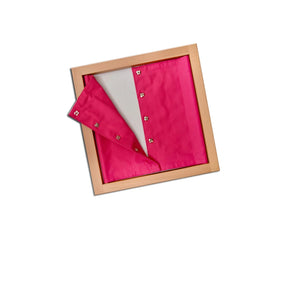
Montessori at home in India can beautifully blend traditional wisdom with contemporary practice. Think about incorporating elements that resonate with our culture. Perhaps a small traditional doll, a set of handmade rangoli stamps with clay, or fabric squares with different textures like silk, cotton, and jute. These culturally relevant items offer unique sensorial experiences.
For older preschoolers, consider adding simple practical life activities related to Indian customs. A small vessel for pouring water into a potted tulsi plant, or a tiny broom to sweep up fallen flower petals during festive seasons. Such activities connect them to their surroundings and family rituals, making Montessori learning truly meaningful.
Remember, the goal is to create an environment that encourages independence, concentration, and a love for learning. A well-organized, rotated toy shelf, adapted for Indian homes, is a powerful step in that direction. It supports your child’s natural curiosity and engagement with the world around them, even in the coziest of spaces. Discover a wide range of authentic Montessori method learning materials at SkilloToys.com to enhance your home environment.
Key Takeaways for Smart Toy Shelf Rotation
- Optimise Limited Space: Toy rotation helps manage toys efficiently in small Indian homes, reducing clutter and maximising play value.
- Boost Concentration: Presenting fewer options encourages deeper focus and engagement with each activity, aligning with Montessori principles.
- Foster Independence: Low, accessible shelves allow children to choose, use, and return materials autonomously.
- Curate Thoughtfully: Select 4-6 diverse activities per rotation, mixing fine motor, gross motor, practical life, and sensorial elements.
- Observe & Adapt: Rotate toys every 1-2 weeks, or based on your child's diminishing interest, keeping fresh challenges available.
- Embrace Indian Context: Integrate local materials like cane baskets and culturally relevant activities to make the learning environment unique and relatable.
FAQ: Your Questions on Montessori Toy Rotation Answered
How often should I rotate toys for my child?
Typically, rotating toys every 1-2 weeks works well for most families. However, observe your child’s engagement; if they lose interest sooner or seem overwhelmed, adjust the frequency. The goal is to keep their curiosity piqued without overstimulation.
What types of toys are best for a Montessori rotation shelf?
Focus on open-ended, natural, and educational toys that encourage active learning. Good choices include wooden puzzles, stacking blocks, practical life tools, sensorial materials like sorting activities, and age-appropriate books. Avoid overly complex or battery-operated toys that do not promote independent problem-solving.
Can toy rotation work effectively in a joint family setting with multiple children?
Absolutely! In a joint family, toy rotation can be even more beneficial by ensuring each child has age-appropriate activities available without a huge pile of toys. You might create separate, small rotation shelves or designated baskets for different age groups within a shared space, fostering respectful play and clear boundaries.
How many toys should be on the shelf at one time?
For optimal engagement and focus, aim for 4-6 distinct activities or toys on the rotation shelf at any given moment. This manageable number allows children to make choices without feeling overwhelmed, encouraging deeper interaction with each material.
What if my child asks for a toy that's 'rotated out'?
It's natural for children to remember and ask for specific toys. You can acknowledge their request and gently explain that the toy is "resting" and will be available again soon. This teaches patience and the understanding of cycles, while reinforcing that all toys have their turn.
We hope these rotation toy shelf ideas inspire you to create a dynamic and enriching Montessori environment, even with limited space. At SkilloToys.com, we are dedicated to providing high-quality, educational toys and materials that support every stage of your child's journey.