Starting Montessori Homeschooling in India: A Beginner's Guide
Namaste, fellow parents! Are you captivated by the gentle philosophy of Montessori and considering bringing its magic into your home? You're not alone. Many Indian parents are now exploring Montessori homeschooling in India, seeking a method that respects their child's natural curiosity and pace of learning. It might seem like a big step, especially with our unique home environments, but with a clear path, it's achievable and immensely rewarding.
At its heart, Montessori is an educational philosophy developed by Dr. Maria Montessori that champions child-led learning in a prepared environment. This approach is rooted in observing children and providing them with activities that foster independence, concentration, and a lifelong love for learning. This works because it taps into a child's intrinsic motivation, allowing them to follow their interests and develop at their own unique pace. Parents can adapt this rich educational framework to create a stimulating and respectful learning space right within their Indian home.
Preparing Your Home Environment: The Indian Way
Starting your Montessori journey begins with thoughtfully preparing your child's space. In Indian homes, whether a cozy apartment or a sprawling ancestral house, accessibility and order are key. Create specific areas where your child can freely interact with learning materials, like a 'Montessori corner' with low shelves or a child-sized table.
The goal is "ordered freedom" – everything has its place, making it easy for your child to choose, use, and return activities, fostering respect for their environment. For authentic and safe Montessori learning materials, explore SkilloToys' comprehensive collection.
Embracing the Montessori Principles at Home
Observe Your Child, Truly Observe
The cornerstone of Montessori is observation. Take time to simply watch your child without interruption or judgment. What are they drawn to? What challenges them? Are they in a sensitive period for language, order, or small objects? This mindful observation helps you tailor the environment and activities to their unique needs and interests. Grandparents, with their wealth of experience, can also be invaluable in understanding your child's natural inclinations and rhythm.
Foster Independence Through Practical Life Skills
Practical Life activities are the heart of early Montessori, mirroring everyday tasks children see adults doing. Activities like pouring water, sweeping, or folding clothes build concentration, coordination, and a sense of accomplishment. Imagine your little one helping sort dals or wiping their own spill, boosting self-esteem and fine motor skills.
These experiences empower them significantly. Explore our range of Practical Life Montessori materials to get started with these essential, empowering activities.
Curate Meaningful Montessori Learning Activities
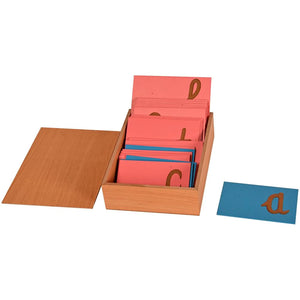
Montessori activities are purposeful, engaging, and often self-correcting. For a toddler, stackable rings; for a preschooler, sandpaper letters for phonics or a pink tower for dimensions. Present activities clearly, allowing children to repeat them, focusing on process over outcome.
Rotate materials regularly to maintain interest. Incorporate local items like seeds for sorting or spices for smell work. This approach supports genuine Montessori learning activities, encouraging hands-on exploration.
Understanding "Educational Toys for Toddlers" Beyond Play
When selecting educational toys for toddlers, think beyond mere entertainment. Montessori materials are specifically designed with a purpose: to isolate a concept, provide sensorial experiences, and enable self-correction. For instance, a wooden puzzle teaches shape recognition and spatial reasoning, not just fitting pieces. Invest in quality, durable materials that invite deep engagement rather than fleeting amusement, acting as instruments for natural child development.
Your Role as a Montessori Parent in India
As a Montessori parent, be a "guide on the side." Trust your child's innate drive to learn. Prepare the environment, present activities clearly, then step back, allowing freedom to engage, experiment, and make mistakes. Offer help only when truly needed, empowering independent discovery.
Patience is paramount. Allow uninterrupted time for concentration; interruptions disrupt learning. Consistency and respect for their efforts nurture a curious, confident, independent individual, contributing to holistic child development India.
Key Takeaways for Starting Montessori Homeschooling
- Observe Your Child: Understand their interests, needs, and sensitive periods to tailor the environment effectively.
- Prepare the Environment: Create an accessible, orderly, and child-friendly learning space within your home, even in smaller Indian apartments.
- Embrace Practical Life: Integrate everyday tasks like pouring, cleaning, and cooking into your child's routine to build independence and motor skills.
- Curate Purposeful Materials: Choose Montessori materials that isolate concepts and encourage self-correction, supporting deep learning.
- Be a Guide: Trust your child's innate ability to learn, offering support and guidance rather than direct instruction.
- Patience and Consistency: Allow your child ample time for focused work and maintain a consistent approach to foster respect and concentration.
Frequently Asked Questions About Montessori Homeschooling
Is Montessori homeschooling expensive in India?
Not necessarily. While authentic materials are an investment, many activities can be created using everyday household items or local materials. The philosophy values observation and the prepared environment over costly toys.
How do I know if Montessori is right for my child?
If your child enjoys hands-on learning, focuses deeply on tasks, and shows an innate desire to explore, they are likely to flourish. Observe their engagement with different activities to see what truly captures their attention.
What are the first few Montessori materials I should consider?
Start with Practical Life materials like pouring sets or dressing frames, which build foundational skills. Sensorial materials such as the Pink Tower are also excellent for developing discrimination of size and shape.
How do I manage Montessori homeschooling with a joint family in India?
Communication is key; explain the philosophy, emphasizing independence and respect for the child's work. Designate a specific, child-friendly learning space that everyone understands and respects during activity times.
Embarking on your Montessori homeschooling journey is a beautiful commitment to your child's growth. With a little preparation and a lot of love, you can create a nurturing space where curiosity blossoms. For a thoughtfully curated selection of authentic Montessori materials that will support your child every step of the way, visit SkilloToys.com.