Three-Period Lesson Plan for Toddlers at Home
In many Indian homes, learning is a joyful family affair, often involving grandparents and siblings sharing wisdom and stories. When it comes to introducing new concepts to your toddler, the Montessori three-period lesson plan offers a beautifully simple yet profound method that respects your child's natural pace and curiosity. It's an invaluable tool for parents exploring Montessori at home India, transforming everyday interactions into meaningful learning opportunities.
The Three-Period Lesson, a cornerstone of Montessori education, is a systematic approach designed by Dr. Maria Montessori to teach a new name or concept to a child. This method is incredibly effective because it mirrors how children naturally acquire language and understanding: through association, recognition, and active recall. Parents can easily adapt this powerful technique for a wide range of subjects, from identifying objects around the house to learning new sounds or shapes, making it perfect for Montessori learning activities at home.
Deciphering the Three Periods: A Step-by-Step Guide
Imagine you want to teach your little one the name of a new fruit, say, a 'mango', especially if it's mango season! The three-period lesson breaks this learning into manageable, child-friendly steps, ensuring a deeper and more lasting understanding.
Period 1: The Naming (Association) – "This Is..."
In the first period, your role is simply to introduce the name of the object. Hold up the item – perhaps a vibrant, yellow mango or a colourful block from a set of educational toys for toddlers – and clearly state its name. For instance, you would say, 'This is a mango.' Repeat this slowly and distinctly a couple of times. It's important to introduce only one or two new items at a time, allowing your child to fully absorb the new information without feeling overwhelmed. This stage is all about creating a clear, auditory link between the object and its name.
Period 2: The Recognition (Association and Recall) – "Show Me..."
Once you've named the object, the second period focuses on the child's ability to recognise and point to the item when named. Place the mango alongside another familiar fruit, perhaps a banana, and ask, 'Show me the mango.' Or, if using sensorial materials, 'Can you point to the blue cylinder?' The key here is to observe their response without correction. If they point to the wrong item, simply go back to the first period. If they respond correctly, offer a gentle smile or a nod, reinforcing their understanding. This period might involve several repetitions over different days, truly solidifying the association.
Period 3: The Recall (Active Recall) – "What Is This?"
This is the culminating period where your child actively recalls the name of the object. Hold up the mango and ask, 'What is this?' This stage requires active memory retrieval from your child. If they confidently say 'mango', you know the lesson has been absorbed! If they hesitate or give an incorrect answer, it's a cue to gently return to the first and second periods, perhaps simplifying the selection or re-introducing it another day. The beauty of this process is that it's entirely child-led; you never push for a response but rather observe and re-present as needed.
Bringing the Three-Period Lesson to Life in Your Indian Home
Adapting Montessori principles for an Indian household, whether it's a bustling joint family or a cozy apartment in Bengaluru, is wonderfully achievable. The spirit of 'learning by doing' is inherent in our culture, making this approach feel naturally aligned with our everyday lives.
Everyday Materials: More Than Just Educational Toys for Toddlers
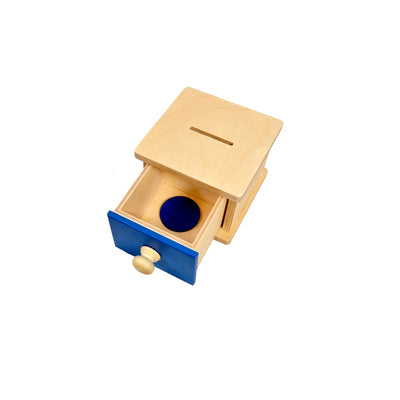
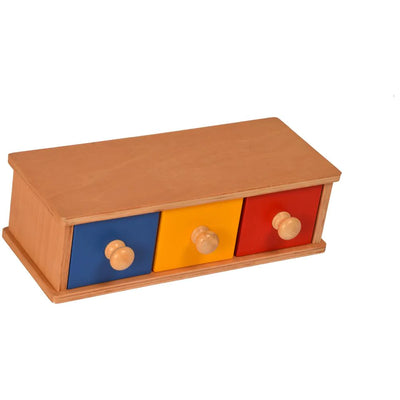
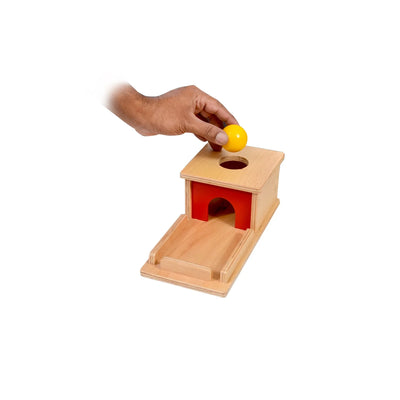
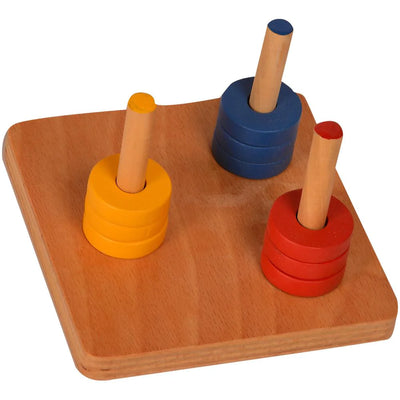
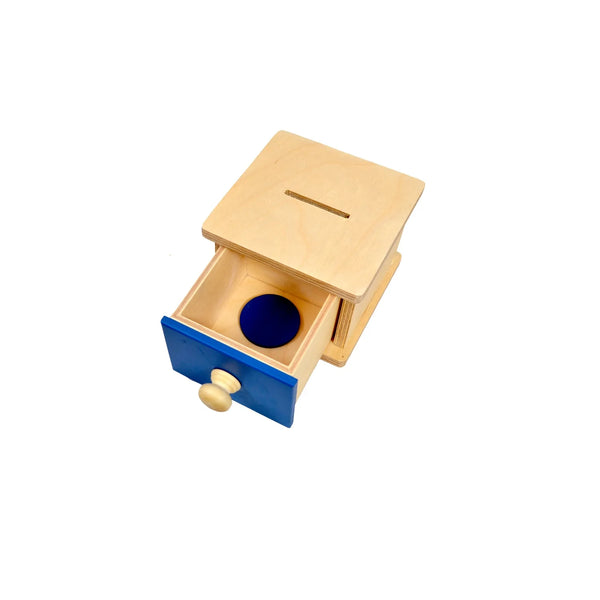
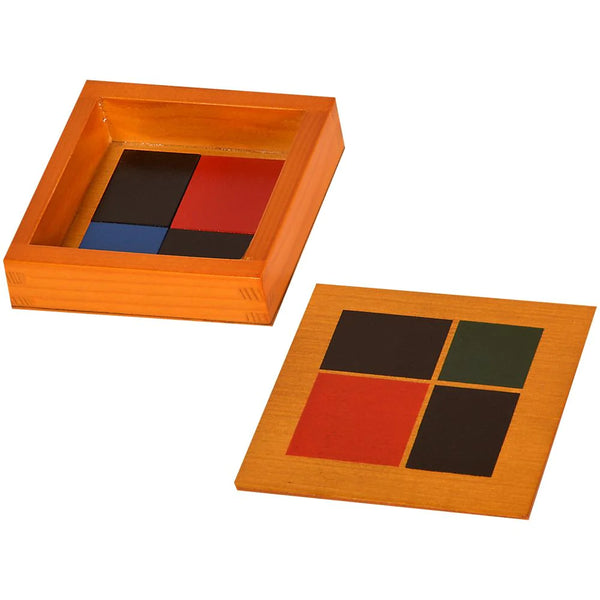
While carefully chosen educational toys for toddlers from SkilloToys can be fantastic, the Montessori method thrives on real-life objects. Think about the rich array of items in your Indian kitchen: a brinjal, a lime, a small bowl of turmeric powder, or even different fabrics from your wardrobe. These tangible, familiar objects are perfect for the three-period lesson, connecting learning directly to their world. You can also use items like our Montessori sensorial materials, such as colour tablets or geometric solids, to teach concepts like colour, shape, and dimension effectively.
Creating a Prepared Nook: Montessori at Home India
Even in smaller Indian apartments, carving out a 'prepared environment' doesn't mean a dedicated classroom. It could be a low shelf in the living room or a corner in their bedroom where materials are neatly organised and accessible to your child. The idea is to create an inviting space where they can choose activities independently. In a joint family setting, involving grandparents can be a beautiful way to enrich these learning moments, as their stories and wisdom naturally complement hands-on exploration. This truly embodies the spirit of Montessori at home India.
Patience, Observation, and Joy: Keys to Child Development India
The three-period lesson is not a test; it's an offering. Your patience and keen observation are your most powerful tools. Notice when your child is engaged, when they need a break, and what truly sparks their interest. Celebrating their small victories – a correct identification, a new word spoken – fosters immense confidence and a lifelong love for learning. This approach is fundamental to nurturing holistic child development India, respecting each child's unique journey.
Embracing the three-period lesson at home is a gentle, effective way to empower your toddler's learning journey, nurturing their innate curiosity and independence. For authentic, high-quality Montessori materials and support for your homeschooling adventures, explore the curated collection at SkilloToys.com – your trusted partner in fostering meaningful education.