Tracking Montessori Progress Without Tests at Home
As Indian parents embracing the Montessori journey at home, we often find ourselves in uncharted territory. We’re used to school report cards, marks, and examinations as benchmarks for our child's learning. But in the Montessori philosophy, formal tests are largely absent. So, how do we confidently track progress without tests the Montessori way, especially for our little ones aged 0–6 years? It’s a common question, and one we at SkilloToys.com hear often!
Montessori progress tracking isn't about ticking boxes on a report card; it's about deep, mindful observation of your child's natural development and engagement with their environment. This works because Dr. Maria Montessori believed that children learn best through self-directed activity and inherent motivation, not external rewards or pressures. Parents can embrace this by shifting their focus from 'what did they score?' to 'what did they explore, discover, and master today?'
The Heart of Montessori: Observation, Not Examination
Dr. Maria Montessori revolutionised education by understanding that children are their own best teachers. Instead of standardised tests, she advocated for keen, consistent observation. Think of it like watching a seed sprout and grow – you don't pull it out to measure its roots daily, but you notice its leaves unfurling, its stem strengthening. Similarly, with a child in a Montessori home, we observe their concentration, independence, problem-solving skills, and joy in learning.
In many Indian homes, where grandparents are often an integral part of a child's upbringing, this observational approach comes naturally. Dadi or Nani might instinctively notice if a child is suddenly able to tie their shoelaces independently or carefully help arrange flowers for pooja, long before a formal assessment would. These everyday moments are goldmines for understanding child development in India.
The Prepared Environment as a Progress Indicator
Your child’s Montessori-prepared environment at home is not just a place for learning; it's a dynamic mirror reflecting their progress. When your child confidently chooses a Montessori method learning material, works with it diligently, and then returns it to its place, that's a clear sign of developing concentration, order, and independence. If they're moving from simpler activities to more complex ones, it shows cognitive growth.
Self-correction is a cornerstone of Montessori. Materials like the Pink Tower or Knobbed Cylinders are designed so that the child can easily see and correct their own mistakes without adult intervention. When you observe your child meticulously re-stacking blocks until they fit perfectly, or repeatedly trying to pour water without spilling, you are witnessing their internal drive for mastery – a far more profound indicator of learning than any test score.
Practical Ways to Observe Progress at Home
It might feel overwhelming at first, but tracking progress the Montessori way is simpler than you think. It integrates seamlessly into your daily life and family rhythms, even in a bustling joint family or a compact apartment.
Keep a Simple Observation Journal
You don't need fancy software. A simple notebook or even a note-taking app on your phone can be your best friend. Jot down brief observations:
- Focus: How long did they concentrate on a particular activity?
- Choice: Which activities do they gravitate towards? Are they exploring new materials?
- Mastery: Are they completing activities with ease that were once challenging?
- Independence: Are they initiating tasks, getting dressed, or helping with household chores like setting the dinner table?
- Social Skills: How do they interact with siblings, grandparents, or playmates? Do they share, wait their turn, or express empathy?
These notes give you a longitudinal view of their evolving abilities and interests, providing valuable insights into their overall child development.
Look for Repetition and Mastery
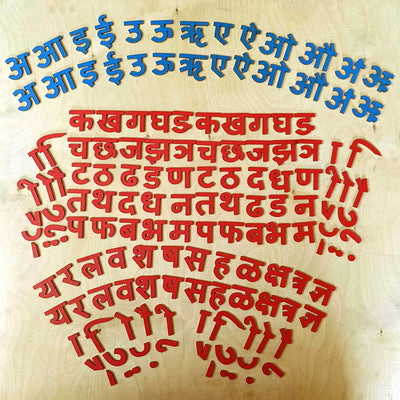
Montessori children often repeat activities numerous times. This isn't stagnation; it's consolidation. If your child repeatedly works with the Sandpaper Letters, it indicates they are solidifying their understanding of phonetic sounds. When they effortlessly form words with the Movable Alphabet, they've achieved mastery. Their spontaneous application of skills in new contexts – perhaps trying to write their name on a grocery list – is the ultimate sign of learning.
Notice the Child's Independence and Self-Care
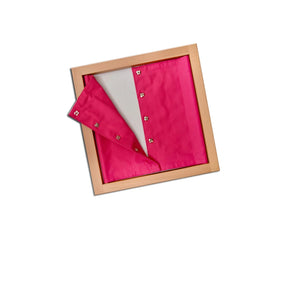
Practical Life activities are the foundation of Montessori. Observe if your child is taking initiative in personal care (brushing teeth, washing hands, dressing themselves) or contributing to the household (watering plants, sweeping, helping prepare simple meals like kneading dough for rotis). These are profound indicators of self-confidence, responsibility, and fine motor skill development. These are not just chores; they are Montessori learning activities in action.
Observe Problem-Solving and Creativity
How does your child react when faced with a challenge? Do they try different solutions? Do they ask for help or persevere? Watch them build with blocks, draw, or engage in imaginative play using local materials found around the home – leaves, pebbles, small kitchen items. Their creativity, focus, and ability to find solutions are powerful metrics of their cognitive growth.
Trusting the Process: Your Role as a Montessori Parent
The key to successful Montessori progress tracking is trust – trust in your child's innate drive to learn, and trust in the Montessori process. Your role is not to intervene, correct, or push, but to prepare the environment, present materials, and then step back to observe. Celebrate their effort and their discoveries, rather than focusing on 'right' or 'wrong'. This approach cultivates a lifelong love for learning, which is the most valuable progress of all when practising Montessori at home in India.
Key Takeaways
- Observation is Key: Dr. Maria Montessori advocated for consistent, non-judgmental observation over traditional tests to understand a child's development.
- Self-Correction Reveals Mastery: Montessori materials are designed to allow children to identify and correct their own errors, indicating deep learning.
- Journaling Aids Tracking: A simple observation journal helps note focus, choices, mastery, and independence, providing a comprehensive view of progress.
- Repetition Signifies Consolidation: Children repeat activities like using Sandpaper Letters until a skill is truly integrated and mastered.
- Practical Life Skills are Progress Markers: Increasing independence in self-care and household contributions (e.g., preparing food) are strong indicators of holistic development.
- Trust the Child's Inner Guide: Parents' role is to prepare the environment and observe, fostering intrinsic motivation rather than external validation.
FAQ: Common Questions from Indian Montessori Parents
How often should I observe my child's progress?
Consistent, daily informal observations are more valuable than infrequent, lengthy sessions. A few minutes each day, noting specific interactions with materials or independent actions, provides a continuous record of growth. You can formalise this with journal entries once or twice a week.
What if my child isn't interested in a particular Montessori material?
Children have sensitive periods for different types of learning. If a child shows no interest, simply put the material away for a while and reintroduce it later. Forcing an activity goes against Montessori principles; trust that they will engage when they are developmentally ready.
Do I need all the official Montessori materials to track progress effectively?
While authentic materials offer optimal design for self-correction, you can certainly adapt. Observing a child's interaction with everyday objects or DIY educational toys for toddlers, their focus, problem-solving, and independence remains key. SkilloToys.com offers high-quality, authentic materials to support your home environment.
How does this observational approach prepare my child for a traditional school system later?
Montessori's focus on concentration, self-discipline, problem-solving, and a love for learning equips children with invaluable foundational skills that transfer well to any learning environment. They develop strong executive functions and an intrinsic motivation that helps them adapt and excel.
Embracing the Montessori way of tracking progress is a journey of understanding your child more deeply. It's about celebrating their unique pace and passions. For authentic Montessori method learning materials to support this beautiful journey, explore the curated collection at SkilloToys.com.