Why Montessori Classrooms Have No Desks in Rows
Walking into a Montessori classroom, especially after growing up with traditional Indian schooling, can feel quite different, can't it? The first thing many parents notice is the absence of those familiar desks in rows. No neat lines, no fixed seating arrangements. Instead, you see children moving freely, engrossed in their activities on small mats or at low tables. At SkilloToys, we often get asked, 'Why the change? What's the real reason Montessori classrooms have no desks in rows?' It’s a fascinating question, and the answer lies at the heart of Dr. Maria Montessori’s philosophy of respecting the child.
The Montessori environment is designed to foster a child's natural drive for independence and exploration. This works because removing fixed desks liberates children from static positions, allowing them to choose their work, move materials, and collaborate or work independently as needed. Parents can recreate elements of this freedom at home by providing accessible shelves and designated 'work zones' for their children's educational toys for toddlers.
Empowering Choice: The Freedom to Learn
Imagine growing up in a joint family in India, where elders often guide every step. While respect for elders is paramount, a Montessori environment offers a different kind of respect – respect for the child's inner guide. Dr. Montessori observed that children learn best when they are active participants in their own education. Desks in rows, by nature, restrict movement and dictate a fixed posture, often for long periods. By eliminating them, children gain the freedom to choose where they want to work – on a mat on the floor, at a small table, or even standing. This freedom of movement is crucial for physical and cognitive development, especially for young children aged 0-6 years.
Movement is Key to Development
For toddlers and preschoolers, movement isn't just wiggling; it's a fundamental aspect of learning. Think about how a child naturally explores their environment at home, crawling, walking, touching everything. When a child can freely move to select a specific practical life material or settle down with a set of Sandpaper Letters, they are engaging their whole body in the learning process. This active engagement strengthens neural connections and improves concentration. It's a stark contrast to being confined, which can lead to restlessness and disengagement, especially in a bustling Indian household where space might be limited.
Fostering Concentration and Deep Work
You might think that freedom would lead to chaos, but in a well-prepared Montessori environment, it actually fosters incredible concentration. When a child chooses an activity they are genuinely interested in, they engage with it deeply, often for extended periods. This 'work cycle' is a hallmark of Montessori learning activities. Without the distraction of rows, where children primarily face the back of another's head, their focus remains on the task at hand. This is particularly beneficial for developing sustained attention – a skill invaluable for future learning and life.
Creating a Prepared Environment at Home (Montessori at Home India)
Applying these principles at home, even in a small apartment in Bengaluru, is entirely possible. Instead of traditional desks, consider low shelves that are easily accessible to your child. Provide a designated 'work mat' or a small, child-sized table and chair. This setup encourages your child to independently choose materials, carry them to their workspace, and return them when finished. This independence, cultivated from an early age, is a cornerstone of Montessori at home India and contributes significantly to holistic child development India.
Collaboration and Community, Not Competition
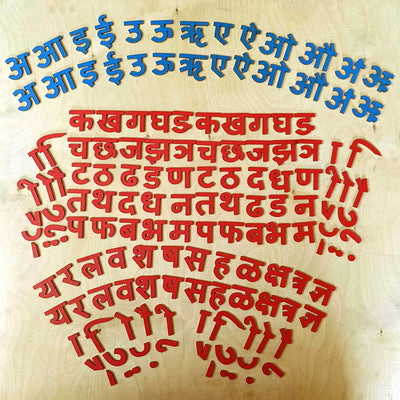
Desks in rows often imply a teacher-centric, top-down instruction model, where all students receive the same information at the same time. It can also foster a sense of competition rather than collaboration. Montessori classrooms, without fixed seating, naturally encourage children to interact, observe each other, and sometimes even work together on activities like building the Pink Tower or using the Movable Alphabet. This promotes social skills, empathy, and a sense of community, much like the shared learning experiences often found during Indian festivals or family gatherings.
Respecting the Child's Pace
Every child is unique, with their own pace of learning and preferred learning style. The absence of desks in rows allows for this individualization. One child might spend an hour meticulously polishing brass objects (a practical life activity), while another might be absorbed in counting with the golden beads. The environment adapts to the child, rather than forcing the child to adapt to a rigid structure. This respect for individual differences is what makes Montessori a truly child-centric approach to education.
Key Takeaways
- Montessori classrooms prioritize freedom of movement and choice over fixed desks.
- This approach empowers children to select their own work and workspace, fostering independence.
- Free movement is vital for physical and cognitive child development in early years.
- The design promotes deep concentration and sustained attention on chosen activities.
- It encourages collaboration and a sense of community among children.
- Parents can apply these principles at home with accessible shelves and designated work areas.
Frequently Asked Questions
Why do Montessori classrooms have small tables and chairs instead of desks?
Montessori classrooms feature small, child-sized tables and chairs (or floor mats) to align with a child's physical size and natural need for movement. This setup allows children to comfortably sit or stand as they choose their activities, promoting independence and concentration.
How does removing desks improve child development?
Removing desks enhances child development by fostering freedom of movement, which is crucial for physical and cognitive growth. It encourages active engagement with materials, improves gross and fine motor skills, and supports the development of sustained concentration and problem-solving abilities.
Can I create a Montessori environment without desks in a small Indian home?
Absolutely! Even in a small Indian home, you can create a Montessori-inspired environment by using low, open shelves for Montessori learning activities, providing a small child-sized table or designated mat, and ensuring materials are accessible. Focus on decluttering and creating specific, inviting 'work zones' for your child's exploration.
What are the benefits of a Montessori classroom's layout for concentration?
The open layout of a Montessori classroom, free from traditional desks in rows, significantly boosts concentration. Children are not distracted by facing others' backs or the teacher's central position; instead, their focus is directed towards the materials they've chosen, leading to deeper engagement and longer periods of sustained attention.
Understanding the thoughtful design behind Montessori classrooms, especially the absence of traditional desks, reveals a profound respect for the child's innate potential. At SkilloToys.com, we believe in empowering Indian parents with the knowledge and tools to nurture this potential. Explore our range of high-quality educational toys and materials that support this journey of independence and discovery for your little ones.