Zoology & Animal Lessons for Montessori Homeschoolers
As parents in India, we're always looking for enriching ways to connect our little ones with the world around them. For those embracing the Montessori approach at home, introducing zoology and animal lessons for Montessori homeschoolers can be an incredibly rewarding journey. Imagine the wonder in your child's eyes as they discover the creatures sharing our planet, right from your living room in Bengaluru or a cozy corner in a joint family home in Chennai.
Montessori zoology is a fascinating component of cosmic education, focusing on teaching children about the animal kingdom through hands-on exploration and observation. This works because it caters to the child's natural curiosity about living things, fostering a deep respect for all life forms and their interconnectedness. Parents can easily integrate these lessons into their daily routines, turning everyday moments into powerful learning opportunities for Montessori learning activities.
Bringing the Wild Home: Why Zoology Matters for Child Development
Introducing children to the animal kingdom through Montessori zoology nurtures a profound sense of wonder and respect for nature. It's more than just learning names; it's about understanding life cycles, habitats, and the unique characteristics of different creatures. For Indian families, where reverence for nature is often deeply ingrained in culture and festivals, zoology lessons become a beautiful extension of these values, connecting children to our rich heritage.
These lessons also play a crucial role in language development and cognitive growth. As children identify animals, learn their classifications, and discuss their features, they expand their vocabulary and develop critical thinking skills. This holistic approach supports strong child development in India, preparing them to be observant and empathetic global citizens.
Hands-On Animal Exploration for Little Learners
The Montessori method thrives on tangible experiences, and zoology is no exception. Start with realistic animal figures, not cartoonish ones, to help your child form accurate mental images. You can create simple habitats using materials found at home – a blue cloth for water, some twigs for a forest, or sand for a desert – and let your child sort animals into their respective environments. This practical activity enhances understanding of biodiversity and geography.
One of the most engaging ways to teach animal parts and characteristics is through Montessori animal puzzles. These beautifully crafted puzzles, often depicting a specific animal like a horse or a fish, allow children to take apart and reassemble the animal, learning the names of its different body parts. This direct interaction makes abstract concepts concrete and memorable, making them ideal educational toys for toddlers and preschoolers alike.
Observing Our Local Animal Friends
You don't need a trip to a faraway jungle to start animal lessons. India's vibrant biodiversity offers countless opportunities right outside our doors, even in urban apartments. Encourage your child to observe birds on the balcony, notice the intricate patterns of a ladybug in the garden, or watch the busy ants marching across the floor. Discuss their movements, sounds, and what they might be eating.
Simple nature walks in a local park or even a bustling street can reveal fascinating insights into the lives of common animals. Point out stray dogs and cats, discuss how they find food, and emphasize gentle interaction. This direct observation cultivates a deep connection to the natural world, reinforcing the principles of Montessori at home India.
Classification Fun: Grouping the Animal Kingdom
A core part of Montessori zoology is classification, which helps children organize information logically. Introduce the main groups of animals: mammals, birds, fish, reptiles, and amphibians. You can use picture cards or animal figures for sorting activities. For instance, ask your child to group all the animals that fly, or those that live in water, or those that have fur.
As they grow, introduce more specific concepts like vertebrates and invertebrates. Nomenclature cards, which pair an image with its name and a brief description, are excellent tools for this. They not only build vocabulary but also provide a visual reference for understanding the characteristics that define each animal group. These hands-on materials empower children to become independent researchers of the animal world.
Connecting Zoology to Indian Life and Culture
Zoology lessons can be wonderfully integrated with India's rich cultural fabric. Many Indian festivals and stories feature animals prominently – think of the reverence for cows, the symbolism of peacocks, or the stories of Jataka tales and Panchatantra. Grandparents often share tales of mythical creatures and local fauna, creating a natural bridge between learning and heritage.
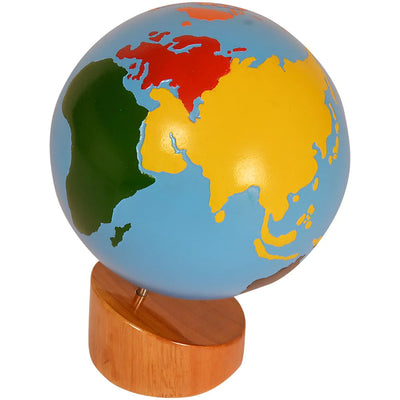
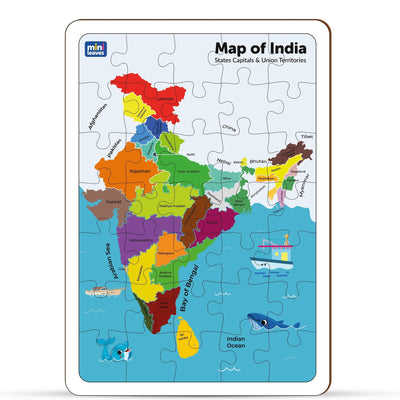
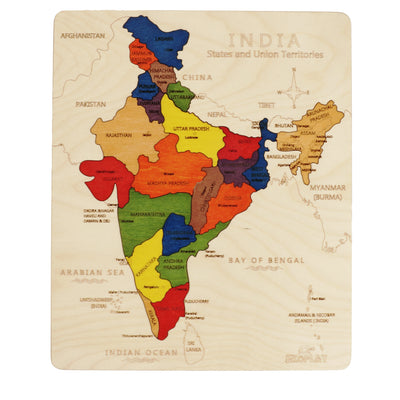
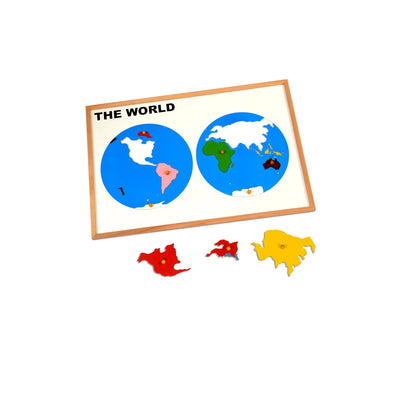
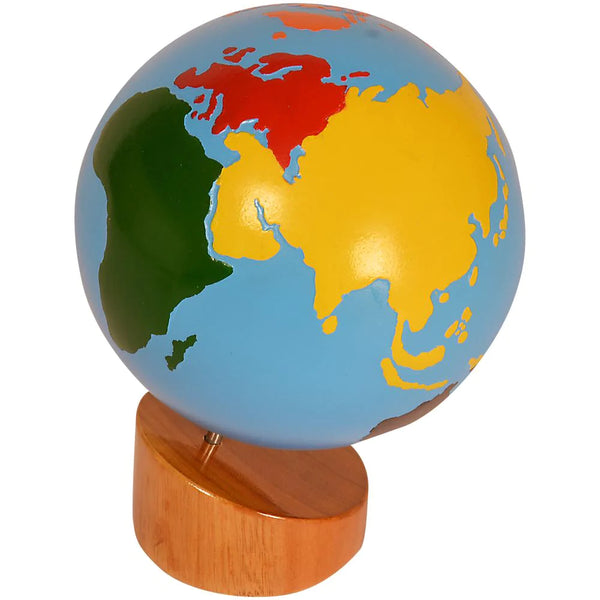
Exploring animal habitats can also naturally lead into Montessori geography materials. Discussing where different animals live – from the elephants of our Indian forests to the polar bears of the Arctic – broadens a child's understanding of the world's diverse ecosystems and cultures. This interdisciplinary approach makes learning truly holistic and relevant to their lives.
At SkilloToys.com, we believe in providing materials that inspire discovery and foster a love for learning. Exploring zoology at home not only expands your child's knowledge but also instills empathy, observation skills, and a lifelong appreciation for the incredible diversity of life on Earth.