Age-Appropriate Toys for Indian Kids: Safety & Development
Choosing age appropriate toys is not merely a recommendation; it is a critical foundation for child safety and optimal developmental progress, as unequivocally supported by child development experts globally. For Indian parents navigating a vibrant toy market, understanding these principles ensures truly smart and secure play choices that nurture their child's unique growth journey.
As Indian parents, ensuring our children’s safety and holistic development is paramount in every purchase, especially when it comes to toys. From boisterous joint families to focused nuclear households in Bengaluru, the right toy can make all the difference. This comprehensive guide from SkilloToys helps you make informed decisions, transforming playtime into a powerful learning experience while keeping safety at the forefront.
What Are Age-Appropriate Toys?
Age-appropriate toys are educational and recreational items designed to match a child's developmental stage, ensuring both safety and engagement. This matters because toys that are too complex can frustrate a child, while those that are too simple fail to stimulate growth, and crucially, ill-suited toys can pose significant safety hazards. Indian parents can proactively choose toys that align with their child's current abilities and future potential.
Why Age-Appropriateness Matters: Ensuring Child Safety
Child development experts agree that toy safety is intrinsically linked to a child's age and abilities. Studies from paediatric associations indicate that choking on small toy parts remains a leading cause of accidental injury among infants and toddlers worldwide, a risk that is significantly higher with toys not meant for their age group. In bustling Indian homes, where toys might inadvertently move between older and younger siblings, this risk is amplified.
Moreover, toys designed for older children might have sharp edges, intricate mechanisms, or small, removable components that are hazardous for curious little hands and mouths. Ensuring toy safety by age means meticulously checking for these potential dangers, particularly with items like marbles, small balls, or pieces that can fit through a choke tube. Research shows that adherence to age guidelines drastically reduces such preventable incidents, making playtime genuinely safe.
Fostering Growth: Developmental Milestones & Montessori Principles
Beyond safety, developmental toys for kids are essential for nurturing cognitive, physical, social, and emotional growth. Maria Montessori, the pioneer of the Montessori method, firmly believed that children learn best through self-directed play with purpose-driven materials. These materials, when age-appropriate, naturally align with a child's intrinsic drive to explore and master new skills.
For instance, a toddler mastering a knobbed cylinder puzzle is not just playing; they are refining their fine motor skills, developing problem-solving abilities, and enhancing concentration – all key Montessori tenets. SkilloToys embraces this philosophy, offering educational resources that respect a child's natural pace of development. Choosing Montessori toys by age means providing tools that empower a child to learn independently and joyfully.
Navigating Choices: A SkilloToys Guide to Toys by Age
Understanding the developmental stages helps parents select the best toys by age that challenge without overwhelming. Weaving in the context of thoughtful, sustainable toys, SkilloToys helps you find high-quality, 'Made-In-India' options that support your child's journey.
0-12 Months: Sensory Exploration & Basic Motor Skills
Infants are tiny scientists, exploring the world primarily through their senses and developing fundamental motor skills. Toys during this period should focus on sensory stimulation and encouraging movement like reaching and grasping. Always ensure these toys are large, lightweight, and free from any small parts that could become choking hazards in their mouth-exploring phase.
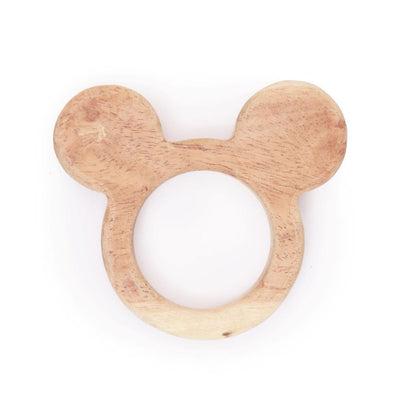
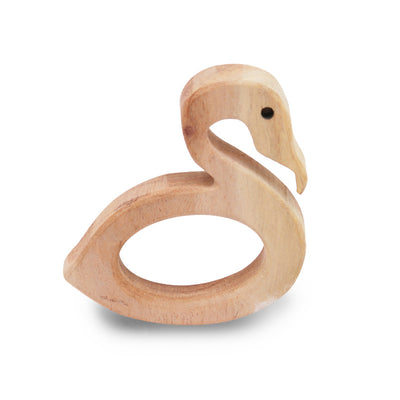
Recommended Montessori-aligned age appropriate toys include soft rattles, grasping toys, tummy time mirrors, and mobiles designed for visual tracking. Look for natural materials like polished wood or organic cotton. These simple yet effective tools aid in building neck strength, hand-eye coordination, and early cognitive connections.
1-3 Years: Practical Life & Language Development
Toddlers are bursting with energy, developing walking, talking, and fine motor skills rapidly. They thrive on practical life activities and language-rich environments. Toys should encourage independence, imitation, and simple problem-solving, moving towards more complex manipulation and exploration.
Consider items like stacking blocks, shape sorters, simple puzzles with large knobs, and sturdy push-pull toys. Activity kits focusing on pouring, scooping, or dressing frames are fantastic for practical life skills. As children start identifying everyday objects or sounds, introduce simple animal figures or musical instruments to encourage language development and rhythmic exploration.
3-6 Years: Concentration, Coordination & Social Skills
Preschoolers and early school-goers are refining their concentration, coordination, and beginning to engage in imaginative and social play. They are ready for toys that support pre-reading, pre-writing, and basic mathematical concepts. Safety checks for small parts remain important, especially as they might still mouth objects when deeply focused.
Excellent Montessori-aligned options include the Pink Tower, Sandpaper Letters for tactile learning of alphabets, geometric shape puzzles, and role-play sets that reflect daily Indian life. Constructive play with building blocks and magnetic tiles also promotes spatial reasoning. These educational toys are available in our broader Montessori method learning materials collection, designed to engage young minds deeply.
6+ Years: Advanced Concepts & Collaborative Play
Children aged six and above are capable of more complex thought, abstract reasoning, and collaborative play. Their toys should challenge their logic, foster creativity, and support academic learning in engaging ways. This age group also benefits from toys that introduce cultural concepts or scientific principles.
Think about advanced building sets, intricate board games that teach strategy and patience, geography puzzles, or science experiment kits. Encouraging hobbies with craft supplies or coding games can also be beneficial. Look for toys that promote critical thinking and allow for group interaction, fostering social skills essential for school life.
Beyond Age Labels: The Importance of Child Observation
While age recommendations provide invaluable guidance, they are not rigid rules. Every child is unique, developing at their own pace, and showing individual interests. Maria Montessori firmly believed in following the child, advocating for careful observation to understand what truly engages and challenges them.
A child might be ready for certain skills earlier or later than typical age guidelines suggest. Observing your child's focus, frustration levels, and engagement with a toy will tell you more about its appropriateness than any label. Grandparents and family members, often keen observers in Indian households, can also provide valuable insights into a child's preferences and readiness, helping you make the most informed decisions.
Why are age labels on toys important for Indian parents?
Age labels on toys are crucial as they indicate safety precautions and developmental suitability. They help parents avoid choking hazards for younger children and ensure the toy matches a child's cognitive and physical abilities, which is vital in diverse Indian households with multiple age groups.
How do I know if a toy is safe for my toddler?
To ensure a toy is safe for your toddler, check for small parts that can fit into a choke tube, sharp edges, toxic materials, or loose components. Always read the manufacturer's age recommendation and choose durable, non-toxic options, preferably from reputable brands known for safety standards like many 'Made-in-India' options.
Can older children's toys be given to younger siblings?
Hand-me-down toys from older siblings to younger ones must be carefully vetted for safety. Toys designed for older children often contain small parts, intricate mechanisms, or magnets that pose significant choking or injury risks to toddlers and infants. Always prioritise the younger child's safety and developmental stage.
What if my child shows interest in toys outside their age range?
While age ranges are guides, a child's individual readiness and interest are paramount. If a child shows interest in a more advanced toy, supervise their play closely to ensure safety and provide appropriate support. If they struggle or become frustrated, it indicates the toy might not yet be developmentally appropriate.
Are Montessori toys strictly for specific ages?
Montessori toys are designed to align with specific developmental planes, making them inherently age-appropriate for fostering particular skills. While there are recommended age ranges for materials like the Pink Tower or Sandpaper Letters, the emphasis is on a child's individual readiness and interest, rather than strict age adherence.
Where can I find reliable developmental toys for kids in India?
Reliable developmental toys for kids in India can be found at specialised educational toy stores like SkilloToys, which curate products based on Montessori principles and safety standards. Look for brands that are transparent about their materials and manufacturing processes, prioritising quality and child-safe certifications.
- Choosing age-appropriate toys is fundamental for ensuring a child's safety and supporting their developmental progress.
- Toy safety by age is critical; small parts in toys designed for older children pose significant choking hazards to infants and toddlers.
- Developmental toys for kids, especially those inspired by Montessori principles, provide optimal stimulation for cognitive, motor, and socio-emotional growth.
- Age recommendations are vital guides, but a child's individual interest and readiness should always be prioritised over strict age labels.
- Indian parents benefit from seeking out quality, 'Made-in-India' brands that adhere to high safety and sustainability standards.
- Regular observation of your child's engagement and skill level is the most accurate way to determine a toy's true appropriateness.
Making smart choices about age appropriate toys empowers your child to explore, learn, and grow safely and joyfully. At SkilloToys, we are committed to providing Bengaluru's parents with the knowledge and products to make every playtime count. By understanding these principles, you ensure your child's journey is supported with the very best, safest, and most enriching tools available.